
Herbed Oil Bliss: Crafting Homemade Bread Dips Easily
There is a simple pleasure in dipping warm bread into fragrant herbed oil. This ritual elevates a meal with minimal effort and maximum flavor, using fresh herbs and a quality oil base.
- Fast prep: ready in 10 minutes, flavors deepen with time.
- Customizable: swap herbs or heat level to match your menu.
- Versatile: use as a dip, finishing oil, or marinade.
Why Herbed Oil Works
Infusing oil extracts volatile aroma compounds from herbs and aromatics, creating concentrated flavor that coats bread evenly. The technique leverages simple chemistry: fat carries flavor molecules, enhancing taste perception on the palate.
Choosing the right oil and herb balance matters. Use high-quality oil for a clean backbone and fresh herbs for bright aromatic notes to create a layered, balanced dip.
Prep and Cook Time
Preparation: about 10 minutes to assemble ingredients and jar them. Short active time keeps the oils fresh and the herbs vibrant.
Infusion time: allow 24 to 48 hours for fuller flavor development; you gain depth without complex technique. Total time ranges from one day to two days depending on how intense you want the aroma.
Yield and Difficulty
This recipe yields approximately one cup of infused oil, sufficient for 6–8 people as a bread dip. The yield scales linearly: double ingredients for larger gatherings.
Difficulty is low. The process is mostly hands-off once herbs and oil are combined, making it suitable for beginners and experienced cooks who want quick wins with gourmet results.
Ingredients
Use simple, clean ingredients to let the aromatics shine. Key components include a quality oil base, fresh herbs, and light seasoning.
Core ingredients listed below will produce a classic Mediterranean-style herbed oil suitable for bread dipping and finishing dishes.
- 1 cup extra virgin olive oil (choose a robust, fruity variety for depth) — see olive oil for grading and characteristics.
- 3 sprigs fresh rosemary, washed and fully dried — botanical and culinary notes at rosemary.
- 3–4 fresh thyme sprigs, washed and dried.
- 3 fresh basil leaves, gently bruised for aroma — see basil to explore varieties.
- 2 cloves garlic, lightly crushed (optional) — culinary context at garlic.
- 1 tsp crushed red pepper flakes (adjust to taste).
- Sea salt and freshly ground black pepper, to taste.
Instructions
Follow clear steps to maximize aroma while minimizing safety risk. Clean, dry equipment and herbs critically influence clarity and shelf life.
Below are concise steps with sub-sections for clarity and methodical execution.
Select Your Oil
Start with cold-pressed extra virgin olive oil for its fruity complexity and stable mouthfeel. Avoid refined oils if you want pronounced olive character.
Measure one cup into a clean, dry glass jar that seals well; glass prevents off-flavors and preserves color and aroma.
Prepare Herbs and Aromatics
Wash herbs gently and pat them completely dry. Any residual water encourages cloudiness and shortens storage life.
Bruise basil leaves and lightly crush garlic to release essential oils. Keep large sprigs intact for easier straining later.
Infuse and Store
Combine oil, herbs, garlic, and red pepper in the jar. Seal tightly and store in a cool, dark place for 24–48 hours depending on desired intensity.
For a warmer, faster infusion, briefly heat the oil and aromatics to 120–130°F (49–56°C) for 10 minutes off direct flame, then cool before sealing. Avoid higher heat to prevent burnt flavors.
Strain and Bottle
After infusion, strain through a fine sieve or cheesecloth into a clean container. Remove all solids for clarity and safer storage.
Transfer to a dark glass bottle for serving; reserve a fresh rosemary sprig for garnish if desired. Label with date and ingredients for tracking.
Tips for Success
Small technique choices yield big flavor returns. Control moisture, choose quality oil, and taste as you go to get the balance right.
Experiment with ratios: more rosemary yields pine-like notes, while basil brightens the top notes. Adjust salt and heat incrementally rather than all at once.
Fresh herbs provide the cleanest aromatics; dried herbs work at half the volume but give a different, slower-building flavor profile. For a mild profile, steep dried herbs at room temperature overnight.
Storage and Food Safety
Proper storage prevents spoilage and ensures consistent quality. Keep infused oils sealed away from light and heat to preserve volatile aromas and reduce oxidation.
Consume homemade infused oils within two weeks when solids remain in the jar; if fully strained and refrigerated, they can last longer but should be brought to room temperature before serving.
Serving Suggestions
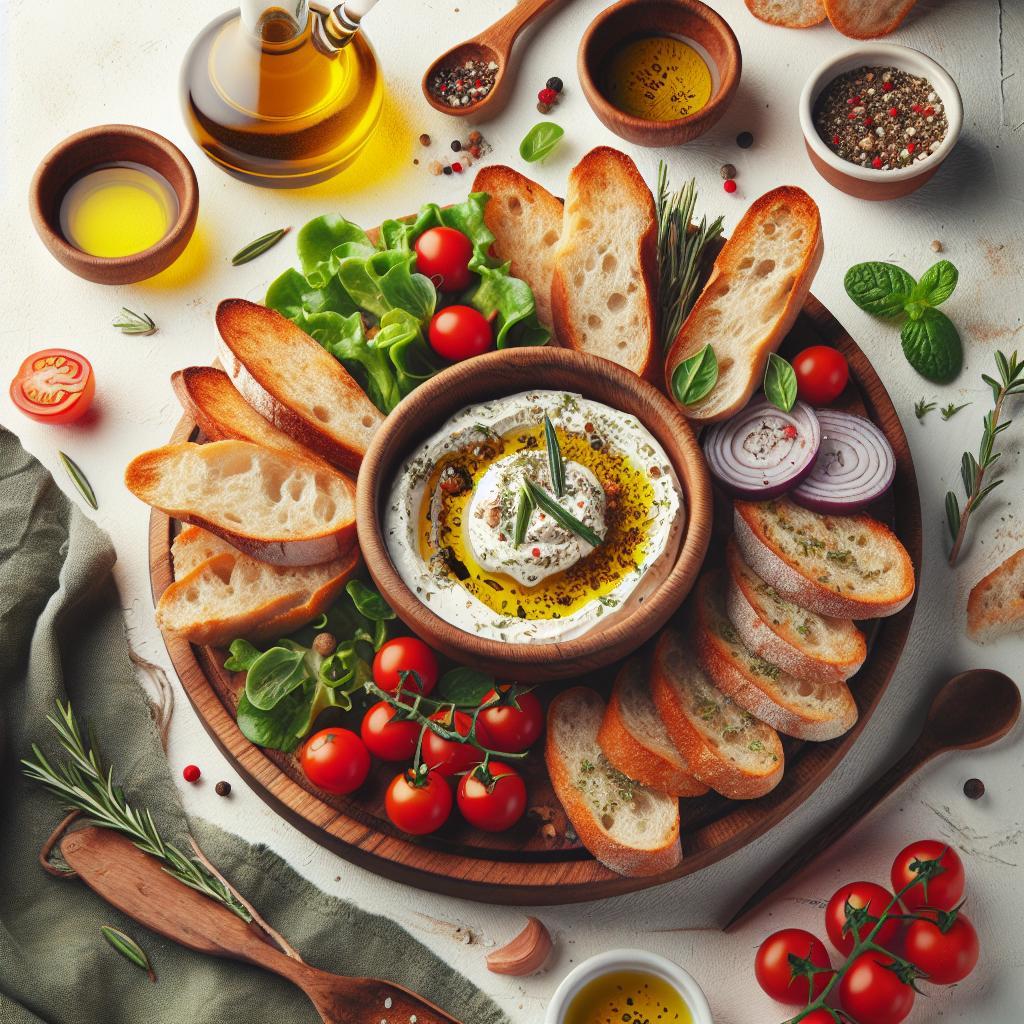
Serve the herbed oil warm or room temperature as a dip with rustic breads such as ciabatta or sourdough. A shallow, wide dish helps present the oil attractively and allows bread to soak evenly.
Use the oil as a finishing drizzle over grilled vegetables, salads, or fresh mozzarella and tomato for an elevated touch. Pair with a coarse sea salt and cracked pepper garnish to highlight the flavors.
Nutrition Snapshot
Oils are calorie-dense; a single tablespoon contains roughly 120 kcal and provides healthy monounsaturated fats when using olive oil. Use modest portions to benefit flavor without excess calories.
The table below gives a quick reference per tablespoon to help with portion control when serving at gatherings.
| Nutrient | Per 1 Tbsp |
|---|---|
| Calories | 120 kcal |
| Protein | 0 g |
| Carbohydrates | 0 g |
| Fat | 14 g |
Q&A
The following answers address common execution and pairing questions that help you get consistent results. Short, practical answers make it easy to act on the advice.
Use these as quick reference points when prepping or prior to serving to guests.
Q1: What makes extra virgin olive oil the preferred base?
Extra virgin olive oil delivers a robust, fruity backbone that complements herbs without overpowering them. Its natural antioxidants help preserve aroma compounds during short infusions.
Q2: How long should I infuse for the best flavor?
Allow 24–48 hours at room temperature for a clear aromatic lift. Short infusions (6–12 hours) yield lighter notes, while 48 hours intensifies the herb profile without needing heat.
Q3: Can I add garlic directly to the oil?
You can, but take safety precautions: fully strain solids and refrigerate if garlic was present. Alternatively, roast garlic first to reduce risk and add sweet, mellow depth safely.
Q4: What breads pair best with herbed oil?
Rustic, chewy breads such as ciabatta, baguette, and sourdough soak up oil well and provide textural contrast. Warm the bread slightly to amplify aroma and mouthfeel.
Q5: Can I reuse herbs for a second infusion?
Herbs lose much of their volatile oils after one infusion and will produce a weaker second batch. For efficiency, save them for cooked dishes rather than another direct oil infusion.
Wrapping Up
Herbed oil is an elegant, low-effort addition to any kitchen repertoire. With controlled technique and quality ingredients, you can produce consistently bright, aromatic dips that improve with modest time investment.
Practice small variations to discover your preferred herb-to-oil balance, and keep safety in mind when storing herb- or garlic-infused oils. The result rewards both casual meals and special occasions.
See also: herbed oil