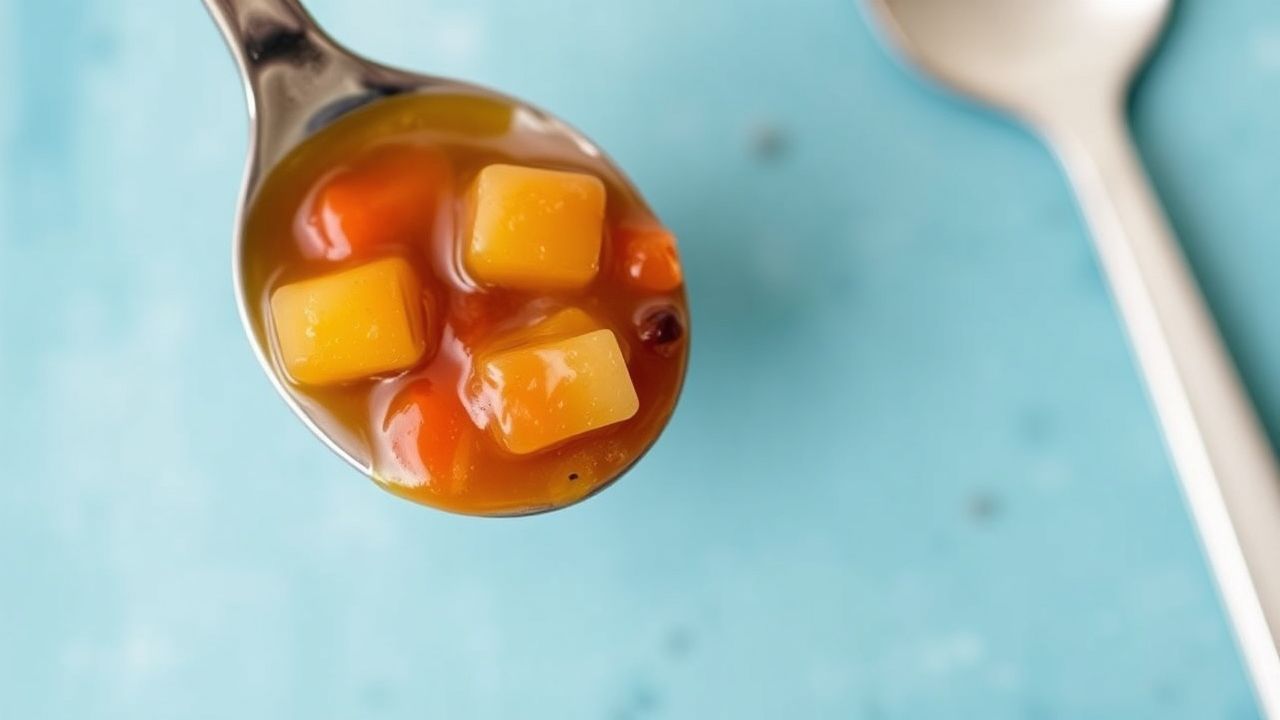

Thicken relish quickly by controlling water, choosing the right binder, and finishing with temperature. A watery relish loses cling and texture; the following methods restore body while keeping bright flavor.
- Drain before cooking: remove free liquid to shorten cook time and protect crunch.
- Match thickener to acidity: choose starches, seeds, or pectin for the acid level you use.
- Reduce gently: slow evaporation concentrates flavor and firms texture without turning veg to mush.
- Chill to finish: many relishes set as they cool, increasing cling and gloss.
Choosing the Right Ingredients
Choose firm produce first when you want to thicken relish with minimal added binders. Firm vegetables release less intracellular water when chopped, preserving texture.
Pick vegetables with structural flesh such as bell peppers and onions to add natural body. Understanding produce helps reduce reliance on thickeners and shortens cook time.
When appropriate, remove seeds and membranes; seeds and soft cores contain much of the free liquid. For botanical background on common choices like cucumber see cucumber.
Balance high-water items with denser components to limit dilution of flavor and texture. This balance gives you more control when you choose a thickening strategy.
Prep and Cook Time
Precise prep shortens total time and prevents overcooking, which can make a relish watery. For many stovetop relishes plan 15 minutes prep and 20–30 minutes gentle cooking.
Drain or salt-sweat high-water veg before they hit the pan to reduce evaporation time. This measure protects crunch while still letting you concentrate flavor by reduction.
Cook gently to evaporate free water but avoid hard boiling; simmering concentrates taste and develops body without collapsing cell structure. The final texture tightens as the relish cools.
For quick batches, test a 10-minute reduction after sautéing to see if you reach the desired cling. If not, continue in 3–5 minute increments while stirring to avoid hotspots.
Yield and Difficulty
This method yields about 2 cups (8 servings) and rates easy-to-medium depending on how precise you are with drainage and heat. Consistent dice and controlled heat are the main variables.
Using the right tools—fine mesh sieve, medium saucepan, spatula—reduces trial-and-error. Proper tools deliver consistent texture and speed up troubleshooting when a batch runs thin.
Adjust yields and time based on moisture in your produce; drier ingredients require less reduction and less thickener. Keep a thermometer or visual cues to stop before the mix becomes pasty.
Store in clean, airtight jars and refrigerate; acid and sugar extend shelf life modestly. For safety and flavor, label jars with date and tasting notes.
Ingredients
Below is a practical ingredient list that prioritizes low-water vegetables and dependable thickeners to help you thicken relish without losing bright notes. Quantities are flexible by taste and yield.
- 2 cups finely chopped cucumbers, seeds removed for less moisture
- 1 cup diced red bell pepper, firm and fresh
- 1/2 cup finely chopped onion, preferably sweet
- 1/4 cup apple cider vinegar for tang and preservation; see vinegar for acidity basics
- 2 tablespoons maple syrup or honey for balanced sweetness
- 3 tablespoons cornstarch dissolved in 1/4 cup cold water as a starch option — more on technique below and see cornstarch
- 1 teaspoon mustard seeds for aromatic crunch
- Salt, pepper, olive oil, fresh herbs to taste
If you avoid processed starches, consider arrowroot, tapioca, or ground seeds. For seed thickeners and how they gel, review the properties of chia.
Choose thickeners based on acidity, temperature handling, and mouthfeel you want to preserve. Each thickener behaves differently with heat, time, and acid; test small batches.
Instructions to Thicken Relish
1. Prepare vegetables: Remove seeds where possible and dice uniformly to keep texture consistent. Salt-sweat or press chopped veg in a sieve for 10–15 minutes to extract free liquid.
2. Sauté aromatics: Heat oil and toast mustard seeds, then add onions and sweat gently until translucent. Keep heat modest to avoid extracting excess water quickly.
3. Combine main ingredients: Add cucumbers and peppers and cook briefly to soften slightly and release remaining free water. Simmer with vinegar, sweetener, tomato paste (optional), salt, and pepper for 3–5 minutes.
4. Thicken: Whisk your cold slurry and stream it into the simmering relish while stirring. Heat only until the mixture glosses and coats a spoon; excess heating breaks starch gels.
5. Finish and chill: Taste and correct seasoning. Let the relish cool to room temperature, then refrigerate; chilling firms body and improves cling.
If the relish ends up too thin after chilling, return to low heat and reduce further, or add a small, measured increment of thickener. If too thick, loosen with a tablespoon of water or vinegar.
Use the shortest effective cook time for starch gelatinization, and remember that gelatinized starch firms as it cools. This means finishing thickness is often slightly higher after refrigeration.
Alternate Thickeners and When to Use Them
Chia, ground flax, arrowroot, and pectin each create a different mouthfeel when you want to thicken relish. Choose based on texture goals and storage conditions.
Chia and flax hydrate into a gel that keeps raw crunch intact and works cold; pectin sets with sugar and acid and is ideal for jam-like relishes. For quick gloss and short-term heat, starches work best.
Arrowroot and tapioca often tolerate acid better than cornstarch and can produce a clearer, silkier finish. Test each thickener at your relish’s final acid and sugar level before scaling up.
A small experiment: make three 1/4-cup test batches with cornstarch, chia, and arrowroot to compare gel, shine, and mouthfeel. This hands-on approach teaches how each binder changes your signature relish.
Tips for Success
Always start by extracting free water: salt-press or use a fine sieve to draw moisture before cooking. Removing free liquid shortens cook time and preserves crispness in the finished relish.
Stir frequently during reduction to prevent hotspots and to produce even thickening across the pot. Use visual cues: the mixture should coat a spoon with a glossy film when ready.
Adjust seasoning after thickening; binders can mute flavor so final acid, salt, and sweet adjustments are normal. Taste at serving temperature and after chilling to account for changes in perception.
For service and transport, keep thick relish in shallow containers to cool quickly and maintain consistent texture across jars. Label jars with date and chosen thickener for future reference.
Serving Suggestions
A properly thickened relish clings to burgers, grilled meats, and cheese without making plates soggy. Thick texture delivers predictable distribution and a pleasing mouthfeel.
For party service, present relish in shallow bowls with small spoons to let guests take measured portions. Garnish with chopped dill or parsley and a light drizzle of olive oil to enhance gloss and aroma.
See variations and related recipes on our site: Relish Thickening and browse other condiments at CookHarvest Recipes.
Cold relish firms further, which helps it sit attractively on platters and prevents migration into crackers or bread. Plan portion sizes so relishes serve their role without overpowering the main dish.
Nutritional Notes
This relish is low in calories and fat but supplies fiber from vegetables and seeds if used. Using chia or flax increases fiber and omega-3 content compared with starch-based thickeners.
Starches contribute digestible carbohydrates; label accordingly if sharing jars. Adjust salt and sugar to match dietary needs and shelf-life targets without sacrificing texture.
Per 2-tablespoon serving estimated values: about 25 calories, 0.5 g protein, 6 g carbohydrates, and minimal fat. These are estimates and vary with chosen thickener and sweetener.
Preserve acidity and proper refrigeration to keep the relish safe; higher acid and sugar levels modestly extend shelf life. Always discard jars with off-odors or visible mold.
FAQ
Why does my relish become watery after chopping?
Cell rupture from chopping releases intracellular water, increasing free liquid. Fine chopping multiplies surface area and accelerates drainage.
Remove seeds, lightly salt and drain, or press ingredients in a sieve before cooking to capture this free liquid and reduce the risk of a watery final product.
Which thickener keeps a bright, fresh flavor?
Seed thickeners like chia and ground flax preserve acidity and fresh aromatics because they thicken via hydration rather than heat-induced gelatinization. This helps retain bright notes.
Starches add sheen but can mute freshness when overused; test in small batches and taste frequently to preserve the profile you want.
Can I thicken relish without heating?
Yes. Hydrated chia or commercial pectin can thicken cold relishes, preserving raw crunch and aroma. Use recommended ratios—usually 1–2 teaspoons chia per cup for a light gel.
Cold-setting methods suit uncooked relishes and quick pickles where you want the freshest flavor and minimal texture loss from heat.
Why does cornstarch sometimes fail to thicken?
Cornstarch must be dispersed in cold liquid and heated to gelatinize; undercooking leaves it thin and overcooking breaks the starch gel. High acid and prolonged storage also weaken its effect.
Do a small test batch when using high-vinegar relishes, and consider arrowroot for clearer, more acid-tolerant results when necessary.
How long will thickened relish keep in the fridge?
Most vinegar-based relishes remain good for up to two weeks refrigerated in clean, airtight jars. Sugar and salt levels affect microbial stability and should be adjusted for desired shelf life.
Always check for off-odors, changed color, or visible mold; discard if any signs of spoilage appear. Label and date jars to track freshness.
Final Notes
To reliably thicken relish, combine intentional ingredient choices, moisture control, and the right binder. Drain, reduce, and finish thoughtfully for repeatable results.
Experiment in small batches to see how each vegetable and thickener behaves with your acidity and sweetness. This tactile learning makes future batches faster and more consistent.
See also: Relish Thickening
Recommended Reading:
- Tiny Tastes: Crafting Small Batches of Homemade Chutney
- Taming Sweet Chutney: Savory Fixes for Sugar Overload
- Turn Leftover Veggies Into Zesty Homemade Relish Magic