
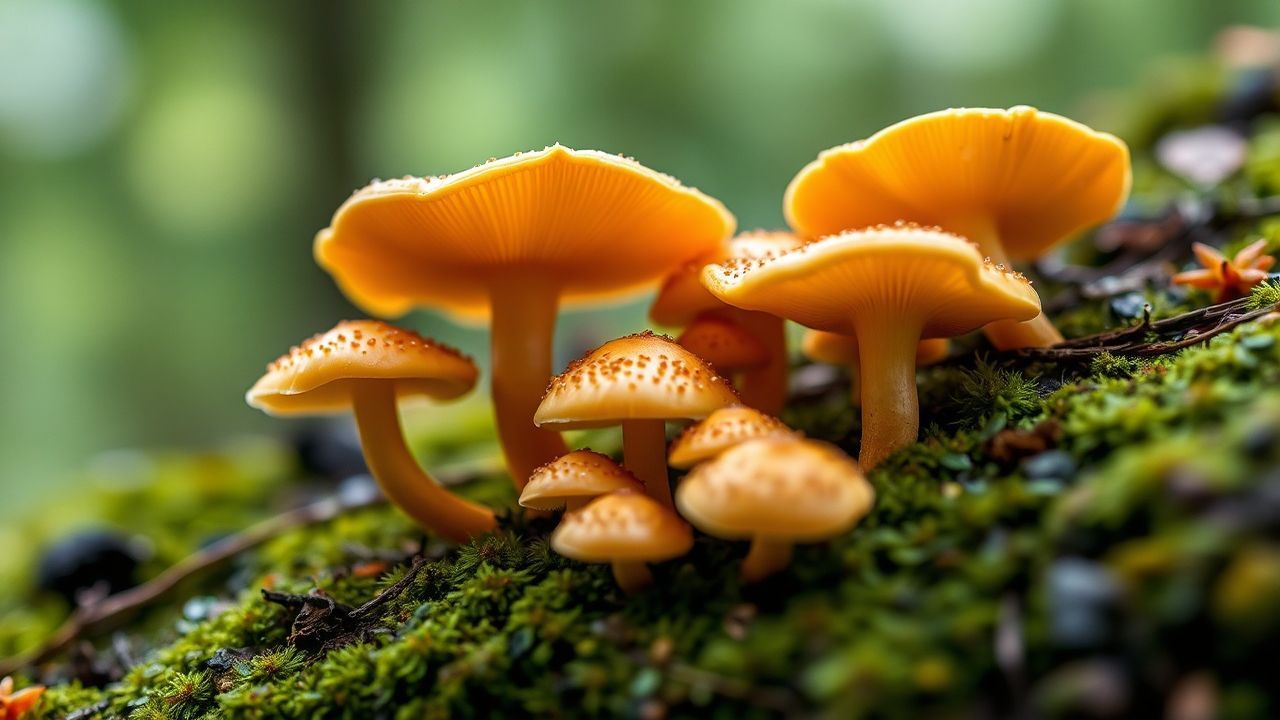

Hunting Hidden Gold: Where Chanterelles Thrive After Rain
Beneath the forest canopy, chanterelles—the golden jewels of the woodland—appear after rain. Their apricot scent and rich color reward a practiced eye and a patient forager.
- Moisture Magic: Understanding Chanterelle Growth After Rain
- Seasonal and Weather Clues for Foraging Triumph
- Practical Placements: Where to Look After the Rain
- Expert Tips for Ethical Harvesting and Long-Lasting Freshness
- Recipe: Sautéed Chanterelles with Garlic and Thyme
- Nutrition & Serving Suggestions
- Future Outlook for Foragers
- FAQ
- Find chanterelles in mossy, well-drained soils under hardwoods.
- Time your hunt 1–3 days after gentle rain when the ground is moist but not waterlogged.
- Harvest ethically by cutting stems and leaving mycelium undisturbed to ensure returns next season.
- Preserve simply—dry or freeze sautéed chanterelles for long-term use.
Moisture Magic: Understanding Chanterelle Growth After Rain
Chanterelles fruit when conditions trigger their reproductive cycle. Rain raises humidity and soil moisture, signaling the mycelial network to produce visible fruiting bodies.
These fungi form mycorrhizal partnerships with tree roots and rely on stable moisture gradients rather than standing water. For background on the fungal network that supports this process, see mycelium.
Soil, Drainage and Microhabitats
Chanterelles prefer well-drained soils with an organic layer of leaf litter and moss. Excessive saturation suppresses oxygen in the litter layer and delays fruiting, so look for damp but not soggy ground.
Microhabitats such as south-facing slopes, shaded gullies, and hummocks retain the balance of humidity and airflow that chanterelles need. These small variations often determine where patches appear after a rainfall.
Seasonal and Weather Clues for Foraging Triumph
Chanterelle season generally peaks in late summer through early fall in temperate zones, though local climate shifts this window. Warm, humid spells followed by light rain create prime fruiting conditions.
Monitor short-term weather: a string of warm days, gentle showers, and cool nights will prompt a flush of fruiting bodies. Use regional weather patterns to plan excursions rather than relying on a single rainfall.
Regional Hotspots and Species Notes
Some regions are naturally richer in chanterelles due to climate, soil, and vegetation. The Pacific Northwest, parts of Europe, and selected Canadian forests produce consistent yields when conditions align.
For taxonomic context and species variation, consult resources on the genus Cantharellus. Different species adapt to local tree partners and soil chemistries.
Practical Placements: Where to Look After the Rain
Focus searches under hardwoods—oaks, beeches, birches—that form strong mycorrhizal ties with chanterelles. Inspect mossy patches, rotten stumps, and intact leaf litter where moisture lingers overnight.
Check transitional zones where forest opens to glades; these edges hold diverse microclimates and often host scattered chanterelle patches. Avoid overly disturbed or compacted soil where mycelium may be damaged.
Signs to Scout For
Search for subtle gold tones through the green, small depressions in the litter that hold moisture, and clusters around tree bases. Fresh chanterelles often show plump, tapered stems and decurrent ridges on the cap underside.
Smell matters: a faint fruity, apricot-like aroma commonly accompanies true chanterelles. If the scent is absent or the gills look forked and paper-thin, pause and cross-check with identification resources.
Expert Tips for Ethical Harvesting and Long-Lasting Freshness
Harvest like a steward: cut mushrooms at the base with a sharp knife, leaving root mycelium intact. This preserves the fungal network and allows the site to produce again.
Avoid over-harvesting in any single patch. Spread collection, and leave smaller specimens to mature. These steps maintain population stability across seasons.
Preservation Methods
For immediate use, sauté chanterelles in butter or olive oil to concentrate flavor, then cool and freeze. For long-term storage, dry on fine mesh racks in low heat or use a dehydrator until brittle.
Pack dried chanterelles in airtight containers with desiccant packets to prevent rehydration. Label jars with date and approximate location to refine future foraging trips.
Recipe: Sautéed Chanterelles with Garlic and Thyme
Simple cooking highlights chanterelles’ natural sweetness and texture. This method keeps preparation short and flavor bright.
Use a hot skillet, a mix of butter and oil, and minimal aromatics to let the mushroom shine. Finish with lemon zest or parsley for balance.
Ingredients
- 1 lb fresh chanterelle mushrooms, cleaned and roughly chopped
- 3 tbsp unsalted butter and 1 tbsp olive oil
- 2 garlic cloves, minced
- 1 sprig fresh thyme
- Salt and freshly ground black pepper, to taste
- 1 tsp lemon zest and 1 tbsp chopped parsley (optional)
Instructions
- Heat oil and butter in a large skillet over medium heat until butter foams.
- Add garlic and thyme; sauté 30–60 seconds until fragrant but not browned.
- Raise heat to medium-high and add chanterelles in a single layer. Sear undisturbed 2–3 minutes, then stir.
- Sauté 8–10 minutes until mushrooms are golden and juices evaporate. Season and finish with lemon zest and parsley.
Nutrition & Serving Suggestions
Chanterelles offer modest calories and a pleasant umami profile that elevates simple dishes. Pair them with toasted bread, polenta, or roasted proteins for contrast.
For more context on safe foraging and public lands guidance, reference materials on mushroom foraging can increase confidence and reduce risk. For regional guidance on mushroom hunting, consult background like mushroom hunting.
| Nutrient | Amount per Serving |
|---|---|
| Calories | 120 |
| Protein | 3 g |
| Carbohydrates | 5 g |
| Fat | 10 g |
Future Outlook for Foragers
As climates shift, local microclimates will dictate chanterelle productivity more than calendar dates. Learning specific forest patches and tree partnerships returns better results than following a regional season alone.
Documenting finds and sharing notes with a trusted foraging community helps build collective knowledge and supports sustainable practices. For tree partnerships and forest ecology, read more about oak associations.
FAQ
Q: What makes chanterelles the “gold” of the forest?
A: Chanterelles earn that name for their golden color and culinary value. Their fruity aroma and firm texture make them prized by chefs and home cooks alike.
Q: How soon after rain should I hunt for chanterelles?
A: The prime window is typically 1–3 days after light to moderate rain. Search when the litter stays moist but not saturated; that balance triggers the most reliable flushes.
Q: Where do chanterelles like to hide?
A: Look under hardwoods, in moss beds, and around decaying roots or stumps. Edge habitats and shaded gullies often hold steady moisture and are productive zones.
Q: How do I tell chanterelles from toxic look-alikes?
A: True chanterelles have a trumpet shape, forked ridges (false gills) that run down the stem, and a fruity scent. When uncertain, cross-check with local field guides and experts.
Q: Can I improve my success across seasons?
A: Yes. Keep a simple field log of locations, tree species, slope aspect, and the number of days after rain you found mushrooms. This data builds a reliable seasonal map for returns.
See also: Chanterelles