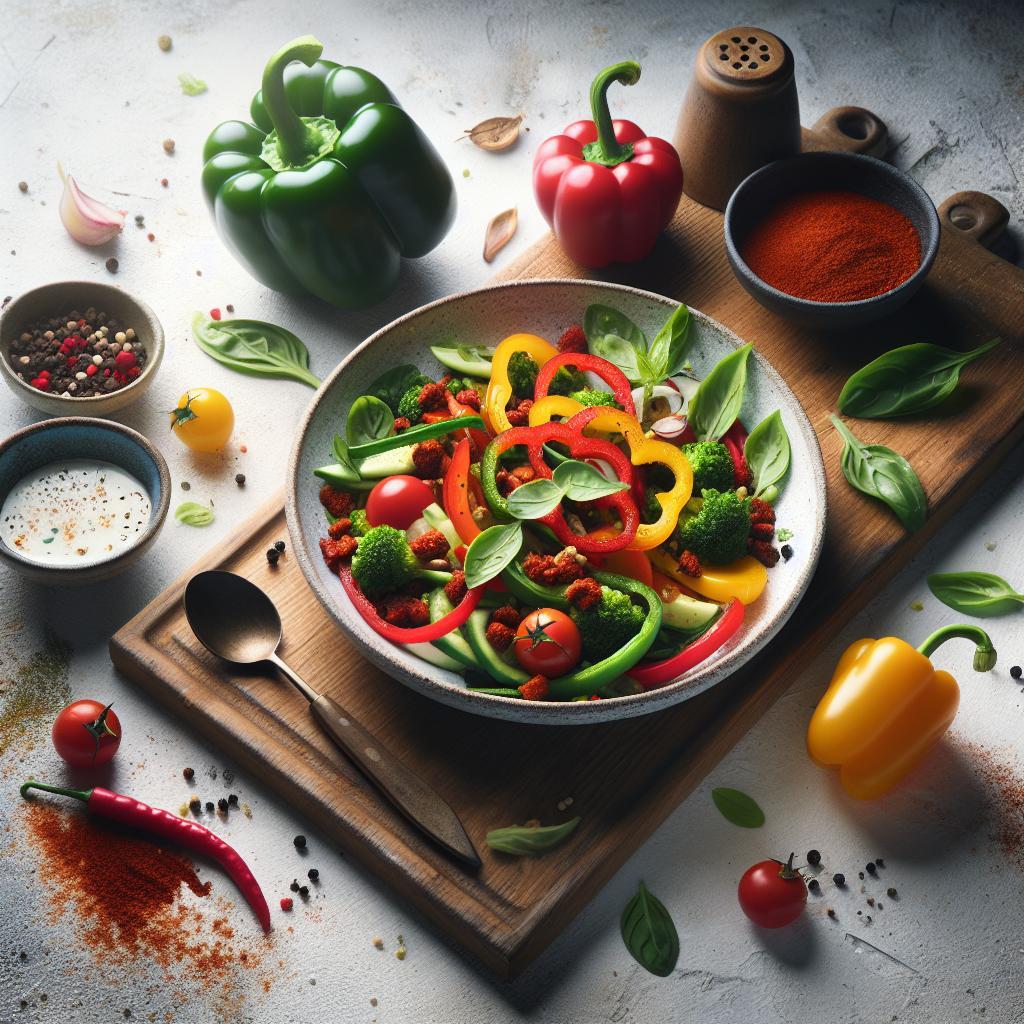

Bright, flavorful, and packed with vibrant crunch, paprika can elevate ordinary dishes into memorable plates. When paprika fades, recipes lose color and aroma quickly.
- Choose deep-red, aromatic paprika to maximize shelf life and flavor.
- Store in airtight, opaque containers away from light, heat, and moisture.
- Portion and vacuum-seal for long-term freshness without repeated exposure.
- Replace within recommended windows to keep dishes vibrant and aromatic.
Choosing the Right Paprika for Longevity
Selection matters. Quality paprika starts with variety and processing. Opt for freshly ground powders with deep red color and a clear, sweet or smoky aroma.
Look past packaging claims and examine color and scent. Varieties such as Hungarian sweet and Spanish smoked differ in oil content and pigments, which influence how they age.
Varieties and what they tell you
Hungarian and Spanish paprikas come from the same species but differ by cultivar and smoke exposure. These differences affect volatile oils that carry aroma and degrade over time.
Learn more about the pepper family to understand origin and flavor profiles: Paprika and Capsicum provide background on varieties and chemistry.
Packaging indicators
A sealed lid, vacuum pack, or nitrogen-flushed tub often signals better initial protection. Avoid dusty, pale containers which usually mean age or poor processing.
Packaging that blocks light and oxygen preserves pigments called carotenoids and the volatile oils that produce aroma. These compounds decline when exposed to air and heat.
Ideal Storage Conditions to Preserve Flavor and Color
To preserve color and aroma, control four enemies: light, air, heat, and moisture. Each one accelerates breakdown of flavorful oils and pigments.
Store paprika in a consistently cool, dark, and dry spot such as a pantry shelf away from ovens or sunlight. Keep temperature swings to a minimum to slow degradation.
Light and temperature
Light bleaches pigments and heat speeds chemical reactions that remove aroma. Even brief exposure to strong light will fade color faster than you expect.
Use opaque containers or store jars behind pantry doors. A constant temperature near typical room temperature (18–22°C / 64–72°F) preserves oils better than warm cabinet locations.
Humidity and moisture control
Moisture causes clumping and invites mold. Keep lids tight and avoid scooping with wet utensils.
For humid climates, add a food-safe desiccant or keep paprika in a sealed container inside a secondary dry container to reduce risk of moisture ingress. See food preservation basics at Food drying.
Creative Containers That Extend Shelf Life
Beyond basic jars, choose containers that block light and limit air exchange. Opaque stainless steel tins, ceramic jars, or tinted glass jars work well.
Seal quality matters more than material. A tight grommet or rubber gasket combined with a well-fitting lid prevents repeated oxygen exposure during use.
Vacuum sealing and portioning
Vacuum packing small portions reduces oxidation and preserves volatile oils longer. If you buy in bulk, portion into 25–50 g packets for regular use.
For long-term storage, vacuum packing plus a cool, dark environment yields the best retention. For technical background on the method, consult Vacuum packing.
Practical container picks
Choose containers with nonreactive interiors. Stainless steel and glazed ceramic remain odor-free and stable over time. Use tinted glass if you prefer to see contents but still need light protection.
Label each container with the opening date. Rotate jars using a first-in, first-out approach to ensure older spice is used first and freshness stays high.
Signs Your Paprika Has Lost Freshness and When to Replace
Color, aroma, and flavor give the quickest clues. Dull orange or brick tones and a weak smell mean diminished oils and pigments.
Taste a small pinch. If it lacks sweetness, smokiness, or has a flat/biting note, replace the jar. Note that ground paprika never becomes unsafe quickly but will lose culinary value.
Shelf life guidelines
Unopened, properly stored paprika can remain usable for 2–3 years. Once opened, expect peak quality for about 6–12 months under good conditions.
Whole dried pods often retain aroma longer than ground powders. Use ground paprika sooner for best color and flavor. See the culinary role of spices at Spice.
Texture and contamination checks
Clumping signals moisture. Visible mold or sour smells indicate spoilage or contamination and require disposal of the product and inspection of storage methods.
If you see moisture, discard the jar and sanitize storage containers before refilling. Never taste questionable spice to check safety.
Prep, Setup, and Instructions
Prep Time: 5 minutes. These steps take minimal time but pay dividends in flavor.
Yield: Ideal for maintaining 50–100 g paprika jars and multiple portion packs for frequent cooks.
Ingredients for storage setup
- 1 airtight, opaque container (stainless steel, ceramic, or tinted glass)
- Vacuum sealer or small airtight pouches (optional for portioning)
- Cool, dark storage space away from heat and humidity
Step-by-step instructions
- Inspect your paprika: Choose jars with deep red hue and a pronounced aroma.
- Transfer immediately: Move contents into an airtight, opaque container to block light and air.
- Portion if desired: Divide into smaller packs to avoid repeated exposure.
- Store properly: Place jars in a cool, dark location away from stoves and bright windows.
- Label: Add purchase or opening date to track age.
- Check periodically: Assess color and smell every few months and replace when weak.
Chef’s Notes and Practical Tips
Small habits preserve aroma. Scoop with a dry spoon, avoid placing spice near strong-smelling items, and rotate stock regularly.
Toast paprika briefly in a dry pan to revive oils and amplify aroma before adding to a dish. Do this carefully; paprika burns fast and turns bitter.
- Avoid freezing unless sealed perfectly; condensation on thawing undermines quality.
- Use a dry spoon or spatula to prevent moisture contamination.
- Keep away from strong odors; paprika readily absorbs foreign smells.
- Experiment with types; Hungarian, Spanish, and smoked varieties offer distinct profiles.
- Pre-mix blends ahead and store in small airtight jars for convenience.
Serving Suggestions
Well-stored paprika keeps its vibrant red color and smoky-sweet flavor, ideal for finishing dishes. Use a light dusting on deviled eggs, roasted vegetables, or creamy potatoes to add color and depth.
For grilled meats and stews, add paprika early to bloom its oils, or sprinkle at the end for visual appeal. Stored correctly, the spice delivers consistent results across recipes.

| Storage Method | Approximate Shelf Life | Flavor Retention |
|---|---|---|
| Original packaging, closed | Up to 2 years | Moderate |
| Airtight opaque jar (opened) | 6–12 months | High |
| Vacuum sealed portions | 1.5+ years | Very high |
Final Notes
Preserving paprika is both a practical routine and a small culinary discipline. Simple changes to storage and handling keep color and aroma where they belong—on the plate.
Store smart, label jars, and refresh your spice shelf when aroma fades. The result: brighter dishes and more reliable flavor in every recipe.
FAQ
Q: How long does opened paprika stay fresh?
A: Opened ground paprika retains peak flavor for about 6–12 months when stored airtight and away from light. After that, it will not spoil quickly but will lose potency.
Q: Can refrigeration help preserve paprika?
A: Refrigeration slows flavor loss in humid climates only if the spice is sealed airtight to avoid moisture. Warm the sealed jar to room temperature before opening to prevent condensation.
Q: Is vacuum-sealing worth it for home cooks?
A: Yes. Vacuum-sealing small portions reduces oxygen exposure and extends usable life significantly, especially for bulk purchases or infrequent cooks.
Q: Can I revive stale paprika?
A: You cannot fully restore lost compounds, but a brief dry-toast in a warm pan can release remaining oils and temporarily boost aroma. Use caution to prevent burning.
Q: Should I buy whole pods instead of ground paprika?
A: Whole pods maintain aroma longer and allow you to grind fresh when needed. Grinding just before use captures maximum volatile oils and color for peak flavor delivery.
See also: Paprika