
There is something almost universal about a bowl of pasta that wins over children quickly. A well-made pasta sauce turns a plain meal into a comforting, familiar plate that still delivers nutrients.
- Keep flavors mild: children respond to simple, recognizable tastes.
- Blend vegetables: you can boost nutrition without changing the flavor profile.
- Texture matters: smooth, creamy sauces drive acceptance among picky eaters.
- Small rituals help: fun shapes and simple garnishes increase enthusiasm at the table.
Choosing the Perfect Ingredients for Kid-Approved Flavors
Start with a naturally sweet tomato base to anchor the sauce. Fresh Roma tomatoes or a low-sodium canned variety work well because they yield a milder acid profile and a straightforward tomato flavor that kids prefer.
Pair tomatoes with mild aromatics like gently sautéed onions and minimal garlic. For reference on tomato nutrition and varieties, consult tomato basics on Wikipedia, which summarizes common types and culinary uses.
Choose a light extra-virgin olive oil to avoid bitter notes that sometimes turn kids off. Also consider a small amount of plain yogurt or a splash of milk near the end to smooth acidity and add body.
Use fresh herbs sparingly to add color and a gentle lift. Basil is a classic choice that brightens the sauce without overwhelming young palates; see the herb profile at basil on Wikipedia for varieties and flavor notes.
Simple Techniques to Create Smooth and Creamy Sauces
Sauté aromatics gently. Heat the oil to medium, then cook finely chopped onions and minced garlic until translucent rather than browned. This step extracts sweetness and keeps the flavor approachable for kids.
After simmering the tomato base with any grated vegetables, use an immersion blender for a consistent, velvety texture. A smooth mouthfeel increases acceptance among younger eaters and makes spoon-feeding easier for toddlers.
For creaminess without heavy cream, stir in a spoonful of plain Greek-style yogurt or a small amount of strained yogurt at low heat. For background on cultured dairy and texture, the Wikipedia article on yogurt offers useful context.
Finally, always taste and adjust near the end. A pinch of salt, a touch of honey to balance acidity, or a small splash of pasta water can complete the sauce and tie flavors to the cooked pasta.
Tips for Sneaking in Veggies Without Sacrificing Taste
Grate or finely chop carrots and zucchini so they cook quickly and contribute sweetness. Sauté these with the onions so they collapse into the sauce and meld with the tomato base.
Leafy greens like spinach wilt down and blend easily when pureed into the finished sauce. Butternut squash or cauliflower purees add body and a subtle sweetness that kids rarely detect.
For more concentrated flavor, roast vegetables first; then blend them into the sauce. Roasting caramelizes natural sugars and reduces any vegetal bitterness that might be off-putting.
Avoid large chunks for very young eaters. Instead, puree or pass the cooked sauce through a coarse mesh if you want to remove fibers and ensure a silky finish.
Quick and Fun Variations to Keep Little Ones Excited
Rotate colors and textures to keep meals interesting. Add pumpkin or butternut puree in autumn, or blend in roasted red pepper for a sweet, mild twist that still reads as familiar tomato sauce.
Mix in a small amount of grated Parmesan or a melting cheese for a creamy, cheesy version that usually rates highly with kids. You can also offer a cheese topping separately so children choose the amount they like.
Use fun-shaped pastas to elevate the plate visually. Shapes such as bow ties, wheels, or small shells trap sauce and create a sensory win that supports acceptance.
For an adventurous but safe spice, add a tiny pinch of cinnamon to a pumpkin-tomato blend. The warmth enhances sweetness without adding heat.
Prep and Cook Time
Preparation: 10 minutes. Keep prep simple by using a grater and a sharp knife for quick work.
Cooking: 25 minutes. A gentle simmer concentrates flavor while keeping the sauce bright and fresh.
Yield
This recipe yields approximately 4 kid-sized servings, with room for seconds if appetites run big. You can double or halve the batch easily.
Portion control works well with small containers or by freezing in ice cube trays for single-meal portions later.
Difficulty Level
Easy. The steps favor basic techniques: sauté, simmer, and blend. New cooks can follow along step by step.
The recipe suits busy weeknights and beginner cooks who prefer predictable, forgiving processes.
Ingredients
4 cups chopped Roma tomatoes (or 1 can 28 oz no-salt-added diced tomatoes)
1 small onion, finely chopped; 2 cloves garlic, minced; 1 medium carrot, grated; 1 small zucchini, grated;
2 tbsp light extra-virgin olive oil; 1/4 cup fresh basil leaves, chopped; 1/2 cup plain yogurt (optional); salt and pepper to taste; 1 tsp honey or maple syrup (optional).
Instructions
1. Heat olive oil in a large saucepan over medium heat. Add onions and garlic and sauté until soft and translucent, about 4–6 minutes.
2. Add grated carrot and zucchini. Cook 2–3 minutes until they begin to soften and release natural sugars.
3. Stir in tomatoes, bring to a gentle simmer, then reduce heat to low. Cook uncovered 15–20 minutes, stirring occasionally, until the sauce thickens slightly.
4. Remove from heat and use an immersion blender to puree to the desired smoothness. For chunkier texture, pulse briefly.
5. Return to low heat. Stir in basil, honey (if using), and a small pinch of salt and pepper. Heat for 1–2 minutes more until fragrant.
6. Off heat, whisk in yogurt for added creaminess. Adjust seasoning and serve warm over pasta.
Chef’s Notes: Tips for Success
Make ahead: the sauce refrigerates for up to 3 days and freezes well for up to 3 months. Portion in individual containers for fast reheats.
Allergy substitutes: use coconut yogurt for dairy-free needs or omit dairy entirely and rely on pureed vegetables for richness.
Flavor boost: a splash of low-sodium soy sauce or a teaspoon of nutritional yeast can add umami without strong flavor shifts. Adjust gradually and taste as you go.
Consistency tip: if the sauce thickens too much after cooling, loosen with reserved pasta water or low-sodium vegetable stock to reach the right texture for young mouths.
Serving Suggestions
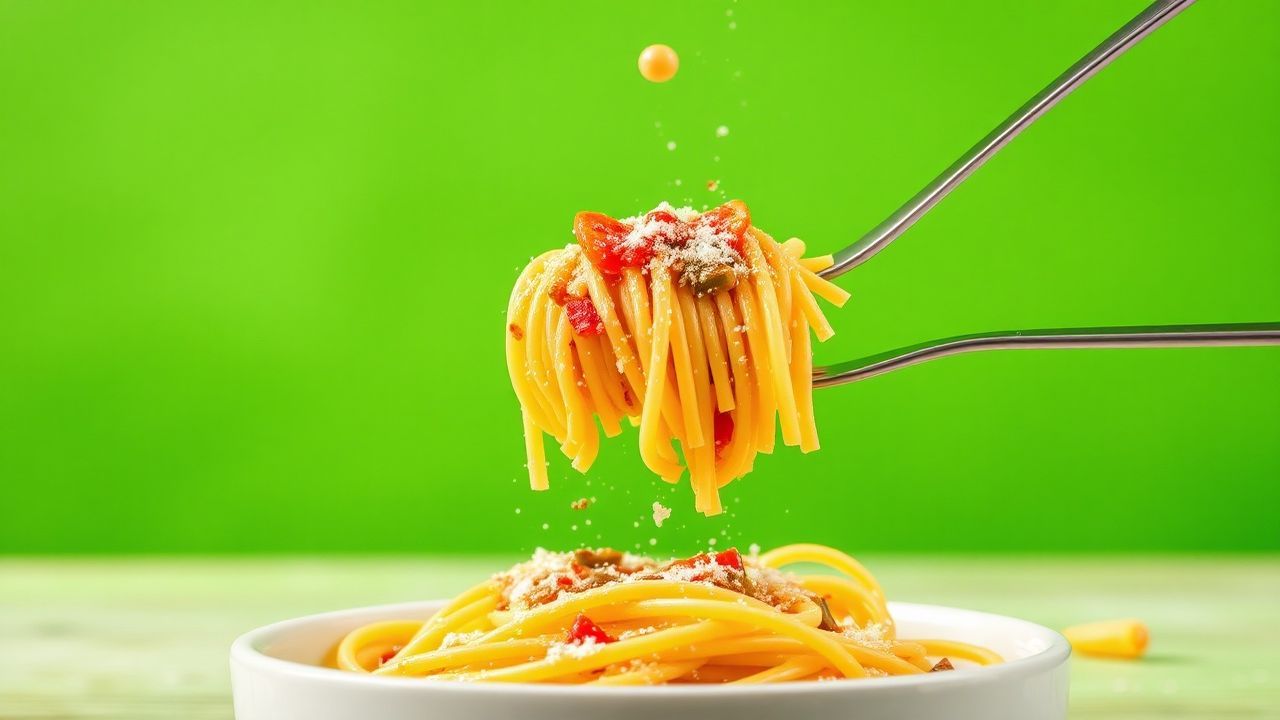
Toss sauce with fun-shaped pasta to increase engagement. Add a light sprinkle of Parmesan or a few small basil leaves for color and contrast without overwhelming the plate.
Serve with garlic breadsticks and a side of raw veggie sticks or fruit slices to round out the meal. For protein, offer mini turkey or chicken meatballs on the side for selective eaters.
For more ideas on complementary dishes and family-friendly pairings, see our internal guides on Easy Homemade Pasta Recipes and Kid-Friendly Meal Plans.
Nutritional Snapshot
The estimated per-serving profile (without optional yogurt or cheese) is approximately:
| Nutrient | Per Serving |
|---|---|
| Calories | ~120 kcal |
| Protein | 3 g |
| Carbohydrates | 20 g |
| Fat | 5 g |
Individual values vary with ingredient choices, such as full-fat dairy, added cheese, or different pasta types.
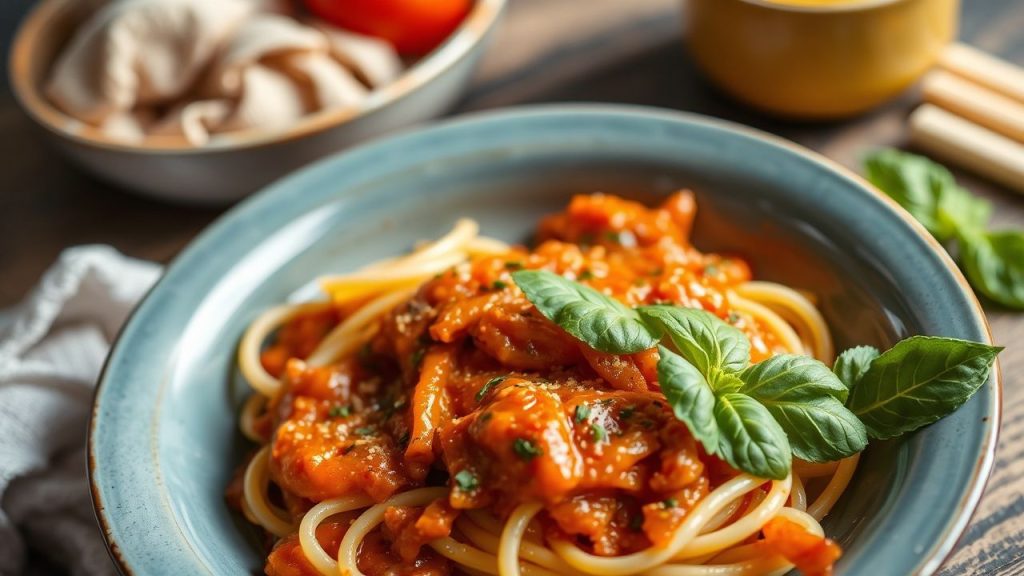
Serving Image
FAQ
What makes a pasta sauce kid-friendly?
A kid-friendly sauce uses mild flavors, smooth texture, and familiar ingredients like tomatoes and mild herbs. It minimizes strong spices and balances acidity carefully.
Can I make a quick homemade sauce on weeknights?
Yes. With canned tomatoes, quick-sautéed aromatics, and a short simmer, you can make a tasty sauce in 20–25 minutes that still tastes fresh.
How do I reduce acidity in tomato-based sauces?
Balance acidity with a small pinch of sugar or a grated carrot. Adding a bit of dairy or a splash of neutral liquid like pasta water also mellows sharpness.
What are safe ways to add vegetables for picky eaters?
Grate or puree vegetables and cook them into the sauce base. This preserves nutrients while keeping texture smooth and flavors familiar.
How should I store homemade sauce?
Cool quickly and store in airtight containers. Keep refrigerated up to 3 days or freeze portions for up to 3 months for quick reheats.
For background reading on pasta and traditional preparations, see pasta varieties and uses on Wikipedia. These references help when selecting shapes to match sauce consistency.
Finally, for scientific context on why children prefer certain textures and flavors, the entry on flavor perception provides a concise overview of taste drivers in children and adults.
Use these straightforward methods and small experiments to build a reliable rotation of kid-approved sauces. Over time, you can nudge preferences toward more variety without turning dinner into a negotiation.
See also: pasta sauce