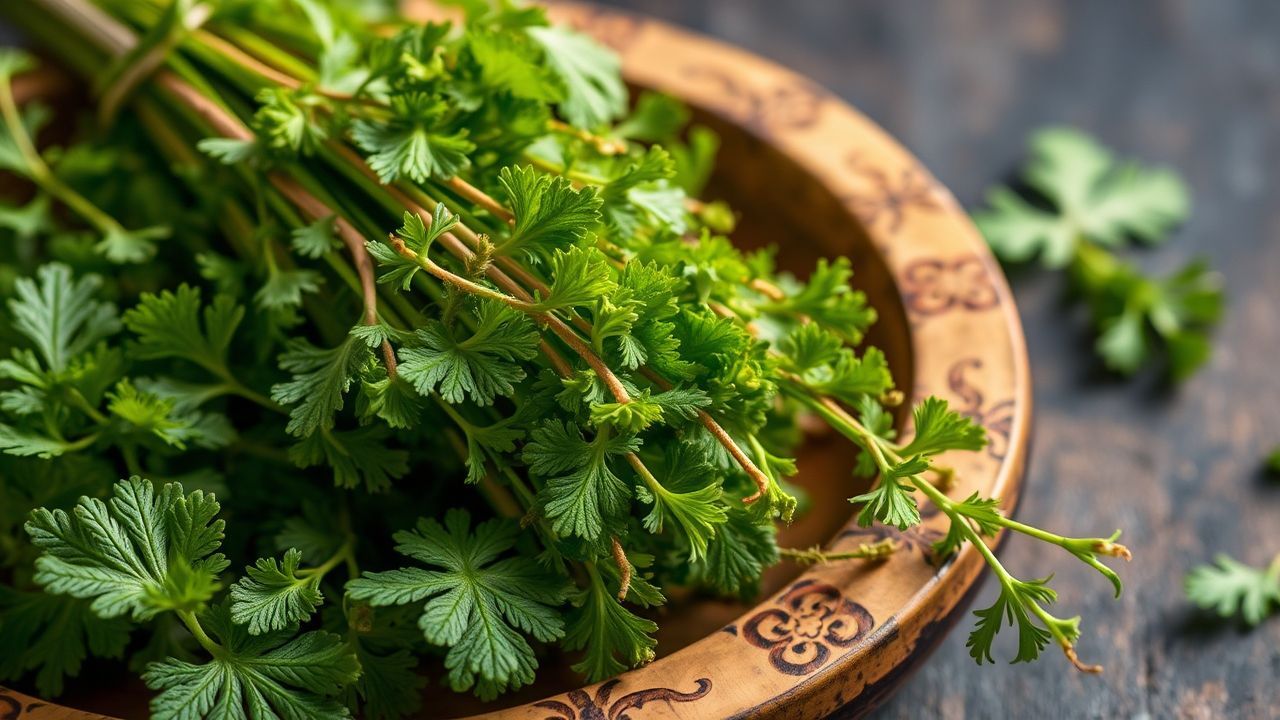

Lamb’s Quarters appears in Indian kitchens as a modest wild green that delivers deep flavor and reliable nutrition. Farmers and home cooks prize it for its texture, fast cooking time, and ability to pair with bold Indian spices.
- Versatile: Works in parathas, dals, sabzis, and raitas.
- Nutrient-dense: High in vitamins A, C, calcium, and iron.
- Fast to prepare: Ready in under 35 minutes for weeknight meals.
- Foraging-friendly: Grows widely as Chenopodium album in many regions.
Nutritional Powerhouse Behind Lamb’s Quarters
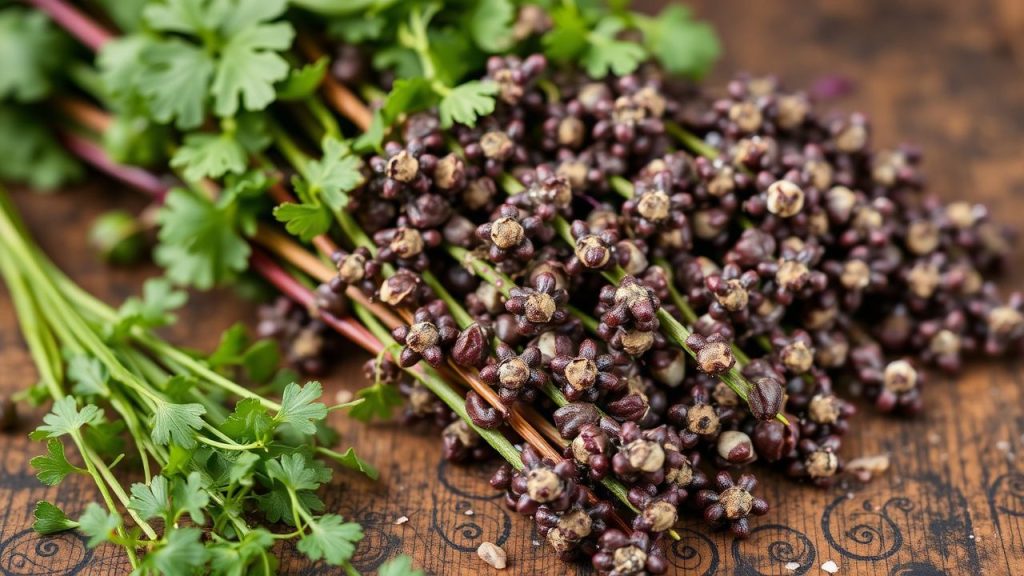
Lamb’s Quarters is botanically known as Chenopodium album. The leaves provide concentrated micronutrients that support daily dietary needs when eaten regularly. Many traditional kitchens use it as a leafy-vegetable substitute because it cooks quickly and yields reliable texture.
Culinary practice and nutrient profiles align here: the green supplies vitamin A and C, calcium, and iron while remaining low in calories. Chefs and nutritionists treat it like other leaf vegetables, balancing its natural bitterness with acid and fat to improve flavor and absorption.
Ingredients & Recipe Details
This recipe focuses on a simple stir-fried Lamb’s Quarters sabzi that fits into regular Indian meal rotation. Quantities suit a family of four; scale easily for smaller servings or batch cooking.
Use the following as a base, and adjust spice levels and oil type to match dietary needs or regional preferences. Substitute ghee for oil where a richer mouthfeel is desired.
Prep and Cook Time
Preparation: 15 minutes. Rapid prep makes this ideal for weeknights. Wash and chop the leaves, and prepare aromatics before heating the pan.
Cooking: 20 minutes. Most of this time is active sautéing; leaves wilt and release moisture quickly. Total time: roughly 35 minutes.
Yield
Serves 4 as a side dish. This portion pairs well with 2–3 other mains for a balanced thali-style meal.
Difficulty Level
Easy. The technique relies on basic tempering and sautéing; no specialty equipment required. Good for both novice cooks and experienced home chefs.
Ingredients
- 2 cups fresh Lamb’s Quarters, washed and chopped
- 1 tbsp vegetable oil or ghee
- 1 tsp mustard seeds
- 1 tsp cumin seeds
- 1 medium onion, finely chopped
- 2 garlic cloves, minced
- 1 green chili, slit (optional)
- 1/2 tsp turmeric powder
- 1 tsp coriander powder
- 1/2 tsp garam masala
- Salt to taste
- 1 tbsp lemon juice
Instructions
- Heat oil or ghee in a heavy-bottomed skillet over medium heat. Add mustard and cumin seeds; allow seeds to pop to release aroma, about one minute.
- Sauté onion until soft and lightly golden, about five minutes, stirring to prevent sticking. This step builds the dish’s base flavors.
- Add garlic and green chili, and cook until fragrant for another two minutes. Use a lower heat if garlic browns too quickly.
- Stir in turmeric, coriander, and garam masala to bloom the spices; coat the aromatics evenly. Proper toasting increases depth without added heat.
- Add chopped Lamb’s Quarters and mix thoroughly so the leaves meet the spiced oil. The green will shed moisture and shrink rapidly.
- Cook, stirring frequently for 10–12 minutes, until leaves are tender and flavors meld. Adjust salt while cooking for a balanced finish.
- Finish with a splash of lemon juice to brighten the dish and lift any lingering bitterness. Remove from heat and let rest two minutes before serving.
Practical Tips for Success
Picking leaves: Choose young, tender Lamb’s Quarters for a sweeter, less bitter profile. Older leaves can develop coarse texture and stronger bitterness that may need blanching.
Cleaning: Rinse leaves thoroughly under cold running water and consider a short soak to remove grit. Wild greens often carry residual soil from fields or roadside growth.
If you want a creamier finish, fold in plain yogurt at the end off the heat, or add a small sprinkle of freshly grated coconut for regional flair. These additions tame any lingering astringency and add mouth-coating texture.
Serving Suggestions and Pairings
Serve this Lamb’s Quarters sabzi with whole-wheat roti, steamed basmati rice, or as a side in a multi-dish meal. The green’s flavor supports hearty dals and mild vegetable curries alike.
Garnish with fresh cilantro and a lemon wedge. Pair with cooling raita or a tangy pickle to build contrast that helps the palate reset between bites.
Storage, Variations, and Substitutions
Store cooked Lamb’s Quarters in an airtight container in the refrigerator for up to three days. Reheat gently to avoid over-cooking the leaves, which will turn mushy with aggressive heat.
Substitute Lamb’s Quarters for spinach, fenugreek (methi), or other leafy greens when the texture and flavor match your recipe goals. Allow for slight bitterness and adjust acids or fats accordingly.
Regional and modern variations
In northern Indian cooking, cooks mix Lamb’s Quarters into flatbread dough to make stuffed parathas. Elsewhere, it blends into lentils for added body and micronutrients.
For a contemporary twist, sauté the leaves with garlic and finish with toasted nuts to add crunch and a contrasting flavor layer. This technique links traditional spice profiles with modern texture play.
Why cooks value Lamb’s Quarters: culinary and cultural notes
Lamb’s Quarters carries cultural weight as much as flavor. In many rural kitchens, it symbolizes practical use of seasonal abundance and frugality in feeding families economically.
Its role mirrors other edible greens common in regional cooking traditions. For context on edible leafy vegetables and their place in cuisine, see Leaf vegetable.
Traditional health systems reference Lamb’s Quarters in dietary practice. For perspective on holistic dietary systems that mention cooling or digestive-supporting foods, consult Ayurveda.
Nutrition Snapshot
The table below gives a simple per-serving profile for the prepared side dish. Values vary by oil choice and portion size, so use this as a baseline rather than a lab result.
| Nutrient | Per Serving |
|---|---|
| Calories | 85 kcal |
| Protein | 4 g |
| Carbohydrates | 10 g |
| Fat | 4 g |
Insights and Conclusions
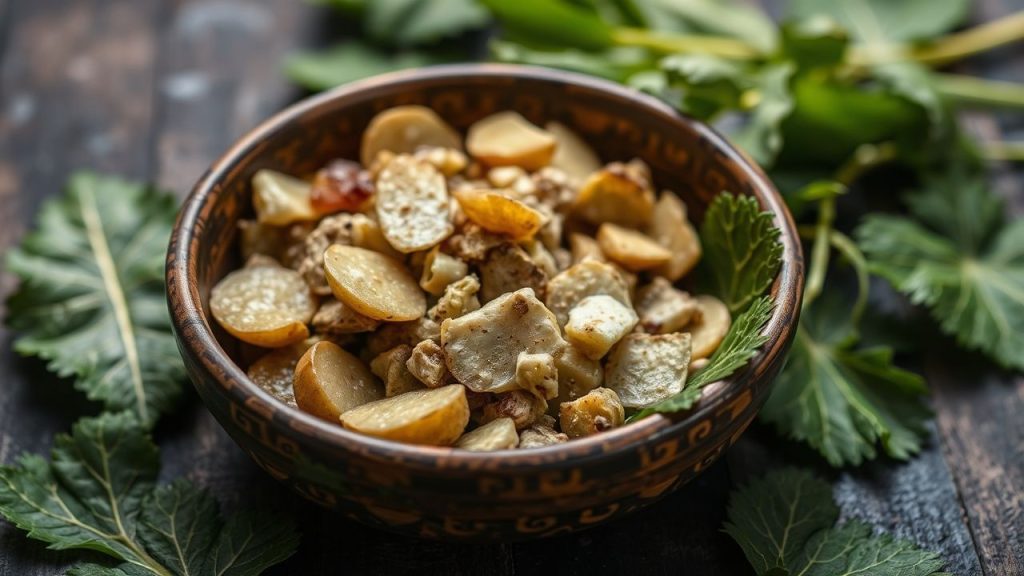
Lamb’s Quarters offers a low-cost way to boost micronutrient density in everyday Indian meals. With minimal technique—tempering, sautéing, finishing with acid—you get a balanced, flavorful side.
Across regions, the green adapts to local spice palettes and meal formats. Home cooks who learn its handling gain a flexible ingredient that appears in many simple, satisfying preparations.
FAQ
What is Lamb’s Quarters and where does it grow?
Lamb’s Quarters is a widely distributed wild leafy green, scientifically named Chenopodium album. It grows across temperate zones and appears as volunteer plants in fields and gardens.
Can I use Lamb’s Quarters instead of spinach?
Yes. Substitute on a near 1:1 basis in most recipes, but expect a slightly earthier and mildly bitter profile. Balance this with acid or dairy when appropriate.
Are there health concerns when eating foraged greens?
Foraged plants require confident identification to avoid toxic look-alikes. Also wash thoroughly to remove pesticide drift, dust, or soil-dwelling insects before cooking.
How should I store fresh Lamb’s Quarters?
Refrigerate the greens in a perforated plastic bag or wrapped in a damp cloth. Use within three to five days for best texture and flavor retention.
Where can I read more about Indian culinary context for greens?
For general background on regional dishes and the use of vegetables in Indian cooking, see Indian cuisine. That page provides context on spice combinations and meal patterns that pair well with Lamb’s Quarters.
See also: Lamb’s Quarters