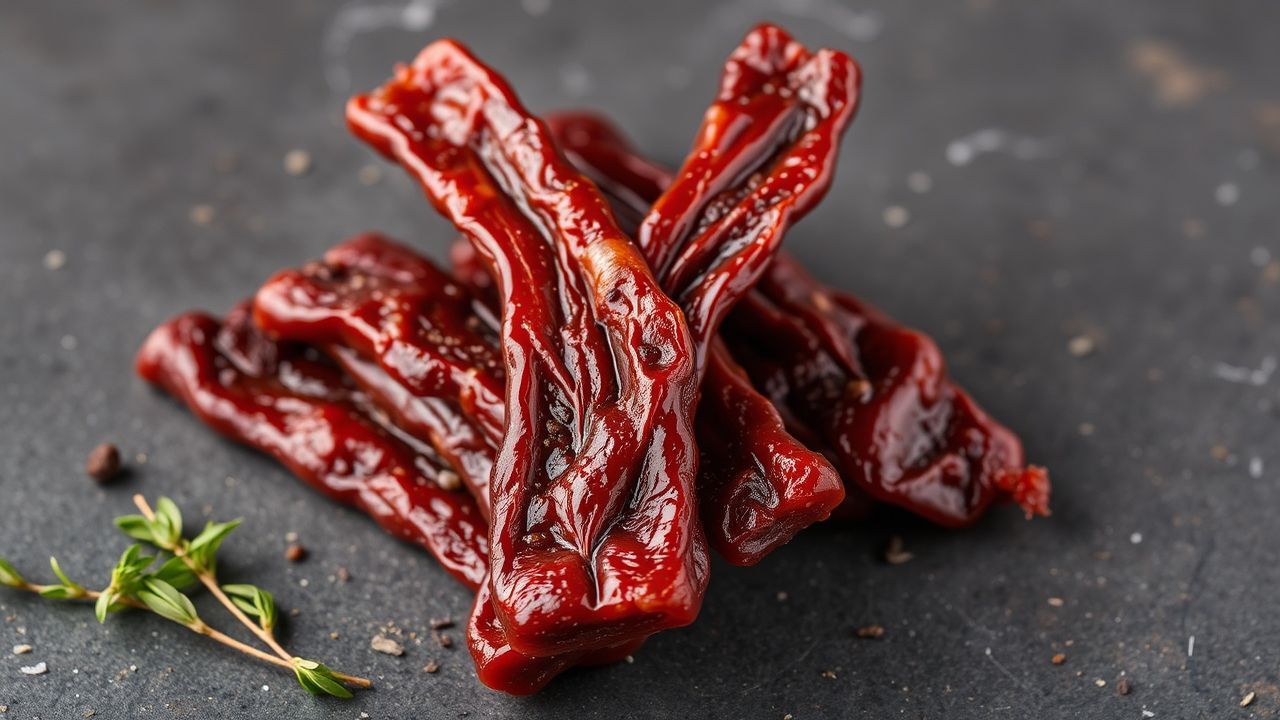

Great jerky begins at the meat counter. Choosing the right jerky meat determines texture, shelf life, and flavor before you even mix a marinade.
- Buy lean cuts like top round, eye of round, and sirloin tip to minimize spoilage.
- Talk to suppliers—butchers and farmers give actionable guidance on cut and freshness.
- Prefer traceable sources and regenerative or grass-fed farms for cleaner flavor and transparency.
- Trim visible fat and slice against the grain for consistent dehydration.
Understanding jerky origins and why source matters
The practice behind jerky spans centuries. Historic techniques such as drying and salting preserved protein for travel and storage.
Modern jerky keeps that preservation logic but adds food-safety controls and refined sourcing. For background on the method, see jerky.
Why lean cuts are non-negotiable
Fat shortens shelf life because it oxidizes and turns rancid. For jerky, that risk outweighs any extra tenderness fat offers.
Target cuts with under 5% fat and trim what you see. Choices like top round and eye of round deliver uniform grain and predictable drying.
Key cuts for top-performing jerky
Primary beef cuts
Use top round, eye of round, and sirloin tip as your default picks. They share low fat and consistent muscle grain.
Flank steak and bottom round can work but require precise slicing against the grain to avoid toughness.
Alternative proteins
Lean turkey, venison, and bison provide lower-fat profiles and unique flavor. Exotic proteins appear in specialty markets if you seek variety.
Adjust dehydration time and marinade acidity per protein to maintain safety and texture.
Expert sourcing locations: Where to buy the best jerky meat
Not all outlets carry the same quality. Below are ten reliable source types that experienced jerky makers use.
Each option balances price, traceability, and convenience differently. Pick what aligns with your priorities.
1. Local butcher shops
Butchers offer cut-level control and fresh advice about which muscles dehydrate well. They can cut to thickness and recommend lean sub-primal sections.
Build rapport: a regular customer gets early access to lean roasts and custom trimming.
2. Small-scale farms at farmers’ markets
Buy direct for clarity on feed, antibiotics, and animal handling. Farmers often sell grass-fed or pasture-raised cuts ideal for clean flavor.
Ask for processing dates and storage history to confirm freshness. See pemmican for a related historic preservation method.
3. Reputable online specialty vendors
Online suppliers expand access to grass-fed, organic, and region-specific breeds. They list origin and sometimes offer batch traceability.
Inspect product pages for cut source, slaughter date, and shipping temperature controls before buying.
4. Ranch-direct programs
Buying whole or half animals from ranches cuts cost per pound and increases traceability. You choose which sub-primals to allocate to jerky.
Coordinate with the processor to request lean cuts and specific trimming to suit jerky production.
5. Ethically certified suppliers
Look for certifications that confirm husbandry practices and labeling—these reduce guesswork when seeking clean meat.
Programs tied to regenerative or grass-fed standards can show on-package seals and detailed farm profiles. For context, read about regenerative agriculture.
6. Wholesale clubs and butcher counter programs
Wholesale outlets offer economy pricing on large roasts. Use them when you have storage and plan large-batch jerky runs.
Inspect individual pieces and request extra trimming when possible to keep fat content low.
7. Game processors and venison clubs
Venison and other wild game yield exceptionally lean jerky meat. Clubs and processors help with packaging and aging that preserve quality.
Confirm handling and chilling protocols to prevent contamination during field dressing and transport.
8. Specialty ethnic markets
Certain markets stock cuts that mainstream grocers lack, including thin flat cuts already trimmed for drying.
Their butchers may slice very thin for you, saving prep time and ensuring consistent thickness.
9. Cooperative buying groups
Join local co-ops for bulk access to specific breeds or farm systems. Shared orders unlock direct-farm pricing and traceability.
Co-ops sometimes arrange shared processing and storage to protect quality during delivery.
10. Direct-to-consumer meat subscriptions
Subscriptions deliver predictable supply and transparency about farms and animal diets. Some let you choose lean roasts specifically for jerky.
Evaluate shipping cold-chain practices and cancellation terms before subscribing.
After a warning like that, pause and plan your process: trim, slice, and treat each piece deliberately.
Understanding USDA grading and how it applies
The United States Department of Agriculture grades meat by marbling and maturity, but high marbling is not a benefit for jerky.
Choose Choice or Select grades for a reliable balance of flavor and leanness, focusing on cut rather than grade alone.
Essential preparation: slicing, marinating, and dehydration
Slicing technique
Slice against the grain into uniform 1/8″–1/4″ strips. Uniform thickness prevents uneven drying and bacterial pockets.
Partially freezing the roast improves slice consistency and safety during handling.
Marination strategy
Use a salt-forward marinade with acid components to inhibit surface bacteria and impart flavor. Typical bases include soy, Worcestershire, and vinegar.
Marinate for 4–16 hours; avoid overly long acid exposure that can break down texture to mush.
Drying and storage
Dry to the classic bend-test: jerky bends and cracks but does not snap. Maintain internal temp controls consistent with dehydrator or oven specs.
Store in airtight containers, vacuum-seal for long-term storage, and refrigerate if you expect prolonged holding.
Sustainable sourcing and traceability
Traceability improves trust and allows you to select farms with defined practices that influence meat profile and safety.
Local sourcing lowers transport time and helps you verify on-farm claims directly with producers.
Benefits of grass-fed and regenerative suppliers
Grass-fed and regenerative systems often produce leaner meat with a different fatty-acid profile and a cleaner flavor note in jerky.
Ask farms for certifications or documented practices if sustainability factors into your purchase decision.
Supply-chain transparency
Use lot numbers and processing dates to manage rotation and minimize spoilage. Brands that publish supply-chain data reduce risk.
Blockchain and QR-coded packaging appear in some specialty products to show farm-to-pantry details.
Further resources and internal guides
For recipes and step-by-step dehydration settings, consult our jerky recipes collection.
If you plan larger batches, our dehydrator guide and meat sourcing pages share handling best practices and supplier checklists.
FAQ
How do I choose the best jerky meat?
Pick lean cuts with consistent grain and under 5% visible fat. Ask suppliers for sub-primal recommendations and trimming options.
Test small batches from new sources to confirm flavor and drying behavior before committing to bulk buys.
Can I use fatty cuts if I trim them well?
Trimming reduces surface fat, but intramuscular marbling remains a risk. Prefer inherently lean muscles for safe, long-lasting jerky.
If you must use marbled cuts, process and store in shorter timeframes and consume quickly.
Are online vendors safe for jerky meat purchases?
Yes, when they publish origin, slaughter date, and cold-chain details. Reputable vendors document farm practices and shipping controls.
Order small amounts first to evaluate packaging and freshness on arrival.
What is the ideal slice thickness?
Aim for 1/8″–1/4″. Thinner slices dry faster and more evenly, but very thin slices risk over-drying and brittleness.
Uniformity beats thinness—consistent slices reduce the chance of under-dried pockets that harbor moisture.
How should I store homemade jerky?
Cool fully, then vacuum-seal or store in airtight jars with oxygen absorbers for long-term storage. Refrigerate for extended shelf life.
Label with date and batch details to rotate stock and avoid degradation in quality over time.
See also: jerky meat