
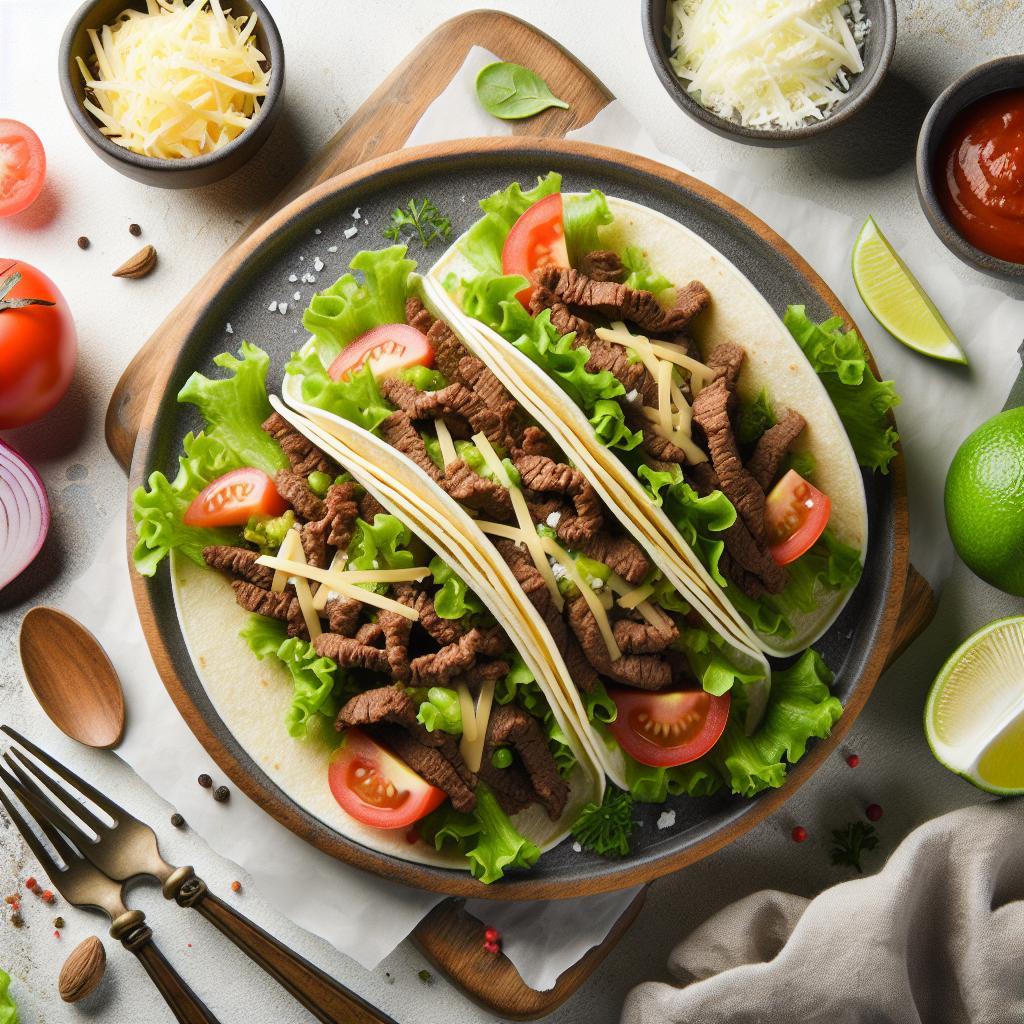

There is nothing more satisfying than the sizzle of seasoned beef in a hot skillet and the aroma that signals dinner is ready. This guide breaks the process into clear, repeatable steps so you can make juicy, well-seasoned beef tacos every time.
- Focus on fat: Start with the right ground beef for flavor and moisture.
- Balance spices: Build layers—smoke, heat, and a bright acid finish.
- Texture matters: Toast spices and finish with a small amount of liquid for ideal filling texture.
- Serve warm: Heat tortillas just before assembly to keep tacos intact and fragrant.
Prep and Cook Time
Preparation: 15 minutes. Gather and measure spices, chop any fresh toppings, and warm tortillas just before serving.
Cooking: 25 minutes. Brown the beef, bloom the spices briefly in the pan, and simmer with a splash of broth to reach the right consistency.
Yield
This recipe makes approximately 6 hearty tacos, depending on how generously you fill each tortilla. Plan for one to two tacos per person as a main course or three to four as part of a larger spread.
If you need more servings, scale the beef and liquid linearly and keep spice amounts proportional to maintain flavor balance. The filling stores well for a day refrigerated and reheats cleanly with a splash of broth.
Difficulty Level
Easy: This recipe suits beginners and experienced cooks who want reliable results. The technique focuses on timing, spice blooming, and moisture control rather than advanced knife work.
With a single skillet and basic pantry spices you can produce restaurant-quality tacos at home. Follow the step order and you will save time while improving flavor consistency.
Ingredients
Use the ingredient list to prep a mise en place before you start cooking. Laying out measured spices, aromatics, and liquids keeps the cook focused and helps spices toast evenly.
- 1 lb ground chuck beef (85% lean)
- 1 tbsp olive oil
- 2 cloves garlic, minced
- 1 tsp smoked paprika
- 1 tsp ground cumin
- 1 tsp chili powder
- 1/2 tsp dried oregano
- 1/2 tsp onion powder
- 1/4 tsp cayenne pepper (optional)
- Salt and black pepper, to taste
- 1/2 cup beef broth or water
- 12 small corn or flour tortillas, warmed
- Fresh cilantro, lime wedges, and optional toppings: diced onion, radish, queso fresco, avocado
For richer mouthfeel, substitute part of the chuck with a small amount of short rib or brisket. If you want traditional texture, warm tortillas immediately before assembly to avoid cracking.
Instructions
Work in clean stages: select meat, build a spice blend, brown the beef, then finish for texture. Each stage focuses on maximizing flavor with minimal fuss.
Below are the practical steps with rationale and small technique notes so you can repeat the process with confidence. Use the order as a checklist while you cook.
Choose the best beef
Start with ground beef at roughly 80/20 to 85/15 fat ratio for optimal juiciness and flavor. Leaner blends dry out quickly; fattier blends render more flavor but may need gentle draining.
For an elevated result, briefly sear small batches to develop Maillard browning before combining them. Browning adds depth; avoid steaming by keeping high heat and not overcrowding the pan.
Prepare the seasoning blend
Mix smoked paprika, ground cumin, chili powder, oregano, onion powder, cayenne, salt, and pepper in a small bowl. Measuring spices ahead prevents over- or under-seasoning during a busy pan stage.
Spices toast best dry for a minute once added to hot oil; this releases volatile oils and sharpens flavor. Use cumin for its earthy backbone and paprika for color and sweet-smoke notes.
Sauté aromatics
Heat oil over medium, add minced garlic, and cook until fragrant and lightly golden, about one minute. Be careful: garlic burns quickly and turns bitter, so watch temperature closely.
The aromatic stage builds the base for spice-toasting in the meat. Adding aromatics first integrates their moisture and flavor into the finished mixture.
Cook the beef
Add the ground beef and break it into even pieces with a sturdy spoon or spatula. Work in batches if necessary to maintain surface contact and encourage even browning.
Cook until no pink remains and the meat shows brown crusted bits, about 6–8 minutes. Avoid stirring constantly; let the meat sear for short intervals to develop texture.
Incorporate seasoning and toast
Sprinkle the seasoning blend over the browned beef; stir to coat and allow spices to toast for two minutes in the hot pan. Toasting in the meat’s rendered fat deepens aromas and balances flavors.
If the pan looks dry, lift the heat briefly but avoid scorching spices. A quick deglaze with a spoonful of broth or water helps dissolve browned bits into the mixture.
Add liquid and simmer
Pour in the beef broth or water and reduce the heat to low; simmer uncovered until the mixture thickens to a clingy, taco-friendly texture. The goal is moist, not runny: the liquid should bind spices and coat meat.
Simmer 7–10 minutes while stirring occasionally to test texture. If you overshoot and it dries out, add a splash of hot broth to revive juiciness without diluting flavor.
Warm your tortillas
Heat tortillas on a dry skillet or over a low flame until soft and slightly charred at the edges. Wrap warmed stacks in a clean towel to retain pliability and steam them gently for serving.
Choose corn for traditional flavor and a slight sweetness, or flour for a sturdier wrap that holds generous fillings. Either style benefits from brief direct heat to release aroma.
Assemble and serve
Spoon beef onto the warmed tortillas and build toppings in layers: crema or avocado for richness, diced onion and cilantro for freshness, lime for acidity. Balanced layering keeps tacos tidy and flavorful when eaten by hand.
A final squeeze of lime brightens the profile and cuts through fat. Serve immediately to prevent sogginess and to enjoy contrasting hot filling and cool garnishes.
Tips for Success
Keep the cooktop simple and your mise en place organized to move quickly between steps. Pre-measuring spices and prepping toppings reduces overcooking or burnt aromatics.
When seasoning, taste and adjust gradually; spices concentrate as liquids reduce. If you prefer milder heat, omit the cayenne or halve the chili powder.
Allow at least one rest period after the tip above before reading the caution below to avoid adjacent block placement. This separation preserves the reader’s eye flow and emphasizes each callout.
Serving Suggestions
Serve tacos on a warm board with lime wedges and a small bowl of pickled jalapeños for optional heat. A crunchy cabbage slaw or fresh pico balances richness with acidity and texture.
Offer a taco bar for gatherings so guests can customize toppings; this approach elevates engagement and extends dwell time at the table. Small bowls for garnishes help guests assemble neat, well-balanced tacos.
Nutrition
Per taco nutrition will vary by tortilla type and toppings, but a typical beef taco (one taco) runs about 220 kcal with roughly 18 g protein. Adjust toppings to meet dietary goals—swap crema for Greek yogurt to reduce fat while adding protein.
| Nutrient | Per Serving (1 Taco) |
|---|---|
| Calories | 220 kcal |
| Protein | 18 g |
| Carbohydrates | 15 g |
| Fat | 10 g |
FAQ
What makes a beef taco truly perfect?
Perfect tacos combine well-browned, seasoned meat with fresh toppings and a warm tortilla. Texture contrast and a final bright acid like lime create the sensation of completeness in each bite.
How do I choose the best beef for tacos?
Select ground beef with moderate fat for juiciness, typically 80/20 to 85/15. Higher fat content gives flavor and mouthfeel, while very lean meat often requires added liquid or fat to avoid dryness.
Should I use corn or flour tortillas?
Corn tortillas provide authentic flavor and a slight sweetness, while flour tortillas are more pliable for packed fillings. Warm either type briefly to improve flexibility and aroma before assembling tacos.
Can I make the filling ahead of time?
Yes. Prepare the beef filling up to one day ahead and refrigerate in an airtight container. Reheat gently with a splash of broth and refresh toppings at serving time to maintain texture.
Any creative twists beyond classic beef tacos?
Try mixing in diced roasted chiles, adding a smoky chipotle crema, or topping with grilled pineapple for a sweet-savory contrast. Small, targeted changes deliver high-impact flavor without complicating technique.
In Retrospect
These steps simplify the process so you can repeat excellent results without guesswork. Focus on fat content, spice balance, and the finishing texture to make tacos that friends and family will request again.
Gather a good skillet, measure your spices, and commit to a single, efficient workflow; the payoff is consistent, restaurant-quality beef tacos at home. Enjoy the process and refine small details with each cook to develop your signature taco.
See also: Beef Tacos