
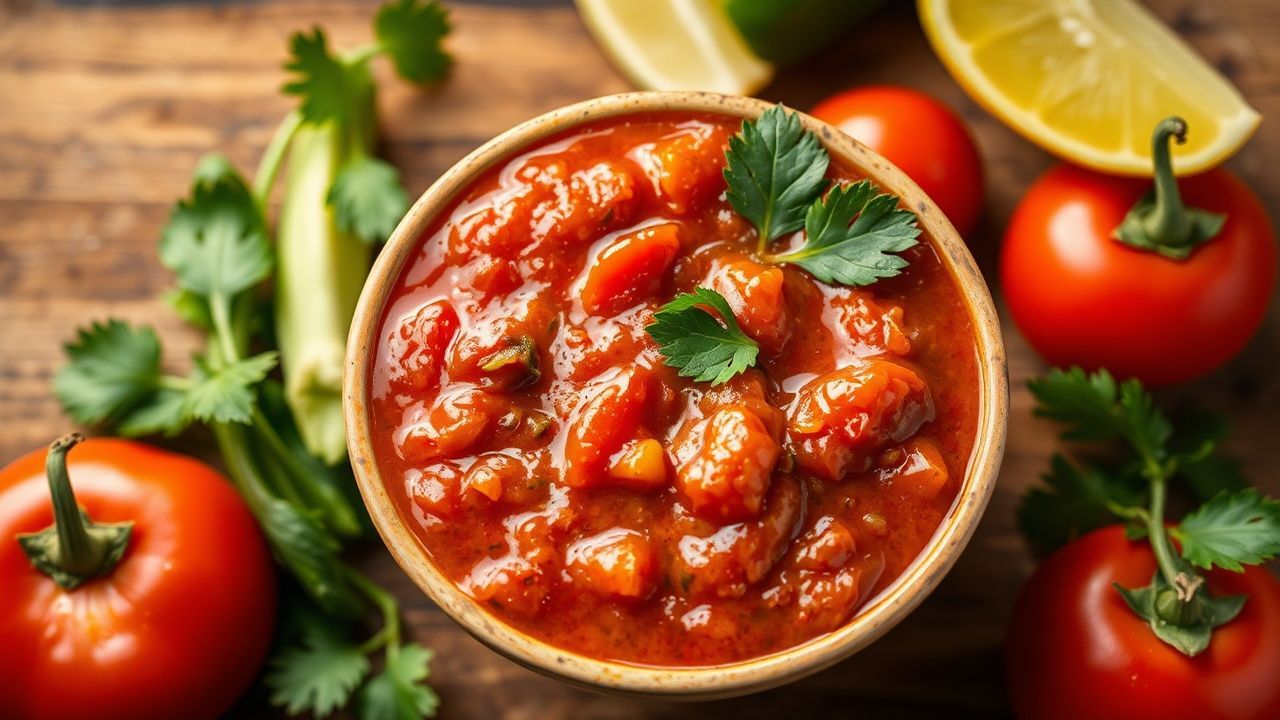

Master the art of Rotel by building a reliable, flavor-forward tomatoes-and-chilies mix you can tailor to any dish. This guide explains ingredient choices, cooking technique, and storage so you get consistent texture and heat every time.
- Freshness first: use firm, ripe tomatoes and just-picked chilies for the best aroma.
- Control the heat: seeds and membranes determine spiciness more than variety alone.
- Drain for texture: reducing excess liquid prevents watery dips and soggy casseroles.
Why homemade Rotel works
Rotel gains its appeal from the contrast of bright tomato acidity and the sharp bite of fresh chilies. When you make it at home, you preserve volatile aromatics that canned products often lose during commercial processing.
Tomato selection impacts body and flavor, while the chili choice sets the heat curve. Read more about the tomato as an ingredient and its culinary role to understand why some varieties perform better when cooked.
Ingredients — what to use and why
Good Rotel starts with firm tomatoes and crisp vegetables that withstand brief cooking without turning to mush. Choose produce that yields texture and bright flavor after a short sauté and simmer.
Below is a practical ingredient list with measures that scales easily for larger batches. Bold items indicate the simple swaps that affect heat, acidity, or texture.
- 4 cups fresh Roma tomatoes, finely diced
- 2–3 fresh jalapeños, seeded and minced (adjust to taste)
- 1 medium green bell pepper, finely diced
- 1 small onion, finely chopped
- 2 cloves garlic, minced
- 1 tbsp olive oil
- 1/2 tsp smoked paprika
- 1/4 tsp ground cumin
- Salt to taste (start with 1 tsp)
- Freshly ground black pepper, to taste
- Juice of 1 lime
- Optional: 1 serrano for extra heat and complexity
Choosing chilies
Select chilies based on desired heat and flavor. For traditional Rotel-style balance, jalapeños deliver moderate heat and a bright green pepper note that complements tomato acidity.
Learn more about common varieties and their characteristics at the jalapeño page. For milder renditions, use green bell or poblano peppers; for more heat, add serrano or keep seeds intact.
Prep & cook time
Preparation: 20 minutes of chopping and draining. Aim for uniform dice so the mixture cooks evenly.
Cooking: 12–15 minutes on medium heat. The goal is a slightly reduced mixture that still retains texture and bright acidity rather than a purée.
Step-by-step instructions
Follow these steps to produce a consistent result that works equally well in dips and as a condiment. Keep the heat at medium to prevent over-browning the aromatics.
Work in batches if your pan is small to avoid steaming the vegetables and releasing too much liquid. Excess water dilutes the flavor and spoils texture.
- Prepare tomatoes: Core and finely dice Roma tomatoes. Place diced tomatoes in a colander over a bowl and drain for 10 minutes to concentrate flavor and remove excess water.
- Sauté aromatics: Heat olive oil in a medium skillet over medium heat. Add chopped onion and garlic and sauté until translucent, about 3–4 minutes, stirring often to prevent color change.
- Add peppers: Add diced bell pepper and minced jalapeños (or serrano if using). Sauté 2–3 minutes to soften but keep bite.
- Combine and season: Fold in drained tomatoes, smoked paprika, cumin, salt, and black pepper. Stir gently to distribute spices and avoid breaking tomato flesh into a purée.
- Reduce slightly: Cook uncovered for 6–8 minutes, stirring occasionally, until the mixture thickens and flavors concentrate. Stop when it holds together but still shows tomato pieces.
Finishing and storage
Remove the pan from heat and stir in fresh lime juice to lift the flavors. Taste and adjust salt or add a pinch of sugar if the tomatoes taste overly acidic.
Transfer the mix to a sterilized jar or airtight container and let it cool to room temperature before refrigerating. Chilled Rotel often tastes brighter after a few hours as the components marry.
Chef’s notes: tips for success
Small technique choices yield big differences in texture and flavor. Focus on even dice, moderate sautéing, and fresh lime at the end to preserve volatile citrus notes.
Use the following tactical tips to dial in the result for your applications, whether queso, tacos, or casseroles.
- Drain well: Draining the diced tomatoes reduces the water content and prevents watery dips.
- Seed control: Remove seeds and membranes to lower heat quickly; include them to increase spiciness without changing texture.
- Balance acidity: If tomatoes are very tart, a pinch of sugar counterbalances acidity without making the final product sweet.
- Make-ahead: Refrigerate up to 3 days for the best fresh flavor. Freeze in portioned containers for longer storage.
Serving suggestions
Rotel adds instant interest to many preparations common to Tex-Mex and Southwestern styles. Think beyond queso: it also cuts through rich proteins and starches to add brightness.
Serve as a topping for grilled meats, fold into scrambled eggs, stir into grain bowls, or use as the spicy foundation for soups and stews. Garnish with cilantro or crumbled queso for cool contrast.
Nutrition snapshot
This homemade Rotel offers low calories with modest carbohydrate from tomatoes and small fat contribution from oil. Use it as a flavor vehicle rather than as a calorie-dense ingredient.
Per ½ cup serving: about 45 calories, 1 g protein, 8 g carbohydrates, 2 g fat. Values will shift by oil quantity and whether you add cheese or other mix-ins.
| Nutrient | Per ½ cup serving |
|---|---|
| Calories | 45 |
| Protein | 1 g |
| Carbohydrates | 8 g |
| Fat | 2 g |
FAQ
The following questions answer common operational and preservation concerns for home cooks. Each response gives a concise, practical method you can use right away.
These items also cover substitution ideas and safety guidance when you store or preserve homemade Rotel.
Can I use other tomato varieties instead of Roma?
Yes. Roma and plum tomatoes are preferred for their firmer flesh and lower moisture, which gives better texture after cooking. If you use very juicy tomatoes, drain them longer or reduce the mixture slightly more to avoid a watery result.
How do I control the heat level reliably?
Control heat by removing seeds and membranes from the chilies; that removes most capsaicin. Start with fewer chilies and add more after tasting, since heat concentrates as the mixture reduces.
Can I can homemade Rotel safely at home?
You can preserve Rotel, but follow tested canning methods for high-acid foods. For shelf stability, consult established water-bath canning protocols and acidity guidelines; improper canning risks spoilage and food safety issues.
How long does refrigerated Rotel last?
Stored in an airtight container, homemade Rotel keeps well for up to 3 days in the refrigerator. If you need longer storage, freeze in portioned containers or follow safe canning procedures for shelf storage.
What dishes benefit most from homemade Rotel?
Its concentrated tomato-chile profile lifts queso dips, tacos, enchiladas, soups, and grain bowls. Use Rotel as a finishing condiment or a cooked base; it provides both acidity and a spicy backbone that brightens rich foods.
With practice, you will adjust tomatoes, chilies, and salts to produce a Rotel that reliably enhances your favorite recipes. Use the guidance above to experiment safely and effectively, and document your preferred ratios for consistent results.
See also: Rotel