
Porcini deliver an intense, savory profile prized by chefs for texture and flavor. Handle porcini with precision and simple technique to maximize their natural umami and yield consistent, professional results.
- At a glance: Choose firm porcini with dry caps, sear hot in a single layer, and finish with acid and herbs to lift depth.
- Use dried porcini soaking liquid as a concentrated stock base for sauces and risotto.
- Control moisture and heat to get Maillard browning, not steam.
About Porcini and Why Porcini Matter
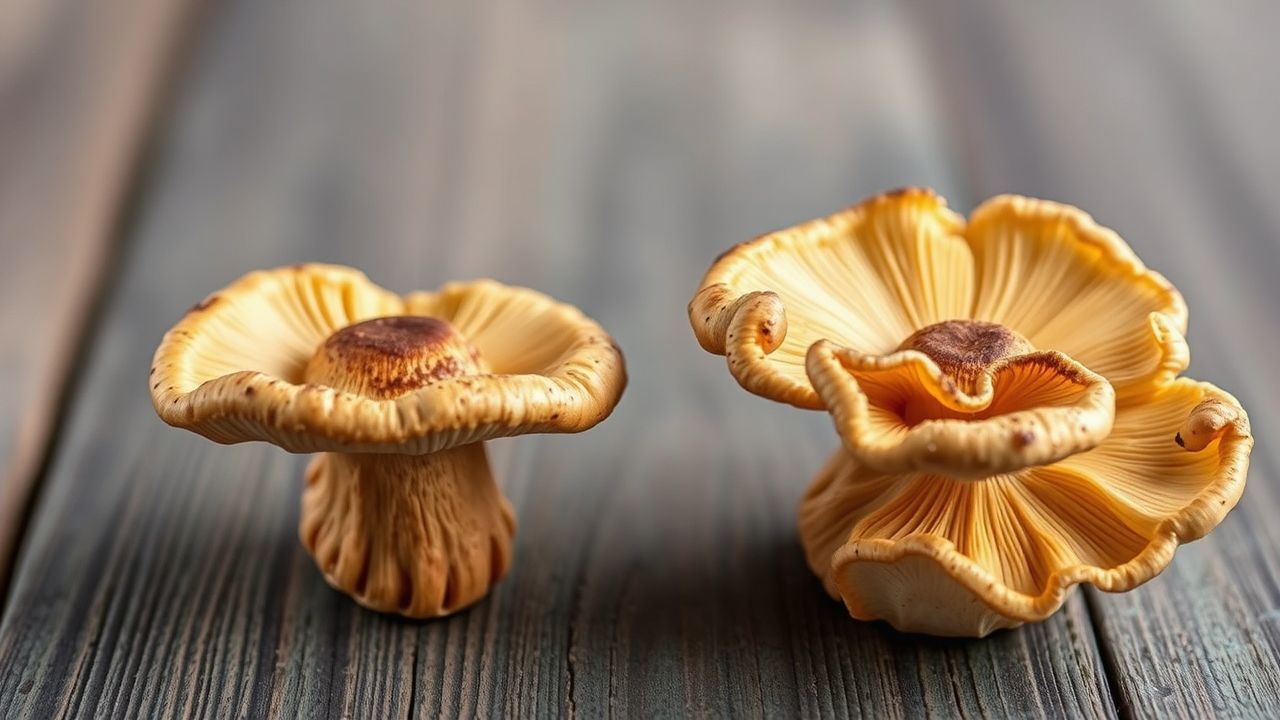
Porcini are the culinary name for Boletus edulis and close relatives that offer dense flesh and concentrated savory compounds. Their capacity to add sustained umami comes from free amino acids and nucleotides that survive cooking and concentrate when moisture reduces.
Knowing porcini biology helps with selection and storage. For taxonomy and ecology consult Boletus edulis and the general mushroom entry for morphology and safe handling guidelines.
Porcini: Prep and Cook Time
Preparation for porcini takes about 15 minutes when cleaning and trimming carefully. Keep preparation brisk and deliberate so the pan work stays fast and the mushrooms stay dry and brown well.
Cooking porcini usually finishes in 15–20 minutes depending on slice thickness and batch size. High-heat searing then a short finish preserves texture and concentrates flavor without breaking down the flesh.
Porcini Yield
Plan 75–100 g fresh porcini per person when using them as a side or garnish. For main dishes, increase to 150–200 g per person to make porcini the dish focus.
If you use dried porcini, rehydrate and weight after soaking; dried porcini expand and provide a potent punch of flavor per gram, so adjust quantities accordingly.
Porcini Difficulty Level
Skill level for porcini cooking is moderate. The steps are simple: control pan temperature, limit moisture, and finish with acid or herbs to balance the rich taste.
Practice timing and pan technique with small batches. That trains you to judge sear, texture, and when to add aromatics without risking a soggy outcome.
Porcini Ingredients
Use quality ingredients to showcase porcini. Basic sauté components include oil, butter, a mild aromatic, and a final brightener. These let the porcini flavor carry the dish rather than mask it.
Core list: 300 g fresh porcini, 2 tbsp olive oil, 2 tbsp unsalted butter, 3 cloves garlic, 1 tsp thyme, salt and pepper, parsley and optional white wine or lemon zest for finishing.
Porcini Instructions
Clean porcini with a soft brush or damp towel to remove grit. Avoid soaking; porcini absorb water and lose browning potential and concentrated flavor when wet.
Trim fibrous stems and slice caps about 1/2 inch thick for even cooking. Reserve trimmed stem bits for stock to avoid waste and to amplify porcini flavor elsewhere.
Searing Technique
Heat a heavy skillet until hot, then add oil and butter. Add mushrooms in a single layer and leave undisturbed 3–4 minutes to form a clear sear, then stir and finish until golden.
If pieces release too much liquid, remove them briefly, crank heat, and return to re-sear. That two-step rescue restores texture in larger porcini batches.
Finishing Touches
Add garlic and thyme in the last minute so aromatics cook without burning. Deglaze with a small splash of wine or reserved mushroom soaking liquid if using dried porcini; simmer until mostly evaporated.
Toss with chopped parsley and lemon zest just before serving to lift the deep, earthy notes of porcini without masking them.
Porcini: Tips for Success
Control moisture aggressively when cooking porcini. Too much liquid prevents browning and flattens texture; manage batch size and heat to keep slices contacting the pan.
Season late. Salt draws moisture; add salt near the end to preserve the sear and refine final seasoning of porcini preparations.
Dry vs Fresh Porcini
Dried porcini concentrate flavor and rehydrate in 20–30 minutes in warm water. Strain the soaking liquid through a fine sieve or cheesecloth and use it as a potent stock for sauces or risotto.
Fresh porcini taste more delicate and provide firmer texture. Choose fresh when texture is central; choose dried when you need an umami boost without fresh availability.
Porcini Pairings and Serving Suggestions
Porcini pair naturally with starches and dairy: risotto, polenta, buttered pasta, and soft cheeses highlight their savory weight. Use porcini to add backbone rather than compete with delicate elements.
Top tagliatelle with sautéed porcini tossed in butter and sage, or fold chopped porcini into a slow risotto for layered savoriness. For technique references, see risotto.
Porcini also complement seared meats and braises. Finish plates with a small acid touch — lemon, verjuice, or light vinegar — to lift the earthy tones and keep the dish lively.
Porcini Nutrition and Storage
Porcini supply moderate protein, fiber, vitamins, and minerals while remaining low in calories. They increase savory bulk without heavy fats, useful for balanced menus and vegetarian dishes.
Store fresh porcini loosely wrapped in paper in the refrigerator and use within a few days. Keep dried porcini airtight and away from light to preserve aroma for months.
Porcini Common Missteps and How to Fix Them
Overcooking is common with porcini. Aim for a golden exterior and tender interior; prolonged simmering softens fibers and reduces the satisfying chew that defines well-cooked porcini.
Applying too much salt early draws moisture out and prevents browning. Hold salt until near the end and taste-correct after finishing to let porcini texture and flavor shine.
Porcini Field Notes: Foraging and Sourcing
Foragers should know local lookalikes and seasonal patterns. Porcini fruit in temperate forests with tree partners; timing varies by climate and habitat. Learn regional guides before attempting to harvest porcini in the wild.
If buying, pick porcini with firm flesh and minimal blemish. Specialty markets and trusted producers supply consistent fresh or premium dried porcini that save time and reduce risk.
For general background on savory taste mechanisms, consult umami and for browning science see Maillard reaction.
FAQ
Q: How do I identify fresh, edible porcini?
Look for firm stems, dry caps, and a light sponge under the cap. Avoid slimy, discolored, or brittle specimens; those traits indicate age or contamination.
Q: Can I substitute other mushrooms for porcini?
Substitutes like cremini or shiitake add umami, but they lack porcini’s full-bodied flavor. Dried porcini rehydrated often come closest when real porcini are unavailable.
Q: How should I rehydrate dried porcini?
Soak dried porcini in warm water 20–30 minutes, then strain the liquid through fine cloth. Reserve that clear soaking liquid as a potent base for sauces and risotto to boost porcini character.
Q: Are porcini safe to eat raw?
Most people cook porcini to improve digestibility and flavor. Raw porcini can be tough and may cause mild gastric upset in sensitive individuals; cooking softens fibers and releases aromatics.
Q: What wine pairs well with porcini dishes?
Medium-bodied reds such as Barbera or Chianti match earthy porcini without overpowering them. Rich cream-based porcini plates can stand a fuller white with bright acidity for balance.
Further reading and internal resources: explore curated recipes and techniques at Porcini Mushrooms and learn risotto technique at Risotto Techniques to pair with your porcini preparations.
Recommended Reading:
- Mastering Mushroom Tolerance: Step-by-Step Testing Guide
- Savor the Forest: Mastering the Art of Cooking Chanterelles
- Spotted a Destroying Angel? What to Do Next Safely