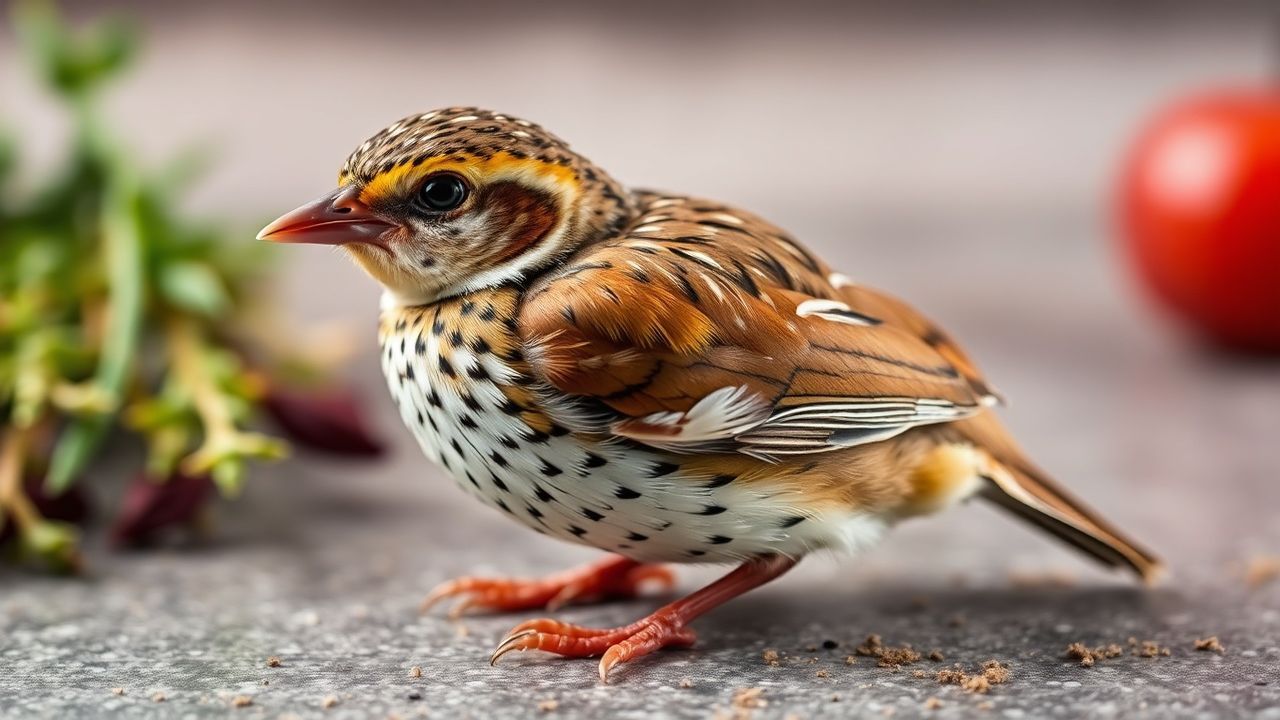

There is something irresistible about the delicate, smoky allure of perfectly smoked quail. Small size and fine texture make quail an ideal canvas for subtle smoke, bright seasonings, and crisp skin.
- Quick cook, big flavor: quail cooks fast but rewards control.
- Use mild fruitwoods: fruitwoods preserve the bird’s delicate profile.
- Thermometer wins: internal temp is the only reliable doneness check.
- Rest before serving: short rest keeps juices locked in.
Selecting the Ideal Quail and Preparation Techniques for Smoky Excellence
Start with the right bird. Look for plump, firm quail with even color and no off odors to ensure a tender, juicy result.
Wild quail tend to show deeper flavor, while farm-raised birds offer consistent tenderness. Learn more about the species on quail.
Handling and Cleaning
When you bring quail home, rinse briefly and pat dry. Then trim any excess fat or loose skin to promote even smoking and crisping.
Keep the birds cold until you marinate or brine. Cold handling reduces bacterial growth and preserves texture; consult basic guidelines on food safety.
Brine vs. Marinade
A simple wet brine of salt and sugar increases moisture retention and seasons the meat throughout. Brining works well when you plan to smoke at low temperatures for longer periods.
Buttermilk-based marinades tenderize and add tang. For background on cultured dairy and its effects, see buttermilk.
Prep and Cook Time
- Preparation: 25 minutes
- Marinating or Brining: 2 to 4 hours (optional)
- Smoking: 45 to 60 minutes
- Resting Time: 10 minutes
- Total Time: Approximately 3 hours
Yield and Difficulty
Serves 4. Plan one whole quail per person. Adjust sides and sauces to complement small portions.
Difficulty: Medium. The technique is approachable if you control temperature and timing.
Ingredients and Flavor Building
Use simple, balanced ingredients to highlight quail. A light rub and a mild smoke let the bird’s character shine.
Key components include a tenderizing liquid, aromatics, a modest sweet element, and a pinch of acid to finish.
Core Ingredients
4 whole quails, cleaned and patted dry.
2 cups buttermilk for marinade, minced garlic, smoked paprika, brown sugar, sea salt, black pepper, thyme, and optional crushed red pepper. Coat lightly with olive oil before smoking and serve with lemon wedges.
Wood Selection
Choose mild fruitwoods such as apple or cherry. These woods add a sweet, gentle smoke that complements rather than overpowers quail.
For reference on smoking and smoke types, consult smoking (cooking) and consider small chip amounts for delicate meat.
Step-by-Step Smoking Instructions
Follow a clear sequence: marinate or brine, dry and oil, smoke at a steady low temperature, then rest before serving.
Each step influences texture, smoke uptake, and moisture retention. Keep the process deliberate and paced.
1. Marinate the Quail
Mix buttermilk, garlic, smoked paprika, brown sugar, salt, pepper, thyme, and optional red pepper flakes. Submerge the quails and refrigerate 2–4 hours to tenderize.
This step mildly acidifies and breaks down muscle fibers, creating a tender mouthfeel after smoking.
2. Prepare Your Smoker
Soak wood chips for 30 minutes, then preheat the smoker to a steady 225°F (107°C). Low, steady heat penetrates without drying small birds.
Use a water pan to stabilize the environment and to moderate heat spikes. For controlled smoke, add small amounts of wood at intervals.
3. Prep and Place the Birds
Remove birds from the marinade, pat dry, and brush with olive oil. Oiling helps the skin crisp and brown during smoking.
Place quail skin side up with space between them to allow smoke circulation. Rotate racks if necessary for even exposure.
4. Monitor and Maintain
Smoke the quail 45–60 minutes, or until internal temp registers 165°F (74°C) at the breast. A probe thermometer gives precise, repeatable results.
Check probes in the thickest part of the breast and avoid touching bone to prevent false highs. Remove once stable at target temp.
5. Rest and Serve
Tent smoked quail loosely with foil and rest 10 minutes. Resting lets juices redistribute and improves sliceability and juiciness.
Serve with bright elements such as charred lemon wedges or a small fruit reduction. Fresh herbs add aroma and color.
Tips for Success
Small birds respond quickly to heat and smoke. Control and observation, rather than high heat, create consistent results.
Use the following tactical tips to refine outcomes and raise the dish to a professional level.
- Fruitwoods like apple or cherry provide sweet smoke that pairs with gamey notes. Use sparingly for delicate balance.
- Rotate trays mid-smoke to prevent hot spots from overbrowning one side while leaving another under-smoked.
- Keep a water pan in the smoker to maintain humidity and tame temperature swings during multi-bird runs.
- Rest 10 minutes before carving to preserve juices and improve mouthfeel.
Serving Suggestions and Pairings
Smoked quail pairs well with creamy starches and bright, acid finishes. Polenta, roasted root vegetables, or a tangy berry reduction all work.
For drinks, choose a crisp white or a light rosé that refreshes the palate between bites.
Plating and Garnish
Plate one quail per guest on a smear of creamy polenta or alongside roasted seasonal vegetables. Add a sprig of fresh thyme or parsley for color and aroma.
Offer lemon wedges to squeeze at the table; acid brightens smoky, fatty notes and sharpens the overall flavor profile.
Nutrition and Practical Notes
Quail is lean with a concentrated protein profile. One quail typically supplies about 220 calories and 28 g of protein, depending on preparation.
Adjust salt and sugar in brines and rubs if you monitor sodium intake or are preparing for sensitive diners.
| Nutrient | Per Serving (1 Quail) |
|---|---|
| Calories | 220 |
| Protein | 28g |
| Carbohydrates | 2g |
| Fat | 11g |
FAQ
Can I spatchcock quail before smoking?
Yes. Spatchcocking increases exposed surface area, which speeds cooking and can yield crisper skin. Monitor internal temp closely because time decreases.
What wood is best for small game like quail?
Mild fruitwoods—apple, cherry, or pecan—work best. They add gentle sweetness without masking the bird’s natural flavors. Hickory will overpower if used heavily.
How do I know when smoked quail is done?
Use a probe thermometer. The safe target for poultry is 165°F (74°C) in the thickest part of the breast. Check multiple birds in larger batches.
Should I brine or marinate for best results?
Both methods work. Brining improves moisture retention; a buttermilk marinade tenderizes and adds acidity. Choose based on texture preference and available time.
How long can I store leftover smoked quail?
Refrigerate within two hours and use within 3–4 days. Freeze wrapped tightly for longer storage. Reheat gently to avoid drying the meat.
For more background reading on barbecue techniques and wood selection, the barbecue entry provides useful context on styles and heat control.
Wrapping Up
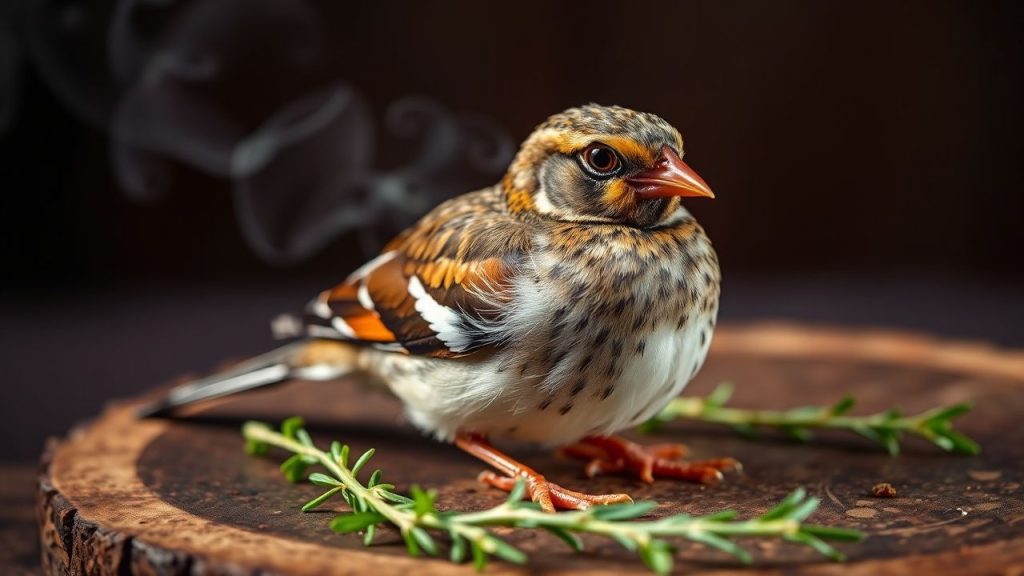
Smoking quail rewards careful technique and small adjustments. Keep smoke light, temperature steady, and always verify doneness with a thermometer.
Experiment with wood types and finishing sauces to develop a signature result. With practice, smoked quail becomes a reliable showpiece for the smoker’s repertoire.
For practical advice on fuels and heat sources, consider reading about wood fuel and how different woods influence heat and smoke character.
See also: Smoked quail