By using this site, you agree to the Privacy Policy and Terms of Use.
Accept

CookHarvest

  • Home
  • About Us
  • Homemade Staples
    • Bread & Butter
    • DIY Dairy
    • Sauces & Condiments
    • Spice Mixes
  • Canning & Pickling
    • Jams & Jellies
    • Pickled Veggies
    • Chutneys & Relish
    • Tomato Sauces
  • Drying & Curing
    • Dehydrated Snacks
    • Homemade Jerky
    • Smoked Meats
    • Dried Herbs
  • Wild Foods
    • Wild Greens
    • Wild Mushrooms
    • Wild Berries
    • Nuts & Acorns
  • More
    • Tasty Ideas
    • American Home Meals
      • Comfort Eats
      • One-Pot Meals
      • Quick & Easy
      • Southern Classics
    • International Recipes
      • Asian Recipes
      • Italian Flavors
      • Mediterranean Flavors
      • Mexican Eats

CookHarvest

  • Home
  • About Us
  • Homemade Staples
  • Canning & Pickling
  • Drying & Curing
  • Wild Foods
  • More
Search
  • Home
  • About Us
  • Homemade Staples
    • Bread & Butter
    • DIY Dairy
    • Sauces & Condiments
    • Spice Mixes
  • Canning & Pickling
    • Jams & Jellies
    • Pickled Veggies
    • Chutneys & Relish
    • Tomato Sauces
  • Drying & Curing
    • Dehydrated Snacks
    • Homemade Jerky
    • Smoked Meats
    • Dried Herbs
  • Wild Foods
    • Wild Greens
    • Wild Mushrooms
    • Wild Berries
    • Nuts & Acorns
  • More
    • Tasty Ideas
    • American Home Meals
    • International Recipes
Follow US
  • Advertising Policy
  • Contact Us
  • Cookie Policy
  • Copyright Notice
  • Disclaimer
  • Privacy Policy
  • Terms of Service
By Fimaw.com
Pickled Chanterelles: A Flavorful Guide to Preserving Nature’s Gold
CookHarvest > Blog > Wild Foods > Wild Mushrooms > Pickled Chanterelles: A Flavorful Guide to Preserving Nature’s Gold
Wild Mushrooms

Pickled Chanterelles: A Flavorful Guide to Preserving Nature’s Gold

Dennis Powell By Dennis Powell Published November 4, 2025
Share
SHARE

Hidden in the dappled shadows of ancient forests, chanterelle mushrooms gleam like nature’s own golden treasure. Revered by foragers and chefs alike, these delicate fungi boast a rich, earthy flavor with subtle hints of apricot and honey. But their fleeting season leaves many longing for a taste long after the autumn leaves have fallen. Enter pickling-a time-honored preservation method that transforms fresh chanterelles into tangy, vibrant gems, ready to elevate any dish throughout the year. In this flavorful guide, we’ll delve into the art and science of pickling chanterelles, unlocking the secrets to capturing and savoring the very essence of nature’s gold.

Contents
The Art of Harvesting Chanterelles for Optimal FlavorCrafting the Perfect Brine Balance for Pickling ChanterellesStep-by-Step Techniques to Achieve Crisp and Tangy PreservesStorage Tips and Creative Culinary Uses for Pickled ChanterellesPrep and Cook TimeYieldDifficulty LevelIngredientsInstructionsChef’s Notes: Tips for SuccessServing SuggestionsQ&AIn Summary

The Art of Harvesting Chanterelles for Optimal Flavor

Pickled chanterelles begin their journey in the wild, where finding these golden treasures is both a mindful and rewarding experience. Harvesting chanterelles at their peak-firm, vibrant, and free of blemishes-ensures the preserved result bursts with that signature earthy, nutty flavor. Seek out chanterelles growing on mossy forest floors, ideally after a light rain, when their aroma is most pronounced. Use a small knife to cut the mushrooms at the base to protect the mycelium and allow for future growth. Gently brush off any dirt or debris without washing them, as excess moisture can dilute their flavor during pickling.

Crafting the Perfect Brine Balance for Pickling Chanterelles

Creating the ideal brine is the heart of preserving these chanterelles, striking a harmonious balance between tartness, saltiness, and subtle sweetness that complements their natural taste. Begin with a well-measured mix of white vinegar, water, and kosher salt, adding aromatic elements like garlic cloves, peppercorns, fresh dill, and a touch of sugar to deepen complexity. Simmer this blend until the sugar and salt fully dissolve, creating a clear, flavorful base that both tenderizes and preserves the chanterelles’ texture and vibrance.

Step-by-Step Techniques to Achieve Crisp and Tangy Preserves

  1. Clean and prepare the chanterelles. Gently brush and trim them, leaving larger mushrooms halved or quartered so they pack well in jars.
  2. Blanch the chanterelles. Immerse in boiling water for 1-2 minutes, then plunge into ice water immediately to halt cooking-this locks in crispness.
  3. Drain thoroughly. Let them dry on a clean towel to prevent an overly watery brine.
  4. Prepare the pickling brine. In a saucepan, combine vinegar, water, kosher salt, sugar, peppercorns, dill, and garlic. Bring to a gentle boil over medium heat.
  5. Fill sterilized jars. Pack chanterelles firmly but gently to avoid bruising.
  6. Pour the hot brine. Cover the mushrooms entirely, leaving some headspace at the top.
  7. Seal and process. Close with sterilized lids and process in a boiling-water bath for 10 minutes to ensure safety and longevity.
  8. Cool and store. Let jars cool to room temperature, then refrigerate or store in a cool, dark place for at least two weeks-then enjoy!

Storage Tips and Creative Culinary Uses for Pickled Chanterelles

Stored properly, pickled chanterelles can last up to 6 months in a cool environment, gaining more complex flavors over time. Refrigerate after opening and consume within 3 weeks for best taste and texture. These vibrant preserves are versatile: add a spoonful atop warm goat cheese crostinis for an elegant appetizer, fold into creamy potato salads for a tart contrast, or serve alongside smoked meats and charcuterie. For an unexpected twist, stir them into risottos, pasta dishes, or grain bowls, where their crisp tang beautifully enhances earthy and rich elements.

Prep and Cook Time

  • Prep Time: 30 minutes
  • Cook Time: 15 minutes
  • Pickling Rest Time: 14 days minimum

Yield

  • Makes approximately 4 (8 oz) jars of pickled chanterelles

Difficulty Level

  • Medium

Ingredients

  • 1 lb fresh chanterelle mushrooms, cleaned and trimmed
  • 2 cups white vinegar (5% acidity)
  • 2 cups water
  • 1 tbsp kosher salt
  • 1 tbsp granulated sugar
  • 4 garlic cloves, peeled and lightly crushed
  • 1 tsp black peppercorns
  • 2 sprigs fresh dill
  • Optional: 1 small bay leaf per jar

Instructions

  1. Prepare the chanterelles. Carefully brush off dirt and trim stems, halving larger mushrooms.
  2. Blanch mushrooms. Drop chanterelles into boiling water for 1-2 minutes. Transfer immediately to ice water to cool.
  3. Drain well. Pat dry with paper towels to remove excess moisture.
  4. Make pickling brine. In a saucepan, combine vinegar, water, salt, sugar, garlic, peppercorns, and dill. Heat until salt and sugar dissolve, then remove from heat.
  5. Pack sterilized jars. Add a bay leaf to each jar if desired, then fill jars tightly with mushrooms.
  6. Pour hot brine. Cover mushrooms completely, leaving ½ inch headspace.
  7. Seal and process jars. Screw lids on firmly and process in a boiling-water bath for 10 minutes.
  8. Cool and rest. Allow jars to cool at room temperature, then refrigerate or store in a cool, dark spot. Wait 14 days for full flavor development.

Chef’s Notes: Tips for Success

  • Be sure to use vinegars with 5% acidity to ensure safe preservation.
  • Don’t wash mushrooms under running water; use a brush to maintain their flavor intensity.
  • Adjust sugar and salt amounts to suit your taste; more sugar softens acidity, more salt increases preservation strength.
  • Try adding other aromatics such as mustard seeds or cloves for varied profiles.
  • For quicker use, allow pickled chanterelles to sit in the brine in the fridge for 3 days before eating, though flavor improves over time.

Serving Suggestions

Presenting your pickled chanterelles can be as creative as the preserving process itself. Garnish crostinis with a sprig of fresh dill and a drizzle of honey to create a sophisticated appetizer. Use them as a tangy topping on grilled sausages or roasted vegetables. Fold into creamy dips or alongside rich pâtés to provide a crisp counterpoint. Their zesty bite is also delightful tossed in fresh, peppery arugula salads or even layered on gourmet sandwiches.

Nutrient Per 1/4 cup (30g)
Calories 20 kcal
Protein 1.2 g
Carbohydrates 3.0 g
Fat 0.1 g

For expanding your culinary adventures with mushrooms, explore our related guide on Wild Mushroom Recipes. To deepen your understanding of wild fungi safety, check the authoritative guide from the U.S. Forest Service.

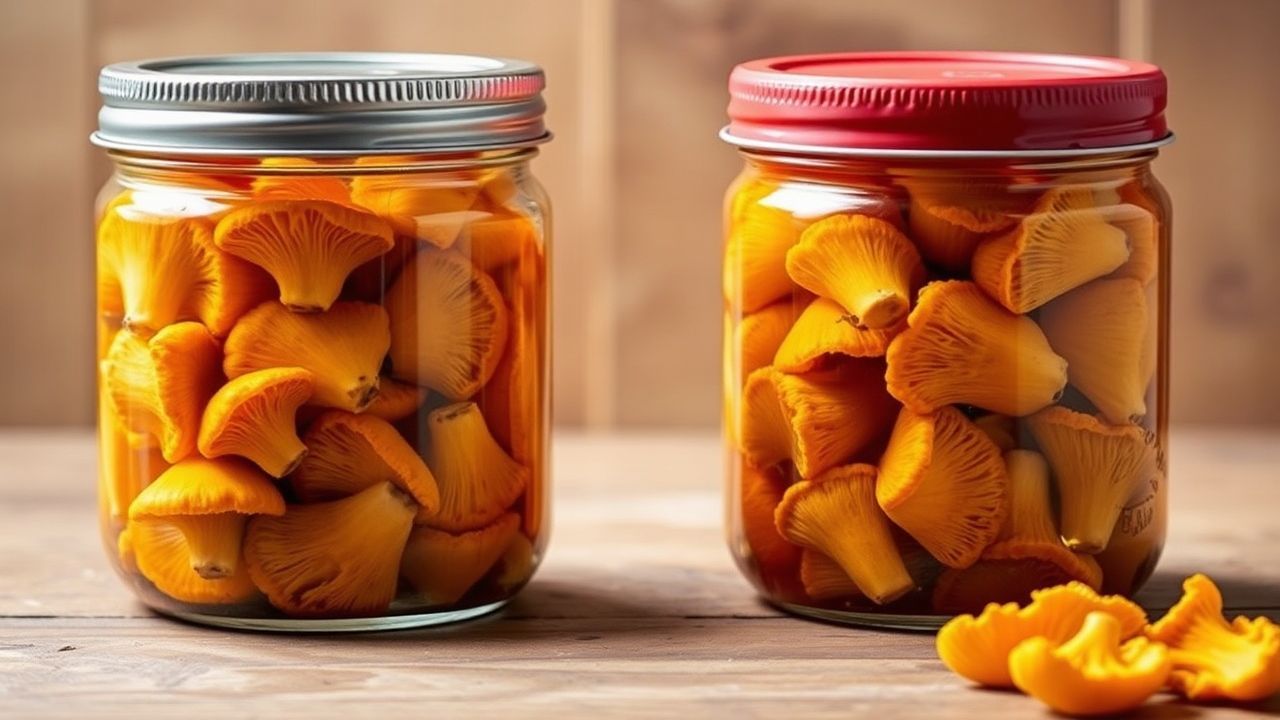
Jar of pickled chanterelles showcasing the golden fungi in flavorful brine

Q&A

Q&A: Pickled Chanterelles – A Flavorful Guide to Preserving Nature’s Gold

Q1: What makes chanterelles the “gold” of the forest?
A1: Chanterelles are often called nature’s gold because of their vibrant golden hue and prized, delicate flavor. These wild mushrooms are a seasonal treasure for foragers, celebrated for their fruity aroma and slightly peppery bite that adds magic to any dish.

Q2: Why pickle chanterelles instead of freezing or drying them?
A2: While freezing and drying are common preservation methods, pickling chanterelles unlocks a whole new realm of taste. The tangy brine enhances their natural earthiness, creating a complex flavor profile that’s both bright and savory. Plus, pickled chanterelles can be enjoyed straight from the jar, making them a convenient and delicious pantry staple.

Q3: What is the basic process of pickling chanterelles?
A3: The process involves gently cleaning the mushrooms, blanching them briefly to preserve texture, and then immersing them in a hot vinegar-based pickling solution infused with herbs, spices, and sometimes a touch of sweetness. After sealing in sterilized jars, the mushrooms soak in the brine, marrying flavors over time.

Q4: Which herbs and spices work best in pickled chanterelles?
A4: Traditional pickling spices like mustard seeds, peppercorns, bay leaves, and dill pair beautifully with chanterelles. Adding a hint of garlic or a sprig of thyme can elevate the mushrooms’ subtle fruity notes, resulting in a perfectly balanced jar of forest flavor.

Q5: How long do pickled chanterelles keep, and how should they be stored?
A5: Properly sealed pickled chanterelles can last for several months stored in a cool, dark place. Once opened, refrigerate and enjoy within a few weeks for the best taste and texture. The longer they mellow, the more harmonious and nuanced their flavor becomes.

Q6: What are some creative ways to enjoy pickled chanterelles?
A6: These golden gems add brightness to cheese boards, enliven salads, and complement roasted meats effortlessly. Try tossing them with fresh pasta or layering them on toasted sourdough with creamy goat cheese for a gourmet snack. Their versatility is as rich as their flavor.

Q7: Any tips for foragers wanting to pickle their own chanterelles?
A7: Harvest chanterelles early in the season when they’re firm and bright. Always clean them gently – avoid soaking, which can waterlog the delicate mushrooms. And remember: pickling is both an art and a science, so experiment with flavors until you find your perfect brine.

With their golden glow and distinctive taste, pickled chanterelles are a wonderful way to preserve a piece of the forest’s fleeting bounty-ready to savor all year round.

In Summary

As the final brine settles and the vibrant hues of your pickled chanterelles deepen, you’ve not only preserved a seasonal treasure but also captured a burst of forest magic ready to elevate any dish. Whether tucked into a sandwich, stirred into a creamy risotto, or enjoyed straight from the jar, these golden gems carry with them the essence of nature’s fleeting bounty. Embracing the art of pickling chanterelles is more than preservation-it’s a celebration of flavor, tradition, and the joy of savoring nature’s gifts well beyond their season. So, gather your foraging basket and jar of brine, and let the alchemy of pickling transform your chanterelle harvest into culinary gold that shines all year long.
Pickled Chanterelles: A Flavorful Guide to Preserving Nature's Gold

You Might Also Like

Unlocking the Secrets of the Italian Bean: A Culinary Gem

Mediterranean Salad Magic: Fresh, Flavorful, and Wholesome

Hearty Beef Stew Secrets: A Savory Comfort Classic Unveiled

Discover the Flavors of the Authentic Mexican Bake Delight

Wholesome Warmth: Crafting the Perfect Simple Chicken Soup

TAGGED:andflavorfulforguidepickledthe
Share This Article
Facebook Twitter Pinterest Whatsapp Whatsapp LinkedIn Telegram Threads
What do you think?
Love0
Sad0
Happy0
Sleepy0
Angry0
Dead0
Wink0
Previous Article Sticky Stems and Tiny Hooks: Spotting Cleavers Weed Easily Sticky Stems and Tiny Hooks: Spotting Cleavers Weed Easily
Next Article Foraging Goumi Berries: A Sweet Guide to Wild Harvesting Foraging Goumi Berries: A Sweet Guide to Wild Harvesting
Hearty One Pot Sausage & Bean Soup: Flavor in Every Spoon
One-Pot Meals
Crispy Delight: The Ultimate Fried Green Tomato Sandwich Guide
Southern Classics
Savor Garlic Butter Green Beans: A Flavorful Veggie Delight
Comfort Eats
Creamy Roasted Garlic Mashed Potatoes: A Savory Twist
Tasty Ideas

Most Viewed Posts

  • Soothing DIY Bath Salts with Dried Herbs & Blooms Guide (568)
  • Whip Up Magic: Homemade Butter for Perfect Baking Results (566)
  • Whip Up Creamy Buttermilk Ranch Dressing at Home Today (552)
  • Mastering Injera: The Art of Ethiopia’s Signature Bread (501)
  • Mastering the Art: How to Smoke Perfect Summer Sausage (465)

Tags

and art beef berry bread butter chicken crafting creamy crispy crunchy decadent diy easy flavorful fluffy for foraging guide hearty homemade how jam make master mastering mushroom nuts perfect savor savory sweet tangy the top turkey ultimate unlock unlocking why wild with yogurt your zesty

You Might Also Like

Brine vs. Dry Rub: Unlocking Flavor Secrets for Perfect Meat
Smoked Meats

Brine vs. Dry Rub: Unlocking Flavor Secrets for Perfect Meat

Dennis Powell Dennis Powell January 12, 2026
Crisp & Sweet: The Ultimate Guide to Dehydrated Apple Chips
Tomato Sauces

Crisp & Sweet: The Ultimate Guide to Dehydrated Apple Chips

Dennis Powell Dennis Powell January 12, 2026
Crafting Homemade Chicken Jerky: A Step-by-Step Guide
Homemade Jerky

Crafting Homemade Chicken Jerky: A Step-by-Step Guide

Dennis Powell Dennis Powell January 12, 2026
Wild Nuts Wonders: Elevate Your Cheese Board Flavorfully
Nuts & Acorns

Wild Nuts Wonders: Elevate Your Cheese Board Flavorfully

Dennis Powell Dennis Powell January 12, 2026
Savor the Flavor: Cheese & Herb Bread Pudding Recipe
Tasty Ideas

Savor the Flavor: Cheese & Herb Bread Pudding Recipe

Dennis Powell Dennis Powell January 12, 2026
Mastering Mushroom Tolerance: Step-by-Step Testing Guide
Wild Mushrooms

Mastering Mushroom Tolerance: Step-by-Step Testing Guide

Dennis Powell Dennis Powell January 12, 2026
Follow US
By Fimaw.com © All Rights Reserved.
  • Advertising Policy
  • Contact Us
  • Cookie Policy
  • Copyright Notice
  • Disclaimer
  • Privacy Policy
  • Terms of Service
Welcome Back!

Sign in to your account

Lost your password?