
By using this site, you agree to the Privacy Policy and Terms of Use.
Accept

CookHarvest

  • Home
  • About Us
  • Homemade Staples
    • Bread & Butter
    • DIY Dairy
    • Sauces & Condiments
    • Spice Mixes
  • Canning & Pickling
    • Jams & Jellies
    • Pickled Veggies
    • Chutneys & Relish
    • Tomato Sauces
  • Drying & Curing
    • Dehydrated Snacks
    • Homemade Jerky
    • Smoked Meats
    • Dried Herbs
  • Wild Foods
    • Wild Greens
    • Wild Mushrooms
    • Wild Berries
    • Nuts & Acorns
  • More
    • Tasty Ideas
    • American Home Meals
      • Comfort Eats
      • One-Pot Meals
      • Quick & Easy
      • Southern Classics
    • International Recipes
      • Asian Recipes
      • Italian Flavors
      • Mediterranean Flavors
      • Mexican Eats

CookHarvest

  • Home
  • About Us
  • Homemade Staples
  • Canning & Pickling
  • Drying & Curing
  • Wild Foods
  • More
Search
  • Home
  • About Us
  • Homemade Staples
    • Bread & Butter
    • DIY Dairy
    • Sauces & Condiments
    • Spice Mixes
  • Canning & Pickling
    • Jams & Jellies
    • Pickled Veggies
    • Chutneys & Relish
    • Tomato Sauces
  • Drying & Curing
    • Dehydrated Snacks
    • Homemade Jerky
    • Smoked Meats
    • Dried Herbs
  • Wild Foods
    • Wild Greens
    • Wild Mushrooms
    • Wild Berries
    • Nuts & Acorns
  • More
    • Tasty Ideas
    • American Home Meals
    • International Recipes
Follow US
  • Advertising Policy
  • Contact Us
  • Cookie Policy
  • Copyright Notice
  • Disclaimer
  • Privacy Policy
  • Terms of Service
By Fimaw.com
Preserving Fresh Flavor: The Art of Putting Up Tomatoes
CookHarvest > Blog > Canning & Pickling > Tomato Sauces > Preserving Fresh Flavor: The Art of Putting Up Tomatoes
Tomato Sauces

Preserving Fresh Flavor: The Art of Putting Up Tomatoes

Dennis Powell By Dennis Powell Published January 12, 2026
Share
SHARE

There’s a certain magic in capturing the vibrant essence of summer, and few things do it better than a jar brimming with home-preserved tomatoes. As the warm ripeness of fresh tomatoes begins to wane, the art of putting them up becomes a beloved ritual-a way to bottle sunshine, tang, and garden-fresh sweetness all year long. Preserving fresh flavor isn’t just about canning or freezing; it’s a creative dance of timing, technique, and a touch of patience that transforms fragile fruit into a pantry staple bursting with life. Join us as we explore the time-honored methods and modern tips for keeping your tomatoes tasting like a perfect summer day, no matter the season.

Contents
Selecting the Perfect Tomatoes for Lasting FreshnessMastering Essential Preparation Techniques for Optimal FlavorExploring Time-Honored Preservation Methods That Retain VibrancyTips and Tricks to Enhance Shelf Life Without Sacrificing TasteQ&AFinal Thoughts

Selecting the Perfect Tomatoes for Lasting Freshness

Preserving fresh flavor begins at the very moment you choose your tomatoes. Opt for firm, blemish-free tomatoes with a deep, vibrant color-whether ruby red, sun-kissed yellow, or glossy green-reflecting their peak ripeness and sweetness. Heirloom varieties often offer unparalleled depth of flavor and texture, making them ideal candidates for preservation. Avoid overly soft or bruised fruits as these will not hold well during storage. When possible, buy local, vine-ripened tomatoes to capture authentic freshness that will endure beyond the season.

Mastering Essential Preparation Techniques for Optimal Flavor

The transformative journey from fresh tomato to preserved delight hinges on preparation. Begin by washing your tomatoes gently in cool water to remove any dirt or residues. For canning or drying, peeling is often essential: a quick blanch in boiling water for 30 seconds followed by an ice bath makes skins slip off effortlessly. Core and remove seeds if a smoother texture is desired, especially in sauces and jams. Chopping uniformly ensures even cooking and consistent flavor release. Layer in a pinch of sea salt early to enhance natural sweetness before proceeding to cooking or canning.

Exploring Time-Honored Preservation Methods That Retain Vibrancy

Timeless techniques like canning, freezing, drying, and fermenting are your best allies in locking in the bright, fresh flavor of tomatoes. Water bath canning is superb for salsas and sauces, creating shelf-stable jars infused with summer sunshine. Freezing diced tomatoes with minimal liquid preserves their juicy texture for winter stews. Sun-drying or oven-drying concentrates natural sugars, perfect for salad toppings or rehydrated dishes. Fermentation not only preserves but introduces complex tang and probiotics. Each method respects the tomato’s integrity, ensuring your preserved tomatoes retain that unmistakable garden-fresh tang and richness.

Tips and Tricks to Enhance Shelf Life Without Sacrificing Taste

To extend shelf life gracefully, store canned tomatoes in a cool, dark place and sealed tightly to prevent oxidation and spoilage. When freezing, use airtight containers or vacuum-sealed bags to avoid freezer burn. Adding a dash of lemon juice or citric acid when canning is crucial to maintain acidity and safety. Consider layering tomato products with fresh herbs like basil or oregano, which not only elevate taste but act as natural antioxidants. Label your preserved goods with dates to track freshness, and always visually inspect before use. These small, deliberate steps ensure your tomatoes maintain their juicy essence long after harvest.

Prep and Cook Time

  • Preparation: 30 minutes
  • Cook Time (varies by method): 20-60 minutes
  • Cooling and Setting: Up to 24 hours

Yield

Approximately 6-8 pints of preserved tomatoes (depending on method and tomato size)

Difficulty Level

Medium – Accessible for beginners with attention to detail and perfect for seasoned culinary enthusiasts

Ingredients

  • 5 lbs fresh, ripe tomatoes (heirloom varieties recommended)
  • 1 tbsp sea salt (adjust to taste)
  • 1 tbsp lemon juice or food-grade citric acid (for canning acidity)
  • Optional: fresh basil leaves, oregano sprigs, or garlic cloves for infusion
  • Water (for blanching and sterilizing jars)

Instructions

  1. Prepare Tomatoes: Rinse tomatoes under cold water. Using a paring knife, core out the stem-end. Score a shallow ‘X’ on the bottom of each tomato for easy peeling.
  2. Blanch and Peel: Submerge tomatoes in boiling water for 30 seconds until skins loosen. Immediately transfer to an ice bath. Peel skins from softened areas with your fingers or a small knife.
  3. Optional Seed Removal: Cut peeled tomatoes in half and gently scoop out seeds if a smoother texture is desired.
  4. Chop Uniformly: Dice tomatoes into even pieces or crush by hand for sauces. Add sea salt to draw out flavor during resting (about 10 minutes).
  5. Prepare Jars and Utensils: Sterilize canning jars and lids by boiling or using a dishwasher sterilize cycle to prevent contamination.
  6. Canning Method: Combine tomatoes and lemon juice in a large pot, bring to a simmer, skimming foam. Ladle hot tomatoes into jars leaving a 1/2-inch headspace. Wipe rims, apply lids, and process in a boiling water bath for 35 minutes.
  7. Freezing Method: Portion chopped tomatoes into freezer-safe containers, leaving space to expand. Seal tightly and freeze immediately.
  8. Drying Method: Spread halved or quartered tomatoes on dehydrator trays (skin side up). Dry at 135°F for 8-12 hours until leathery but pliable.
  9. Cooling and Storage: Let canned jars cool undisturbed for 12-24 hours. Check seals before storing. Label all containers with date and method.

Tips for Success

  • Choose tomatoes with uniform ripeness to ensure consistent texture.
  • When canning, acidify tomatoes properly with lemon juice or citric acid to prevent botulism risk.
  • Use clean, sterilized equipment to extend shelf life.
  • For richer flavor, add fresh herbs or roasted garlic during the simmering stage.
  • Freezing is the simplest preservation method maintaining fresh flavor but is best used within 6 months.
  • Label all preserved tomatoes clearly with dates to maintain freshness awareness.

Serving Suggestions

Preserved tomatoes shine in a myriad of dishes. Spoon canned tomatoes over freshly cooked pasta, stir frozen tomatoes into winter soups, or rehydrate dried tomatoes to sprinkle over salads. Garnish with fresh basil leaves or a drizzle of high-quality extra virgin olive oil to boost aroma and presentation. Toasted bread rubbed with garlic and topped with tomato preserves makes a simple yet elegant appetizer. This bounty of preserved flavor will elevate seasonal menus year-round.

Nutrient Per 100g Preserved Tomatoes
Calories 35 kcal
Protein 1.2 g
Carbohydrates 7.0 g
Fat 0.2 g

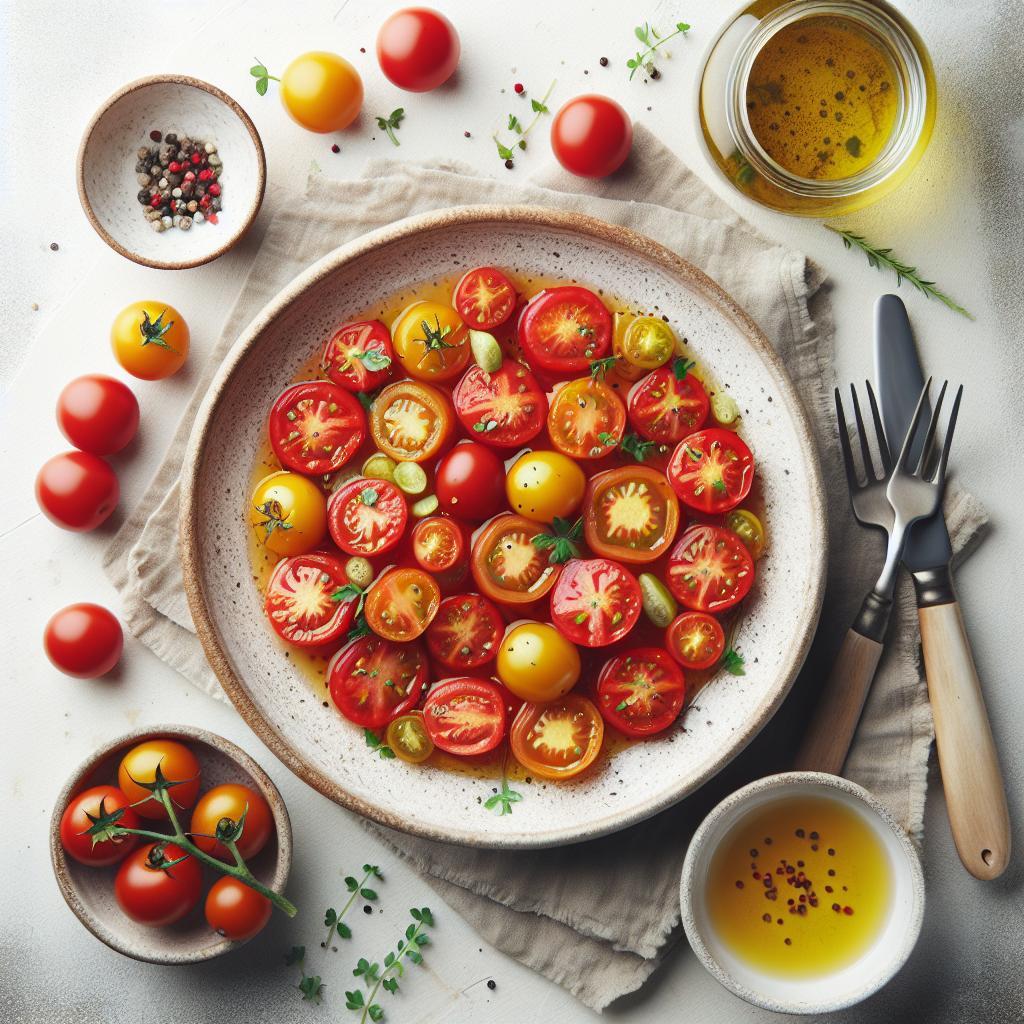
Preserving fresh flavor with perfectly preserved tomatoes

For deeper insights on canning vegetables at home or comprehensive canning safety guidelines, visit USDA Food Safety and Inspection Service.

Q&A

Q&A: Preserving Fresh Flavor – The Art of Putting Up Tomatoes

Q1: Why is it important to “put up” tomatoes?
A1: Putting up tomatoes is a timeless culinary ritual that captures the sun-kissed essence of summer for enjoyment all year round. By preserving their fresh flavor, you turn fleeting harvests into pantry treasures, ensuring juicy bursts of tomato goodness can brighten your dishes long after the season ends.

Q2: What does “putting up” tomatoes actually mean?
A2: “Putting up” is an old-fashioned phrase for preserving or canning tomatoes. It involves carefully preparing, processing, and storing tomatoes so their vibrant taste and texture remain intact. Whether through canning, freezing, or drying, this art keeps the tomato’s essence alive beyond its prime.

Q3: Which tomato varieties work best for putting up?
A3: Heirlooms, Roma, Plum, and Beefsteak varieties steal the spotlight. Their dense flesh and robust flavor profiles withstand preservation well, promising a burst of sweetness or tanginess whenever you open the jar or bag.

Q4: What are the essential steps in preserving fresh tomatoes?
A4: The journey begins with selecting ripe, blemish-free tomatoes, washing them clean, and blanching to loosen the skin. Then, peel, core, and decide your method-be it canning whole, making luscious sauce, or freezing in cubes. Proper sterilization of jars, precise timing in processing, and airtight sealing are the final strokes that guarantee lasting freshness.

Q5: How does canning preserve tomato flavor?
A5: Canning locks tomatoes in a vacuum-sealed glass jar, preventing oxidation and bacterial growth. The heat process kills microbes but careful temperature control protects the nuanced flavor. This gentle preservation skill ensures that the bright, tangy notes and subtle sweetness of fresh tomatoes survive into winter soups, stews, and sauces.

Q6: What about freezing tomatoes-is that a good option?
A6: Absolutely! Freezing is a faster, simpler way to preserve tomatoes’ lovely flavor and nutritional punch. Whether you freeze whole, chopped, or as sauce, the cold halts enzymatic activity that would otherwise degrade taste. Just remember to use airtight containers or freezer bags to prevent freezer burn.

Q7: Are there creative ways to put up tomatoes beyond the classics?
A7: Indeed! From sun-dried tomatoes packed in olive oil to tangy fermented tomato chutneys, the art of putting up offers endless canvases. You might experiment with herb-infused tomato jams or slow-roasted tomato compotes-each preserving fresh flavor in uniquely delicious ways.

Q8: How long can preserved tomatoes be stored safely?
A8: When properly canned and sealed, tomatoes can last 12 to 18 months on your pantry shelf. Frozen tomatoes keep their best quality for up to 6 months. For sun-dried or oil-packed tomatoes, refrigeration adds months of shelf life. Always check jars for seal integrity and signs of spoilage before use.

Q9: What’s the best advice for beginners wanting to try putting up tomatoes?
A9: Start simple-try water bath canning whole peeled tomatoes or freezing chopped tomatoes. Use trusted recipes and sterilize your equipment diligently. Patience and practice are your allies; each batch hones your skill, turning this humble fruit into a preserved masterpiece.

Q10: Can preserving tomatoes enhance your cooking?
A10: Absolutely! Homemade preserved tomatoes boast an intensified, homegrown taste that supermarket jars rarely match. From winter pasta sauces to summer-style gazpacho anytime you please, putting up tomatoes elevates your culinary artistry with fresh flavor ready at a moment’s notice.

Final Thoughts

As the summer sun fades and the harvest season draws to a close, the vibrant taste of fresh tomatoes need not slip away with the warmth of the day. Mastering the art of putting up tomatoes is more than a preservation technique-it’s a way to capture a moment in time, a burst of sunshine sealed into every jar. Whether you’re canning, drying, or freezing, each method holds the promise of future meals kissed by summer’s essence. So, embrace the ritual, relish the process, and let your pantry become a treasure trove of fresh flavor, ready to brighten your table long after the last tomato has been picked.
Preserving Fresh Flavor: The Art of Putting Up Tomatoes

You Might Also Like

Unlocking the Secrets of the Italian Bean: A Culinary Gem

Mediterranean Salad Magic: Fresh, Flavorful, and Wholesome

Hearty Beef Stew Secrets: A Savory Comfort Classic Unveiled

Discover the Flavors of the Authentic Mexican Bake Delight

Wholesome Warmth: Crafting the Perfect Simple Chicken Soup

TAGGED:andfreshpreservingthetomatoes
Share This Article
Facebook Twitter Pinterest Whatsapp Whatsapp LinkedIn Telegram Threads
What do you think?
Love0
Sad0
Happy0
Sleepy0
Angry0
Dead0
Wink0
Previous Article Churn Charm: A Step-by-Step Guide to Making Goat Butter Churn Charm: A Step-by-Step Guide to Making Goat Butter
Next Article Crunchy Creations: Homemade Granola Using a Dehydrator Crunchy Creations: Homemade Granola Using a Dehydrator
Hearty One Pot Sausage & Bean Soup: Flavor in Every Spoon
One-Pot Meals
Crispy Delight: The Ultimate Fried Green Tomato Sandwich Guide
Southern Classics
Savor Garlic Butter Green Beans: A Flavorful Veggie Delight
Comfort Eats
Creamy Roasted Garlic Mashed Potatoes: A Savory Twist
Tasty Ideas

Most Viewed Posts

  • Soothing DIY Bath Salts with Dried Herbs & Blooms Guide (567)
  • Whip Up Magic: Homemade Butter for Perfect Baking Results (565)
  • Whip Up Creamy Buttermilk Ranch Dressing at Home Today (551)
  • Mastering Injera: The Art of Ethiopia’s Signature Bread (500)
  • Mastering the Art: How to Smoke Perfect Summer Sausage (464)

Tags

and art beef berry bread butter chicken crafting creamy crispy crunchy decadent diy easy flavorful fluffy for foraging guide hearty homemade how jam make master mastering mushroom nuts perfect savor savory sweet tangy the top turkey ultimate unlock unlocking why wild with yogurt your zesty

You Might Also Like

Brine vs. Dry Rub: Unlocking Flavor Secrets for Perfect Meat
Smoked Meats

Brine vs. Dry Rub: Unlocking Flavor Secrets for Perfect Meat

Dennis Powell Dennis Powell January 12, 2026
Crisp & Sweet: The Ultimate Guide to Dehydrated Apple Chips
Tomato Sauces

Crisp & Sweet: The Ultimate Guide to Dehydrated Apple Chips

Dennis Powell Dennis Powell January 12, 2026
Crafting Homemade Chicken Jerky: A Step-by-Step Guide
Homemade Jerky

Crafting Homemade Chicken Jerky: A Step-by-Step Guide

Dennis Powell Dennis Powell January 12, 2026
Wild Nuts Wonders: Elevate Your Cheese Board Flavorfully
Nuts & Acorns

Wild Nuts Wonders: Elevate Your Cheese Board Flavorfully

Dennis Powell Dennis Powell January 12, 2026
Savor the Flavor: Cheese & Herb Bread Pudding Recipe
Tasty Ideas

Savor the Flavor: Cheese & Herb Bread Pudding Recipe

Dennis Powell Dennis Powell January 12, 2026
Mastering Mushroom Tolerance: Step-by-Step Testing Guide
Wild Mushrooms

Mastering Mushroom Tolerance: Step-by-Step Testing Guide

Dennis Powell Dennis Powell January 12, 2026
Follow US
By Fimaw.com © All Rights Reserved.
  • Advertising Policy
  • Contact Us
  • Cookie Policy
  • Copyright Notice
  • Disclaimer
  • Privacy Policy
  • Terms of Service
Welcome Back!

Sign in to your account

Lost your password?