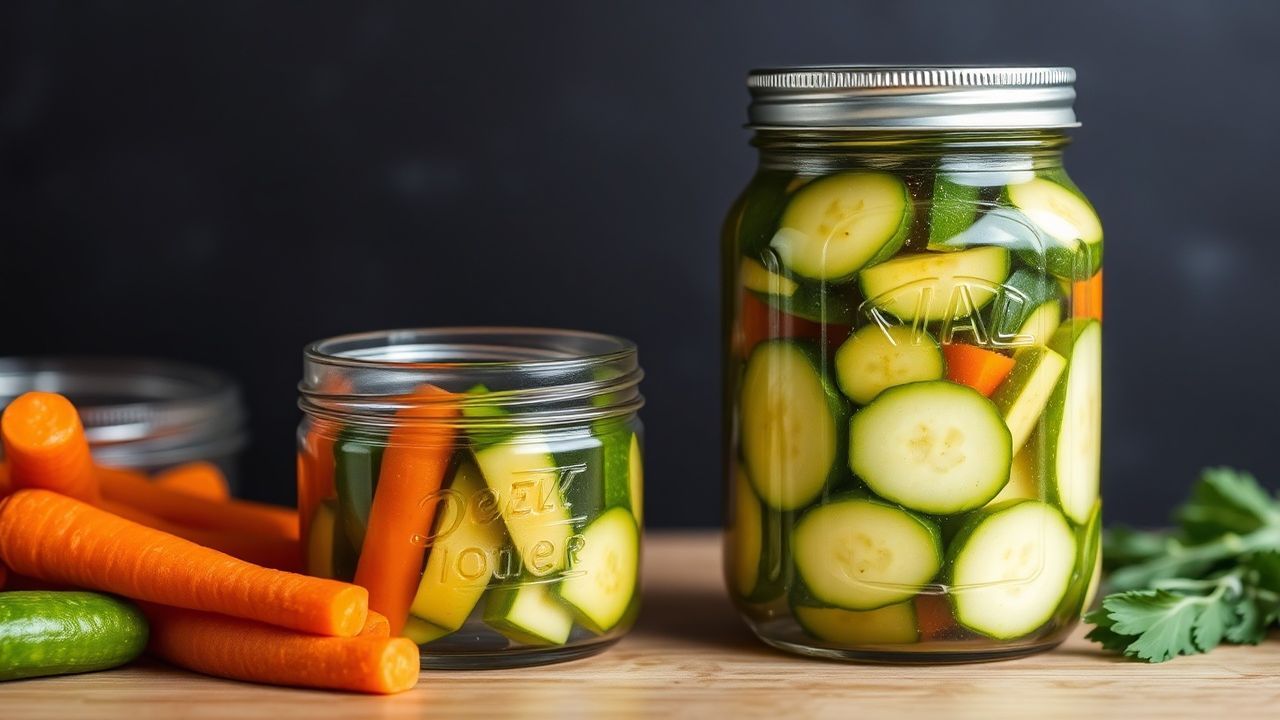

Quick Pickles: The Refrigerator Magic Explained
There is a little magic tucked in your fridge that turns cucumbers, carrots, radishes, and more into bright, tangy bites in hours. With a simple brine and cold storage, quick pickles deliver big flavor without fermentation or canning.
- Fast and reliable: Flavorful jars ready in hours instead of weeks.
- Crisp texture: Techniques preserve crunch while adding tang.
- Versatile use: Boost sandwiches, salads, and boards with minimal fuss.
- Safe method: Acid and refrigeration control spoilage when done properly.
The Science of Speedy Pickling
Quick pickling relies on acid and salt to change flavor and slow spoilage rather than long fermentation. A vinegar-based brine reduces pH and halts many spoilage microbes, which lets you create safe, flavorful pickles in the refrigerator.
The process uses physical forces such as osmosis and chemical action from vinegar. Salt draws water out of plant cells and helps the brine penetrate quickly, while acid stabilizes the environment so bacteria cannot proliferate at refrigerator temperatures.
Essential Components for Perfect Quick Pickles
Brine Basics
The brine is the functional core: typically vinegar, water, salt, and optional sugar. Balancing acid to water and dissolving the salt and sugar ensures consistent flavor and predictable preservation characteristics.
Commonly, cooks start with a 1:1 ratio of vinegar to water and add salt and sugar by taste. Use non-iodized salt such as kosher or pickling salt to avoid cloudiness and off-flavors, and choose a vinegar that supports the profile you want—apple cider for fruitiness, rice vinegar for subtlety.
Vegetable Selection and Preparation
Firm, fresh vegetables give the best crunch; think cucumbers, carrots, radishes, onions, beans, and cauliflower. Cut items uniformly so brine contact and flavor uptake stay even across the jar.
Pre-salting or a short ice-water soak helps maintain crispness for softer vegetables like cucumbers; for dense roots such as carrots, thin slicing or julienne speeds penetration. For background on traditional methods and context, see pickling.
Flavor Enhancers: Herbs and Spices
Herbs and spices convert a simple brine into a signature pickle. Fresh dill, smashed garlic, mustard seed, peppercorns, coriander, and bay leaf provide distinct aromatic layers that infuse quickly.
Use whole spices rather than ground forms so the flavors unfold over days rather than overpowering immediately. Small tweaks such as a cinnamon stick or turmeric pinch can change color and aroma, so experiment conservatively on small batches first.
The Simple Process: Step-by-Step
Follow a clear process to achieve consistent results: prepare brine, pack jars, add brine, seal, refrigerate. Each step affects texture, flavor, and shelf life.
Below is a concise, practical workflow that professional test kitchens use for reliable refrigerator pickles.
- Prepare the Brine: Combine vinegar and water in a saucepan, add salt and optional sugar, and heat briefly while stirring until dissolved. Remove from heat and let the brine cool to room temperature unless you prefer to pour a hot brine for slightly accelerated infusion.
- Pack the Jar: Clean jars thoroughly. Pack sliced vegetables into the jar without crushing them and layer aromatics—herbs, garlic, and whole spices—among the vegetables to ensure even distribution.
- Add the Brine: Pour cooled (or hot, if using that method) brine to fully cover the vegetables, leaving about 1/2 inch headspace. Press vegetables down to remove trapped air bubbles and make sure all pieces sit below the brine line.
- Seal and Refrigerate: Close jars tightly and place them in the refrigerator. Allow a minimum of two hours for basic flavor development; for best depth, refrigerate overnight before eating.
- Use and Shelf Life: Store refrigerated. Quick pickles usually maintain best quality for 2 to 4 weeks; use within two weeks for optimal crunch and flavor.
Expert Tips for Ultimate Quick Pickles
Batch control: Make small test jars before scaling a new flavor combination. Small-batch testing prevents wasted produce and helps dial spice levels precisely.
Tool choices: Use non-reactive cookware (stainless steel) for brine and clean glass jars with tight lids to prevent off-odors and provide a reliable seal for refrigeration.
Layering technique matters: place hardy aromatics like peppercorns and mustard seed at the bottom of the jar, and soft herbs near the top to protect their volatile oils. Gentle shaking after the first few hours helps redistribute flavors evenly without bruising delicate slices.
Customization is Key
Quick pickles are a platform for creativity: vary vinegars, sweeteners, and spices to match specific dishes. Use apple cider for sweeter profiles or rice vinegar for milder acidity when pairing with Asian-inspired meals.
Explore internal resources like our preserving basics and recipes in the homemade condiments category for tested flavor maps and pairing ideas. Start small and adjust brine ratios or spice amounts, noting each change for reproducible results.
Storage and Shelf Life
Quick pickles stay in the refrigerator and do not undergo full fermentation or heat canning unless specifically processed. Proper cold storage, consistent acidity, and clean handling together prevent spoilage.
Expect best flavor and crunch within the first two weeks; many jars remain pleasant up to four weeks but may lose texture and develop off-notes afterward. Always discard jars that show cloudiness, sliminess, or unpleasant odors.
Nutritional Snapshot of Quick Pickles
Quick pickles are low in calories and provide a concentrated flavor lift with minimal macronutrient load. A typical 100 g serving often contains under 15 calories, negligible fat, and modest carbohydrates mostly from added sugar.
Sodium can be significant depending on the recipe; adjust salt levels for dietary needs. Quick pickles differ from fermented types that harbor live cultures—see fermentation—so they may not always deliver probiotic benefits unless specifically fermented first.
Serving Suggestions: Beyond the Sandwich
Quick pickles brighten rich or fatty foods by adding acid and crunch. Add them to sandwiches, tacos, and burgers or use them as an acidic counterpoint on cheese and charcuterie boards.
Grind a few pickled slices into relishes or chop and fold into salads and spreads for immediate flavor layers. Garnish grilled fish or roasted meats with finely sliced pickles for contrast and textural interest.
FAQ
Q1: What is the difference between quick pickles and fermented pickles?
Quick pickles use vinegar and refrigeration for immediate acidification and flavor. Fermented pickles depend on naturally occurring lactic acid bacteria over days to weeks to develop acidity and live cultures.
Q2: Can I reuse store-bought pickle brine safely?
Reusing brine can be tempting, but it often becomes diluted and may carry microbes from the original jar. For consistent safety and flavor, prepare fresh brine for each new batch.
Q3: How long before I can eat quick pickles?
Small slices can show good flavor in two hours, but most recipes taste best after several hours or overnight in the refrigerator. The longer they sit (up to two weeks), the more the flavor deepens.
Q4: Do quick pickles need to be refrigerated?
Yes. Without canning or extended fermentation, quick pickles require cold storage to control microbial growth. Keep jars refrigerated and use within the recommended timeframe.
Q5: Which vegetables make the best quick pickles?
Choose crisp vegetables: cucumbers, carrots, radishes, red onions, green beans, cauliflower, and bell peppers work very well. Uniform cuts help the brine penetrate evenly and produce consistent texture.
See also: Quick pickles