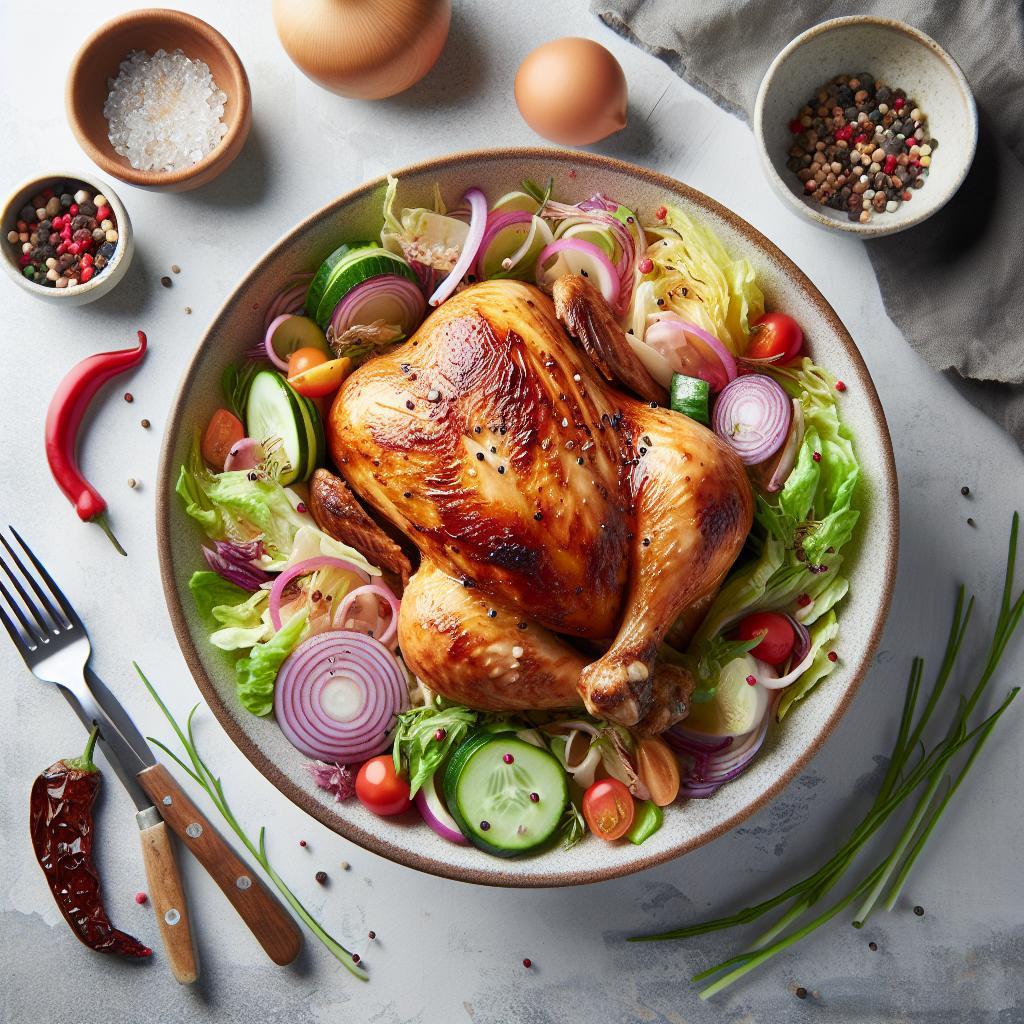

The tender meat, the crisp skin, the savory aroma—rotisserie chicken gives you a lot for your money. When leftovers remain, you can convert them into new, vibrant meals with minimal effort and maximum flavor.
- Save time: reuse cooked protein to build quick dinners.
- Boost flavor: add fresh herbs, acids, or sauces to revive the meat.
- Stretch groceries: turn one bird into multiple dinners and lunches.
- Freeze-friendly: many revamped dishes store and reheat well.
Elevate Your Leftover Rotisserie Chicken with Flavor-Packed Combos
Leftover rotisserie chicken forms a neutral, seasoned base that pairs well with many culinary techniques. Use bright acids like lemon or vinegar, roasted aromatics, and crunchy textures to create contrast and depth.
For technical context, the rotisserie method promotes even cooking and skin crisping due to dry-heat roasting, which leaves usable, flavorful protein. See rotisserie cooking for a concise overview of the technique and its benefits.
Chicken & Greens Salad Recipe
This chicken-and-greens salad converts three cups of shredded rotisserie meat into a balanced meal. The recipe focuses on texture contrast—creamy avocado, crunchy nuts, and juicy fruit—paired with a simple vinaigrette.
Nutrition-wise, combining lean protein with leafy greens increases satiety and delivers micronutrients at low calorie cost. For background on chicken as a dietary staple, consult chicken as food.
Prep and Cook Time
Prep Time: 15 minutes. The chicken is already cooked, so you only assemble and dress the salad.
Cook Time: None. Cold assembly keeps textures fresh and minimizes time to table.
Yield
Serves 4 generously. Portion sizes adapt well; reserve dressing to avoid soggy greens if storing for later.
If you plan to serve a crowd, double the greens and nuts but keep the chicken ratio similar for balance.
Difficulty Level
Easy. The technique relies on basic knife skills and a light hand when dressing salad so greens stay crisp.
Use pre-washed greens and pre-cut vegetables to save time without sacrificing quality.
Ingredients
- 3 cups shredded leftover rotisserie chicken
- 6 cups mixed baby greens (arugula, spinach, romaine)
- 1 cup halved cherry tomatoes
- 1 medium avocado, diced
- 1/2 cup toasted pecans or walnuts
- 1/3 cup crumbled feta cheese (feta)
- 1/4 cup thinly sliced red onion
- 1/2 cup fresh blueberries or pomegranate seeds
- 2 tablespoons extra virgin olive oil (olive oil)
- 1 tablespoon balsamic vinegar
- 1 teaspoon honey
- Salt and freshly ground black pepper, to taste
Instructions
- Prepare the dressing: Whisk olive oil, balsamic vinegar, honey, salt, and pepper until emulsified.
- Assemble the base: Toss greens, tomatoes, avocado, and onion in a large bowl to mix textures evenly.
- Add chicken and crunch: Fold in shredded chicken and toasted nuts for protein and bite.
- Crumble and dress: Scatter feta and berries, then drizzle dressing lightly to avoid wilting the greens.
- Toss gently: Use tongs to combine everything evenly, tasting and adjusting seasoning.
- Serve: Plate immediately or cover and refrigerate for up to 30 minutes for peak freshness.
Tips for Success
For a nut-free version, replace nuts with toasted pumpkin or sunflower seeds for similar crunch. Keep seeds separate if packing lunches to retain crispness.
If you want a creamier dressing, stir in a tablespoon of Greek yogurt to the vinaigrette. That builds body without masking the chicken’s seasoning.
Serving Suggestions
Pair this salad with warm whole-grain bread or pita. A squeeze of lemon brightens the dish and balances richer components like feta.
For a beverage, choose something light such as sparkling water with mint or a chilled, unoaked white wine to complement acidity and texture.

| Nutrient | Per Serving |
|---|---|
| Calories | 320 |
| Protein | 32g |
| Carbohydrates | 10g |
| Fat | 15g |
Other Creative Leftover Uses
Leftover rotisserie chicken adapts to many cuisines: fold into quesadillas, stir into coconut curries, toss with grains for a pilaf, or layer into a pot pie. Each technique changes texture and flavor profile without extra primary cooking.
When you re-season the meat—using spices like smoked paprika, cumin, or freshly chopped herbs—you reset the palate. This approach keeps meals interesting and reduces food waste.
Make-Ahead and Freezer Strategies
Many revamped dishes freeze well. Curry, casseroles, and pot pies reheat cleanly if you portion them in airtight containers and label with dates.
For safety, cool cooked food quickly and freeze within two hours. For background on safe storage and freezing guidelines consult food preservation.
Q&A
This Q&A answers common questions and offers practical solutions for everyday cooks. Use these tips to save time and improve flavor when repurposing cooked poultry.
Answers focus on technique, safety, and flavor pairing to help you choose the best next-step for your leftovers.
Q1: Why revamp leftover rotisserie chicken instead of reheating it?
A1: Revamping gives you fresh texture and flavor contrasts that simple reheating cannot. Reheating often dries meat; adding sauces, acids, or mixing with vegetables restores moisture and interest.
Q2: What quick meals work best with leftover rotisserie chicken?
A2: Quick options include chicken quesadillas, grain bowls with roasted vegetables, omelets, and pasta tossed with a light sauce. Each uses the cooked protein for speed and versatility.
Q3: How do I make cooked chicken more flavorful?
A3: Add herbs (cilantro, basil), acids (lemon, vinegar), and spices (paprika, cumin). Marinating briefly or tossing in a warm sauce helps the meat absorb new flavors.
Q4: Are these revamped meals healthy?
A4: Yes. Rotisserie chicken provides lean protein; pairing it with vegetables and whole grains yields balanced meals. Control added fats and sugars to keep the dish nutritious.
Q5: Can I freeze these revamped meals for later?
A5: Many can freeze well—especially stews, curries, and casseroles. Store in single portions for faster reheating and to reduce waste.
Future Outlook
One leftover rotisserie chicken can produce a week of varied meals if you plan components thoughtfully. Think in terms of textures, temperature, and flavor axes to transform simple protein into new dishes.
Embrace small technique tweaks—like toasting nuts, acidified dressings, or quick pan-sautés—to make leftovers feel freshly made. These modest adjustments increase enjoyment and cut food costs.
FAQ
How long is leftover rotisserie chicken safe to eat?
Store cooked chicken in the refrigerator and eat within 3-4 days. Freeze if you need to keep it longer; properly frozen chicken retains quality for several months.
Can I use dark and white meat interchangeably in recipes?
Yes. Dark meat provides more fat and richness; white meat is leaner. Adjust sauces and seasonings to balance their textures and moisture levels.
What sauces revive dry chicken best?
Moisture-rich sauces—tomato-based, coconut curry, or cream sauces—rehydrate and add flavor. Heat gently with a splash of stock to avoid overcooking.
Which herbs pair best with rotisserie chicken?
Parsley, cilantro, basil, and tarragon complement the chicken’s savory profile. Use chopped herbs at the end of cooking for freshness.
Can I use leftover chicken in cold meals for meal prep?
Absolutely. Salads, wraps, and grain bowls store well when ingredients remain separate until serving. Pack dressing on the side to preserve crunch.
See also: rotisserie chicken