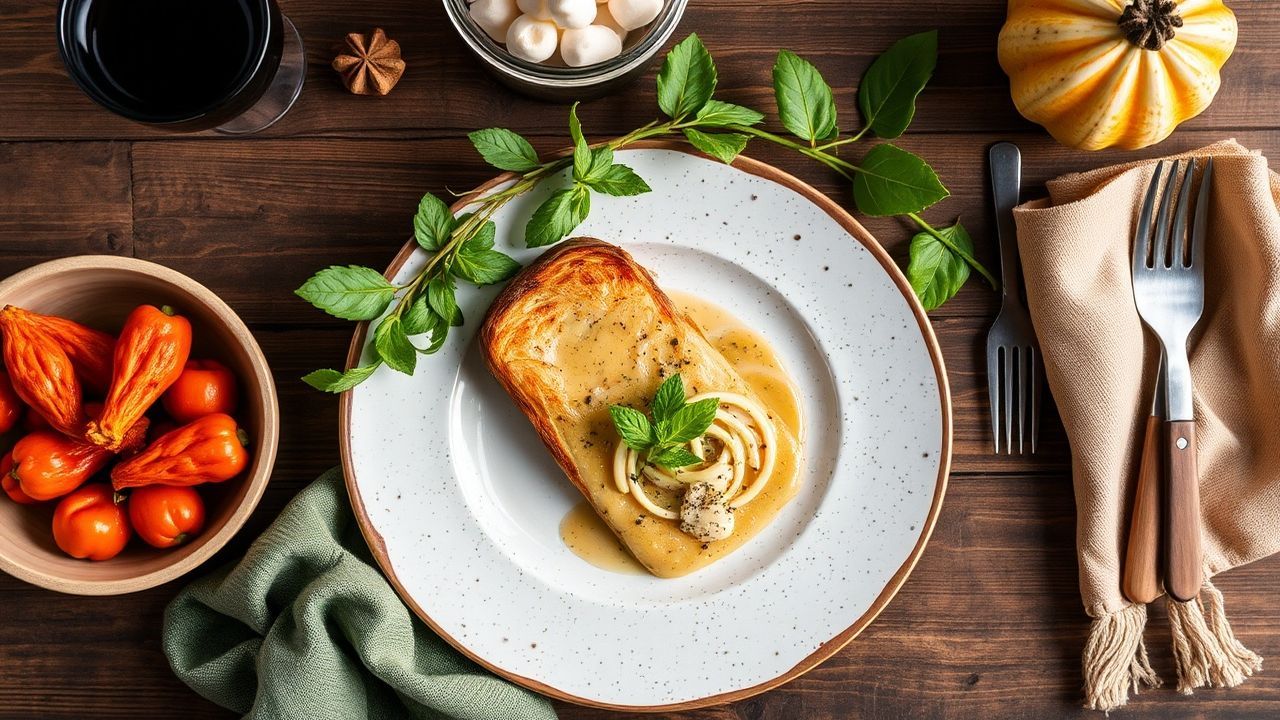

Rustic presentation transforms ordinary food into a warm, memorable experience by emphasizing tactile serveware, seasonal produce, and relaxed, generous plating that invites sharing.
- At a glance: Use textured serveware and earth tones to signal warmth and hospitality.
- Ingredient-led: Prioritize seasonality and clear technique to showcase flavor and texture.
- Practical plating: Layer components for contrast and offer family-style options for convivial dining.
- Careful finishes: Bright acids and toasted nuts lift roasted dishes without fuss.
What is rustic presentation style?
Rustic presentation is a plating approach that favors natural forms and tactile materials over precise, symmetrical arrangements. It celebrates visible textures, seasonal produce, and a hand-made aesthetic that signals generosity.
Practitioners use unglazed stoneware, wooden boards, and matte metals to frame food in a low-polish context. For background on the visual aspects of plating, see food presentation theory.
Core elements of rustic plating
Serveware selection anchors the look: unpolished wood, cast iron, and matte stoneware provide a grounded backdrop that accentuates roasted edges and crisp textures. Those materials also influence how juices and sauces are handled on the plate.
Texture and color provide directional cues for the diner. A mix of roasted browns, glossy pan juices, bright green herbs, and crunchy elements creates a coherent sensory map on the plate.
Serveware, textures, and color decisions
Choose boards, shallow bowls, or wide platters to encourage communal sharing and to allow layered ingredients to sit naturally. Flat, low-profile pieces make it easier to build visible piles without forcing symmetry.
Contrast textures deliberately: crisp bread, silky roasted squash, and crumbly cheese deliver a satisfying mouthfeel range. If you want reference notes on specific ingredients used here, review entries for butternut squash, mushrooms, and sourdough.
Recipe: Roasted Carrot and Butternut Rustic Board
This recipe demonstrates how rustic presentation channels seasonality and texture into an approachable board for four people. It focuses on caramelized roots, sautéed wild mushrooms, toasted walnuts, and thick sourdough for contrast.
Method highlights: roast until caramelized, sweat mushrooms just until fragrant, and assemble components warm so they read as freshly plated. For a quick reference to assembly steps, follow the internal guide at Roasted Carrot & Butternut recipe.
Prep and cook times
Prep Time: 20 minutes. Trim and peel vegetables, preheat the oven, and ready your serveware to receive hot components. Small prep routines keep the final plate lively and immediate.
Cook Time: 35 minutes. The roasting window and a short mushroom sauté are efficient and scale well for family-style service. Timing keeps texture—soft squash, crunchy nuts—distinct on the board.
Yield and difficulty
Yield: Serves 4 as a main with sides or 6 as a shareable starter. Pair with toasted sourdough and optional crumbled cheese for fuller portions.
Difficulty: Medium. The techniques are straightforward but demand attention to caramelization and moisture control to avoid sogginess on wooden serveware.
Ingredients
2 cups heirloom carrots, peeled and sliced; 1 cup roasted butternut squash cubes; 1/2 cup toasted walnuts, roughly chopped; 1 cup mixed wild mushrooms; olive oil; maple syrup; smoked paprika; salt; and freshly ground pepper. Add fresh thyme and optional crumbled goat cheese or feta.
Toast sourdough slices before serving and keep any creamy elements separate when offering the board family-style. For more ideas that follow this approach, see the Rustic plating tag on our site.
Instructions
Preheat the oven to 400°F (200°C). Toss carrots and butternut squash with olive oil, maple syrup, smoked paprika, salt, and pepper; arrange in a single layer and roast until golden at the edges, about 25–30 minutes.
While the vegetables roast, heat remaining oil in a skillet and sauté the mushrooms for 5–7 minutes until soft and fragrant. Season lightly with salt and pepper.
Toast walnuts in a dry pan for 2–3 minutes with a pinch of salt to enhance crunch and flavor. Assemble by placing roasted squash and carrots first, then scatter mushrooms and walnuts; finish with thyme sprigs and cheese if using.
Practical plating techniques
Layer intentionally: place the bulk item first, then add accent textures and finish herbs. Keep sauces drizzled rather than pooled so the board reads relaxed, not wet.
Use color and small height contrasts to create focal points. A wedge of toasted sourdough or a sprig of thyme near the vegetable pile gives the eye a rest and guides the first bite.
Reserve fresh aromatics until plating to keep them bright and aromatic. Aromatics that are added too early will wilt and read as afterthoughts rather than intentional finishes.
Tips for success
Plan components with contrasting textures and temperatures. Temperature contrast—warm roasted veg next to room-temperature cheese or crisp toasted bread—enhances perceived freshness and complexity.
Balance with acid and smoke. A light vinegar drizzle or a scatter of bright herbs prevents the plate from feeling one-note. A hint of smoked paprika or char adds savory depth.
Substitute freely to reflect season and availability. If wild mushrooms are scarce, caramelized shallots or roasted pearl onions offer similar earthiness and visual interest.
For plant-based versions, replace goat cheese with cashew cream or a sprinkle of nutritional yeast to preserve tang without dairy. These swaps keep the plate cohesive while matching mouthfeel expectations.
Serving suggestions and table setting
Serve the board with a soft linen napkin and small bowls of seasonal nuts or dried fruit for communal sharing. This encourages relaxed, family-style dining that complements the rustic presentation aesthetic.
Match beverages to the board: warm spiced cider or a lightly fortified red wine complements roasted, earthy notes. Use copper or brass cutlery to reflect warm tones without creating formal stiffness.
Consider non-toxic foraging accents—small rosemary sprigs, edible flowers, or leaves—for a lived-in seasonal feel. Use these sparingly so garnishes read natural rather than decorative props.
Nutrition snapshot
| Nutrient | Per Serving |
|---|---|
| Calories | 320 kcal |
| Protein | 6 g |
| Carbohydrates | 34 g |
| Fat | 18 g |
Why rustic presentation resonates
Guests respond to authenticity and sensory cues. Rustic styling signals comfort, seasonality, and human touch rather than technical perfection.
The approach dovetails with slow-food and farm-to-table sensibilities that emphasize traceable ingredients and visible craft. When done deliberately, rustic plating communicates hospitality and careful sourcing.
FAQ
What makes a dish look rustic?
A rustic dish uses tactile serveware, earthy color palettes, and visible textures. The arrangement favors natural spill and layered components over strict symmetry.
Can rustic plating work for fine dining?
Yes. When chefs control portion, balance, and ingredient quality, rustic plating can feel refined. Intentional restraint turns casual elements into a polished expression.
How do I keep wooden boards food-safe?
Use a food-grade oil periodically and avoid prolonged contact with wet or acidic ingredients. Clean and dry boards promptly to prevent warping and bacterial growth.
Which ingredients best show rustic charm?
Roasted root vegetables, artisanal breads, fresh herbs, and hand-cut cheeses perform well. These elements maintain texture and present as wholesome and inviting.
How do I scale rustic plating for larger groups?
Serve family-style on large platters or boards and keep warm items grouped. Provide small bowls for sauces and garnishes so guests can customize bites and preserve texture integrity.
See also: food presentation and our internal Rustic plating collection for further examples.
See also: rustic presentation