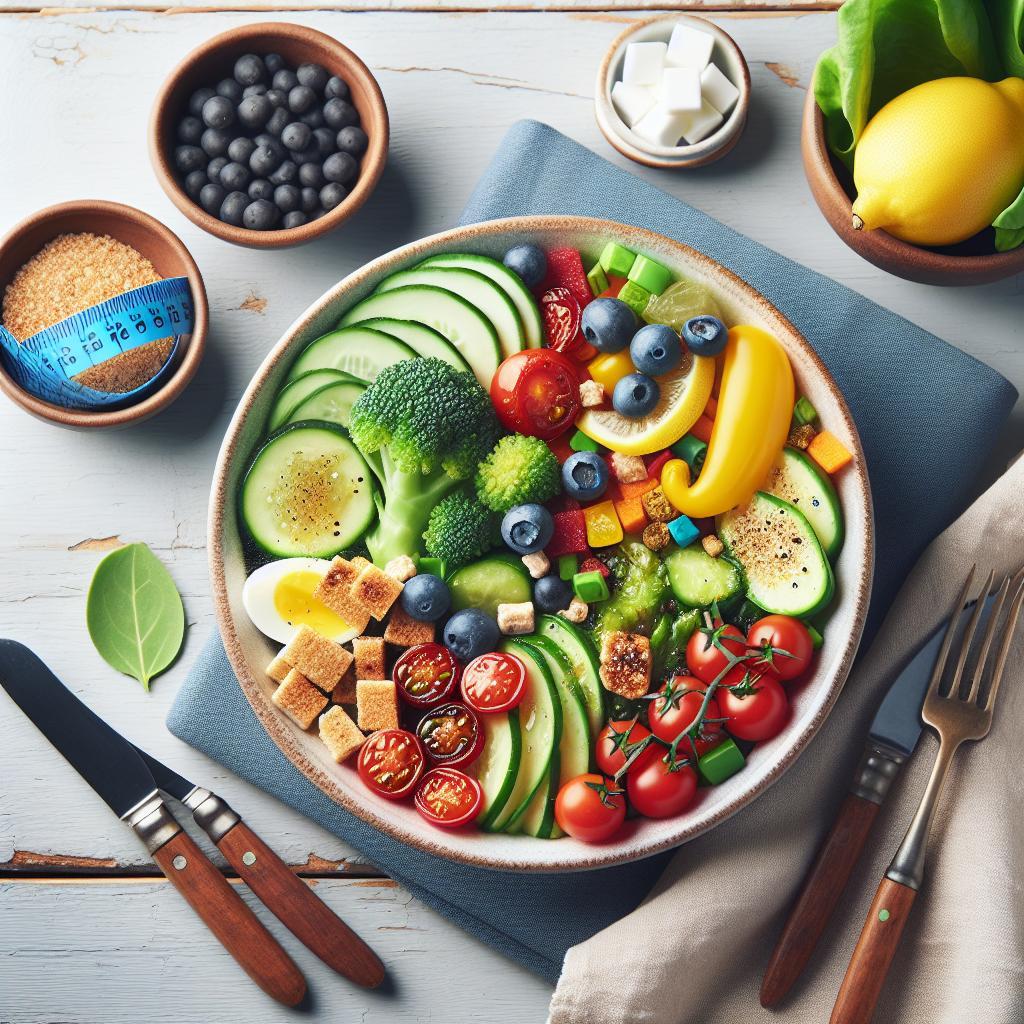

Savor Flavor presents practical, diabetes dinners that stabilize blood glucose while delivering real taste through lean protein, fiber-rich vegetables, and measured whole grains.
- Balance plate-based portions: combine protein, fiber, and healthy fat to blunt post-meal glucose.
- Flavor with low carbs: use herbs, spices, citrus, and acid to satisfy without sugar.
- Portion control works: use 1/2 cup cooked whole grains or extra vegetables to manage carbs.
- Track and adapt: note personal glucose responses and adjust portions and timing.
Diabetes Dinners: Overview
The diabetes dinners in this collection prioritize sustained energy and minimal glucose spikes by emphasizing protein and fiber first, carbohydrate second. These dinners use modest portions of whole grains, non-starchy vegetables, and lean or plant-based proteins to reduce rapid glucose absorption.
The approach aligns with Mediterranean-style patterns and evidence-based strategies for meal composition that many clinicians recommend. See the Mediterranean diet for background on vegetable-forward, healthy-fat meals that support metabolic health.
Diabetes Dinners Recipe: Mediterranean Lemon Chicken and Veggie Sauté
This diabetes dinners recipe pairs pan-seared chicken with bright vegetables and a finishing squeeze of lemon for satisfying flavor without excess carbohydrate. It serves four and cooks quickly for weeknight use, making it practical to keep glucose patterns steady through the evening.
The method relies on simple sear-and-sauté techniques to build texture and flavor while preserving nutrients. You can swap proteins or whole-grain sides to adjust carbohydrate and protein targets for individual glucose goals.
Prep and Cook Time
Prep: 15 minutes. Cook: 25 minutes. Short, consistent cook times help preserve vegetable fiber integrity and maintain flavor.
Total: 40 minutes. Prep vegetables and measure spices to reduce active time and improve meal consistency for diabetes dinners across the week.
Yield & Difficulty
Yield: Serves 4. Portion control guidance keeps carbohydrate content predictable so each of these diabetes dinners fits into structured meal plans.
Difficulty: Easy. Basic pan skills are enough to achieve good browning and balanced texture, which makes this recipe reliable for meal prep.
Ingredients
Gather fresh produce, lean protein, and measured pantry herbs. Keeping oil and optional whole-grain portions modest helps control the carbohydrate and calorie profile of these diabetes dinners.
- 2 medium zucchinis, sliced into half-moons
- 1 large red bell pepper, diced
- 1 cup cherry tomatoes, halved
- 1 small red onion, thinly sliced
- 2 cloves garlic, minced
- 1 lb (450g) skinless chicken breasts, cut into bite-sized cubes
- 1 tsp smoked paprika
- 1/2 tsp ground cumin
- 1 tbsp fresh lemon juice
- 2 tbsp extra virgin olive oil, divided
- Salt and cracked black pepper, to taste
- 1/4 cup chopped fresh parsley for garnish
- 1/2 cup cooked quinoa (optional, for serving)
For vegetarian diabetes dinners, swap chicken for extra-firm tofu or canned chickpeas and adjust spices. Limit starchy sides when adding legumes to keep a favorable glycemic response.
Instructions
1. Prepare the vegetables: Heat 1 tablespoon olive oil in a large non-stick skillet over medium heat. Add zucchini, bell pepper, cherry tomatoes, and red onion; sauté until tender and lightly caramelized, about 7–8 minutes.
2. Sauté aromatics and brown chicken: Push vegetables to one side, add remaining oil, and cook garlic for 30 seconds. Toss chicken with smoked paprika, cumin, salt, and pepper, then add to skillet and cook 8–10 minutes until browned and cooked through to 165°F (74°C).
3. Combine and finish: Mix chicken and vegetables, drizzle lemon juice, and warm for 2 minutes to meld flavors. Plate over 1/2 cup cooked quinoa if you want extra fiber and slow-release carbohydrate in your diabetes dinners rotation.
4. Garnish and serve: Sprinkle chopped parsley and serve with a lemon wedge for brightness. A spoonful of plain Greek yogurt adds creaminess and extra protein without a heavy carb load.
Diabetes Dinners: Tips for Success
Small technique changes improve outcome: avoid overcrowding the pan to get a good sear and use an instant-read thermometer to verify chicken temperature for food safety. Browning enhances flavor and helps the dish feel more satisfying, which reduces the urge for high-carb additions.
Season near the end and balance acid, salt, and fat to amplify simple ingredients. Tasting before plating ensures the final seasoning supports the overall macronutrient balance of your diabetes dinners.
Make-ahead prep is one of the most effective adherence tools: roast vegetables and cook whole grains on the weekend so assembly takes minutes on busy nights. Store components separately to keep textures fresh until reheating.
Diabetes Dinners: Protein and Vegetable Swaps
Swap chicken for turkey breast, firm tofu, canned salmon, or legumes to vary nutrient profiles while keeping protein sufficient to blunt post-meal glucose rises. These swaps let you rotate diabetes dinners to prevent menu fatigue.
Change vegetables seasonally—eggplant, mushrooms, and leafy greens all work. Keep starchy vegetables limited when the plate includes a grain to control total carbohydrate load and glycemic effect.
Diabetes Dinners: Serving and Pairing Suggestions
Serve the sauté over a modest portion of whole grain or with a large salad to add volume and fiber. A plate focused on non-starchy vegetables plus a lean protein keeps carbohydrate predictable across diabetes dinners.
For extra texture and healthy fats, sprinkle toasted nuts or seeds atop the dish. Plain sparkling water with lemon supports hydration without added sugars and pairs well with these diabetes dinners.
Diabetes Dinners: Nutrition and Glycemic Notes
The suggested serving provides a strong protein-to-carbohydrate ratio that slows glucose absorption and supplies sustained energy. When you include a measured portion of whole grain, the meal delivers fiber and steady-release carbohydrate with less risk of a sharp postprandial spike.
Monitor how different carbohydrate sources affect your glucose using the concept of the glycemic index and glycemic load, since individual responses vary. Adjust portion size and pairings based on logged glucose readings and symptom patterns.
| Nutrient | Per Serving |
|---|---|
| Calories | 320 kcal |
| Protein | 35 g |
| Carbohydrates | 15 g |
| Fat | 11 g |
For context on the clinical condition this meal pattern targets, consult the diabetes mellitus overview for reliable foundational information. Use clinical guidance to match meal patterns to individual therapeutic targets.
Two internal resources you may find helpful: our tag page with related recipes at diabetes dinners tag and the full article URL for saving or sharing Savor Flavor: Delightful Diabetes-Friendly Dinner Ideas. These internal links help you explore additional diabetes dinners and planning ideas on the same site.
FAQ
The FAQ below answers common, practical questions about building diabetes dinners. Each answer targets actionable steps you can use tonight.
Why focus on dinner for blood sugar control?
Dinner often combines multiple food groups and larger portions that can drive overnight glucose levels. Prioritizing protein and fiber at dinner helps blunt post-meal spikes and reduces late-night hunger.
Can I still enjoy bold flavors with limited carbs?
Yes. Herbs, spices, citrus, and vinegars deliver strong flavor without added carbohydrates. Smoke, acid, and umami sources let you build satisfying profiles for diabetes dinners.
What quick swaps make a meal more diabetes-friendly?
Replace refined grains with 1/2 cup cooked whole grains or extra vegetables, switch sugary sauces for yogurt-based dressings, and choose skinless poultry or plant proteins to lower saturated fat and control calories.
How should I portion desserts after dinner?
Choose naturally sweet options like a small bowl of berries with a spoonful of Greek yogurt and cinnamon. Keep portions modest and pair desserts with protein to blunt post-dessert glucose rises.
Where can I find more recipes and guidance?
Look for evidence-based cookbooks and vetted nutrition guides focused on diabetes meal planning. Discuss specific goals with a registered dietitian to tailor diabetes dinners to medication, activity, and target glucose ranges.
See also: diabetes dinners
Recommended Reading:
- 9 Essential Couscous Secrets for Perfect Texture
- 9 Irresistible Air Fryer Crispy Chickpeas
- 5 Chef Secrets to Perfect Silky Garlic Sauce for Beef