
Introduction to Wild Rice Soup
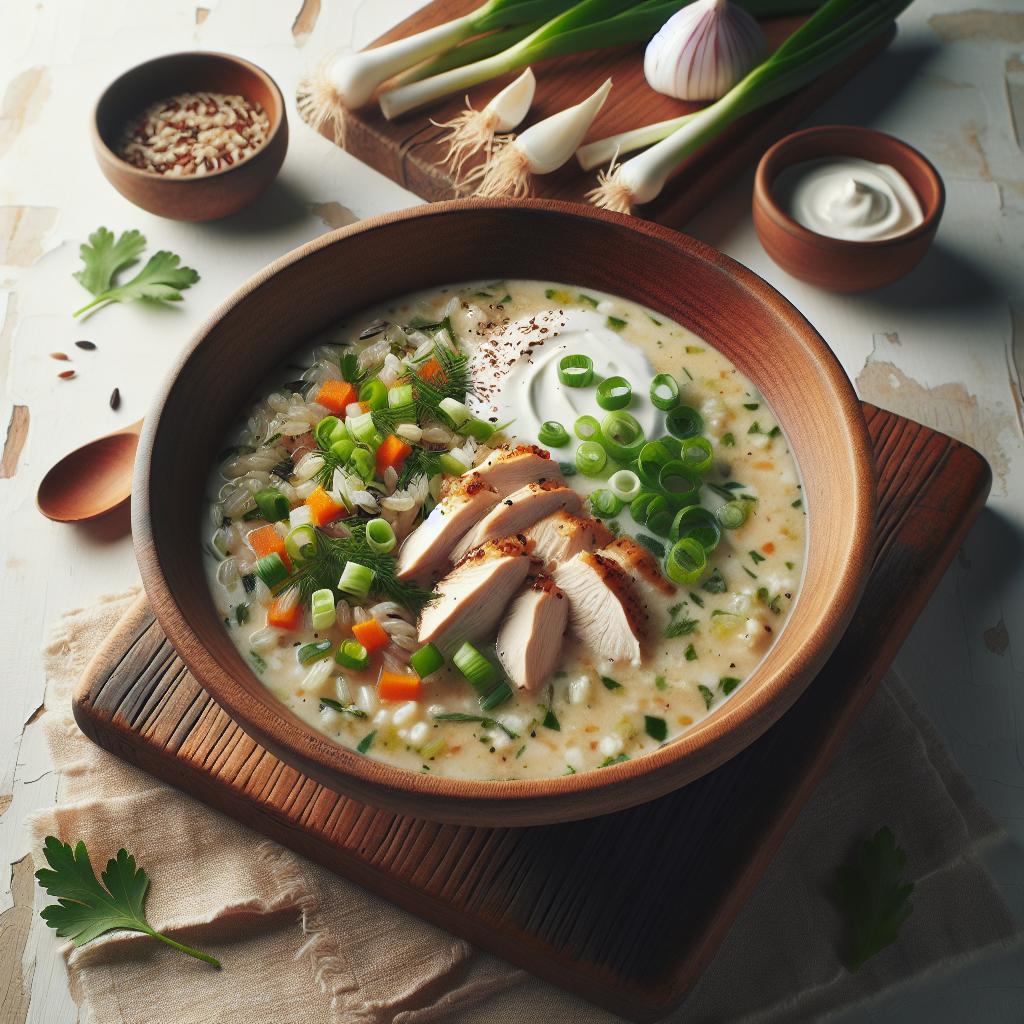
This creamy chicken and wild rice soup combines tender shredded chicken, nutty whole-grain wild rice, and a silky, seasoned broth. The bowl delivers balanced texture and savory depth while remaining approachable for home cooks.
- Hearty comfort: Serves six with balanced protein and grains.
- Prep efficiency: Ready in roughly one hour with everyday ingredients.
- Make-ahead friendly: Freezes well when rice and dairy are handled correctly.
- Versatile: Easy swaps for dairy-free or gluten-free diets.
The recipe uses simple technique: poaching, gentle simmering, and a light roux to build body. These steps keep the chicken juicy and the base velvety while allowing the wild rice to retain bite.
Wild Rice Soup — Prep, Cook Time & Yield
Preparation: 20 minutes. Cooking: 45 minutes. Total: About 1 hour 5 minutes when using uncooked wild rice. Using pre-cooked rice shortens the simmer time substantially.
Yield: About 6 hearty bowls. Difficulty: Medium—best for cooks comfortable with basic sauce-making and managing starches.
Wild Rice Soup Ingredients
This ingredient list keeps the flavors classic: chicken, wild rice, aromatic vegetables, dairy for body, and a measured thickener. Quantities below are calibrated for six servings and tuned for balanced mouthfeel.
Wild rice behaves differently than white rice and benefits from longer cooking or separate preparation to preserve chew. For background on the grain’s culinary role, see wild rice.
- 2 cups cooked wild rice (or 1 cup uncooked wild rice)
- 1½ pounds boneless, skinless chicken breasts
- 6 cups low-sodium chicken broth
- 1 cup heavy cream
- 2 tablespoons unsalted butter
- 1 medium yellow onion, finely diced
- 3 celery stalks, chopped
- 2 medium carrots, diced
- 3 garlic cloves, minced
- ¼ cup all-purpose flour, sifted (or cornstarch slurry for GF)
- 2 teaspoons fresh thyme leaves
- 1 teaspoon dried rosemary, crushed
- Salt and fresh cracked black pepper, to taste
- Fresh parsley, chopped (for garnish)
If you want a hands-off option, use leftover roasted chicken; add at the end and heat through. For roux background, review technique at roux.
Wild Rice Soup Key Technique Notes
Control temperature when poaching the chicken and when making the roux. Gentle simmering keeps chicken tender; a low-to-medium heat roux prevents raw-flour taste and avoids a grainy texture.
Starch gelatinization matters: wild rice releases less starch than white rice, so the base relies on the roux plus cream for silkiness. For the dairy behavior that affects finish, see cream (dairy).
When you use uncooked wild rice directly in the pot, add it early to give it 40–45 minutes of gentle simmer. Alternatively, cook wild rice separately and fold it in to maintain chew and avoid overcooking.
Practice a test simmer: cook a small spoonful of rice to check texture before committing the whole batch. That small check prevents mealy rice in the finished soup.
Wild Rice Soup Instructions
Follow steps in sequence to build layers of flavor and control texture. Each stage—poaching, sautéing, thickening, and finishing—has a precise role in the mouthfeel and aroma.
These directions assume a heavy-bottomed pot to maintain even heat. Keep tools ready: a whisk for the roux and two forks for shredding chicken when poached.
Step-by-step
- Prepare the chicken: Place chicken breasts in a large pot with chicken broth. Bring to a gentle simmer and poach until just cooked through, about 18–22 minutes. Remove the chicken and reserve the poaching liquid.
- Shred the chicken: Let the breasts rest briefly, then shred with two forks into bite-sized pieces. Set aside and keep warm.
- Sauté the aromatics: In the same pot, melt butter over medium heat. Add onion, celery, and carrots and cook until softened, about 6–8 minutes, stirring to avoid browning.
- Add garlic and herbs: Stir in garlic, thyme, and rosemary and cook for 1 minute until fragrant, taking care not to brown the garlic.
- Create the roux: Sprinkle the sifted flour over the vegetables and stir constantly for 2–3 minutes to cook off raw flour taste and to form a paste that will thicken the soup.
- Incorporate broth: Gradually whisk in the reserved chicken broth, scraping to dissolve browned bits. Bring to a gentle simmer to let the base thicken slightly.
- Cook the wild rice: If using uncooked wild rice, add it now and simmer 40–45 minutes until tender. If using pre-cooked rice, add it later to avoid over-softening.
- Add chicken and cream: Stir the shredded chicken and heavy cream into the pot. Simmer another 5–7 minutes until heated through and the texture is luxuriously creamy.
- Final seasoning: Adjust salt and pepper to taste. Finish with chopped parsley for freshness and serve hot.
Wild Rice Soup Tips, Substitutions & Safety
Small technique shifts produce different results while keeping the soup’s core character. Use full-fat cream for the smoothest mouthfeel; plant-based creams will change viscosity and flavor.
For gluten-free cooking, replace the flour with a cornstarch slurry (2 tablespoons cornstarch mixed with cold water) added during broth incorporation. That preserves a smooth texture without gluten.
If you plan to freeze, slightly undercook the wild rice and add cream only when reheating. Overcooked rice becomes mealy after freezing and reheating.
Store soup refrigerated up to 3–4 days in an airtight container. For freezing, cool fully, portion into freezer-safe containers, and use within three months for best texture.
Wild Rice Soup Serving Suggestions
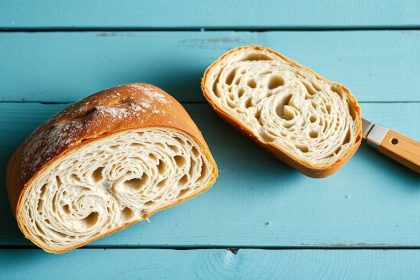
Pair this soup with textures that contrast the creamy base. Rustic bread or warm biscuits provide a satisfying vehicle for dipping and create a pleasing textural interplay.
For a lighter counterpoint, serve a crisp green salad tossed in lemon vinaigrette. A finishing sprinkle of grated aged cheese or a few toasted seeds adds an upscale note.
- Serve with: crusty bread, herb biscuits, or grilled cheese triangles.
- Fresh garnish: chopped parsley, extra thyme sprigs, or cracked black pepper.
- Optional finish: grated Parmesan or a few drops of good olive oil for sheen.
Wild Rice Soup Nutrition, Storage & Make-Ahead
Approximate nutrition per serving: 350 kcal, 30 g protein, 28 g carbohydrates, 15 g fat. Values vary with ingredient brands and portion sizes, so treat these as estimates.
Store refrigerated up to 3–4 days in an airtight container. For freezing, cool fully, then portion into freezer-safe containers for up to 3 months. Reheat gently on the stove to preserve texture.
| Nutrient | Per Serving |
|---|---|
| Calories | 350 kcal |
| Protein | 30 g |
| Carbohydrates | 28 g |
| Fat | 15 g |
Want variations? Try using brown rice or pre-cooked short-grain rice for a softer bowl. If you need technique refreshers, consult our internal pages for related recipes and methods: chicken soup recipes and roux technique guide.
FAQ
The following questions reflect common decisions and troubleshooting points cooks face when making this soup. Each answer focuses on practical technique and rationale so you can adapt the recipe.
Can I use leftover cooked chicken?
Yes. Stir leftover cooked chicken into the finished soup in the final heating step and warm through for 3–5 minutes to prevent drying. This method shortens active cook time and keeps texture intact.
Can I make this gluten-free?
Replace the flour with a cornstarch slurry (2 tablespoons cornstarch mixed with cold water) added during broth incorporation. That maintains a smooth texture and removes gluten while keeping body in the broth.
Can I use brown or white rice instead of wild rice?
White rice cooks faster and will become soft; brown rice has a shorter cook time than wild rice but a different texture. Pre-cook any rice you add to the finished soup to avoid overcooking during final simmer.
How long does it keep in the freezer?
Freeze up to three months. Slightly undercook rice if you plan to freeze; fully add cream when reheating for best texture and to avoid separation.
What herb swaps work well?
Dill, parsley, or a small amount of tarragon can add brightness. Use fresh herbs at the end of cooking for the most vibrant aroma and to preserve delicate flavors.
For technical background on poultry handling, see chicken as food. For the culinary role of wild rice, revisit wild rice; for roux technique, see roux.
See also: Wild Rice