
Savor the Flavor: a well-made beef pasta delivers depth, mouthfeel, and savory satisfaction in every forkful. This guide zeroes in on practical choices—cuts, techniques, and finishing touches—that turn good pasta into great pasta.
The approach below emphasizes controlled heat, proper seasoning, and sauce texture so you consistently get tender beef and clingy sauce. Read, practice, and adapt these methods to your pantry and schedule.
- Key takeaway: Choose the cut to match your cooking method—braise for depth, sear for speed.
- Technique matters: Brown meat, deglaze, and finish with reserved pasta water to bind sauce and pasta.
- Balance flavors: Adjust acidity and salt late in cooking; finish with fresh herbs and cheese.
- Pair thoughtfully: Broad noodles and structured reds amplify chunky beef ragùs.
Choosing the Ideal Cut of Beef
Match the cut to the outcome you want. Tougher cuts with more connective tissue, when cooked long and low, convert collagen to gelatin and produce silky texture and rich mouthfeel.
For quick preparations, pick leaner, tender cuts and shorten cook time to preserve juiciness and texture. For background on beef classifications and butchery terms, consult the beef overview.
Slow-Braise Candidates
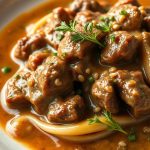
Chuck roast, brisket, and short rib contain collagen and intramuscular fat that break down during extended simmering. These cuts thicken the sauce naturally and yield pieces that nearly fall apart when forked.
Use consistent low heat and enough liquid to cover at least two-thirds of the meat. Knowing braising fundamentals helps; see the compact primer on braising technique.
Quick-Cook Cuts
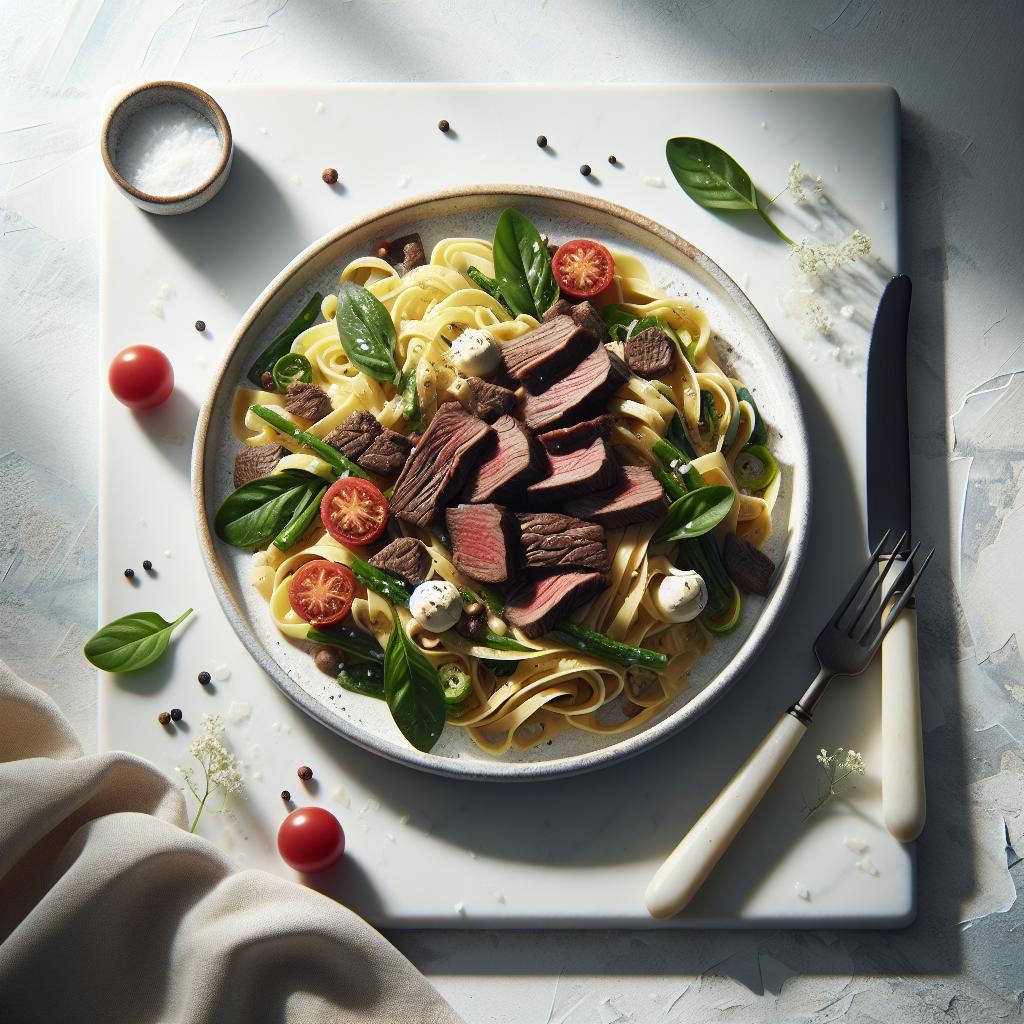
Top sirloin, flat iron, and flank slice thinly across the grain and cook fast. They work well for sautéed or pan-seared beef tossed into pasta at the end for texture contrast.
Trim visible silver skin and rest meat after searing to keep juices inside. Quick-cook cuts reward precise timing and a hot pan.
Ingredients and Sauce-Building Strategy
Start with aromatics, build layers, and finish with texture and aromatics. This sequence ensures clarity of flavor and allows you to correct balance as you progress.
Key pantry items include canned crushed tomatoes, low-sodium beef stock, quality olive oil, garlic, and a restrained measure of smoked paprika or red pepper for warmth. For context on pasta varieties and how they pair with sauces, review the pasta guide.
Practical ingredient notes: Use low-sodium broth to control final salt. Crush whole tomatoes by hand for texture, and keep reserved pasta water to adjust viscosity.
Step-by-Step Technique
Follow a clear cooking sequence: sear, aromatics, deglaze, simmer, and finish. Each step contributes a discrete flavor or texture component.
Measure liquids and taste at checkpoint moments—after deglazing and near the end of simmer—to keep seasoning balanced and avoid over-reducing the sauce.
Browning and Deglazing
Heat a heavy skillet until shimmering, add oil, and sear beef cubes until a deep brown crust forms. Work in a single layer and avoid overcrowding to maintain high surface temperature.
After searing, remove meat and add the onions to the same pan. Deglaze with a splash of beef stock, scraping browned fond into the base—those bits are concentrated flavor carriers.
Controlled Simmering
Return the beef to the pan with crushed tomatoes and remaining stock, then lower to a gentle simmer. Cover loosely to allow evaporation without drying out the sauce.
Simmer times vary: tougher cuts need 60–120 minutes; tender cuts need 20–40 minutes. Stir occasionally and top up stock if the sauce reduces faster than the beef softens.
Cook pasta in plenty of salted water until firmly al dente, then reserve a cup of starchy pasta water. Add the pasta to the sauce off-heat and toss, adding reserved water by tablespoonfuls until the sauce clings.
Chef’s Notes, Variations, and Pairings
Adjust sweetness and acidity intelligently. If tomatoes taste sharp, a teaspoon of honey or a grated carrot tames acidity without masking tomato character.
Substitute herbs to change the aromatic profile: rosemary and marjoram add a piney-balsamic note; thyme and oregano deliver a classic Mediterranean frame.
Pasta Shape and Sauce Texture
Match pasta shape to sauce body. Broad ribbons like pappardelle embrace chunks; ridged tubes like rigatoni capture bits of meat and sauce for balanced bites.
Reserve a small percentage of pasta water to adjust mouthfeel. The starch helps emulsion between fat and tomato, creating a glossy, clingy sauce.
Wine and Beverage Pairings
Robust red wines with structured tannins complement the protein and fat in beef ragù. Consider varietals with dark fruit and moderate acidity to cut through richness.
For non-alcoholic pairings, tart berry spritzes or a sparkling blackcurrant tonic add brightness that refreshes the palate between bites. For reading on wine fundamentals, consult the wine overview.
Nutrition, Serving, and Make-Ahead Tips
A typical serving delivers protein, carbohydrates, and moderate fat. Adjust portion sizes for dietary needs, and use leaner cuts or extra vegetables to lower caloric density.
This sauce improves after resting; refrigerate overnight and reheat gently. Cold-set fat firms and clarifies flavors so reheating with a splash of stock brings it back to the right texture.
Serving suggestion: Plate in warm bowls, finish with torn fresh basil and a shower of aged hard cheese to add umami lift and finishing salt.
| Nutrient | Per Serving (est.) |
|---|---|
| Calories | ~540 kcal |
| Protein | ~38 g |
| Carbohydrates | ~45 g |
| Fat | ~18 g |
Visuals and Final Presentation
Serve the dish with contrast: sprinkle fresh herbs, add a few shards of aged cheese, and finish with an angled drizzle of high-quality olive oil for sheen.
Garnishes add aromatics and crisp texture—think toasted pine nuts or garlic breadcrumbs—so each bite delivers flavor and mouthfeel diversity. For background on olive oil styles, see the olive oil guide.

FAQ
What cut of beef is best for a hearty ragù?
Choose chuck or brisket for slow-cooked ragù because they break down into tender, flavorful strands. The rendered collagen enriches the sauce and creates a silky mouthfeel.
How long should I simmer beef for maximum tenderness?
Simmer times depend on cut. Plan 60–120 minutes for chuck or brisket at a gentle simmer. Check texture periodically and continue until the meat becomes fork-tender.
Can I speed up the process without sacrificing flavor?
Use tender cuts and reduce simmer time to 20–40 minutes, or employ a pressure cooker to drop braising time substantially while still extracting flavor.
How do I stop the sauce from tasting too acidic?
Add a small touch of sweetness—honey or grated carrot—near the build stage. Balance with salt and finish with fat and fresh herbs to round the profile.
Which pasta shape pairs best with meaty sauces?
Broad shapes like pappardelle cradle chunks, while ridged tubes like rigatoni trap bits of meat and sauce. Match the mouthfeel you want to the pasta geometry.
See also: Beef Pasta