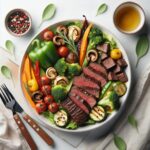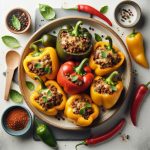
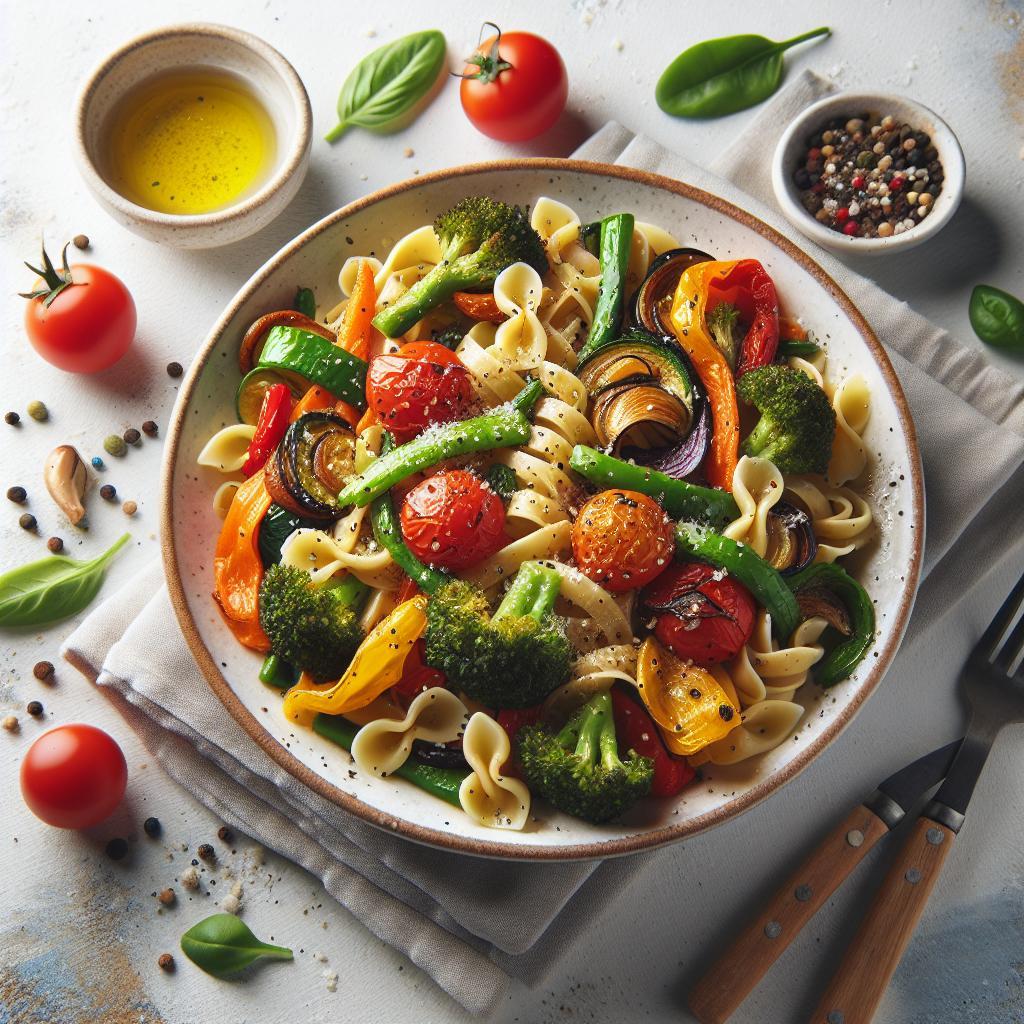

Roasted pasta begins with vegetables roasted to deep caramelization and finished with pasta that holds sauce and texture. This combination creates contrasting bites: crisp, sweet vegetables and tender al dente pasta, brightened with acid and herbs.
- Selecting the Perfect Vegetables for Roasting and Pasta Pairing
- Prep and Cook Time
- Yield and Storage
- Difficulty Level and Skill Notes
- Ingredients
- Mastering Roasting Techniques to Enhance Natural Flavors
- Crafting the Ideal Sauce to Complement Roasted Vegetables
- Expert Tips for Combining Textures and Presentation Flair
- Q&A — Roasted pasta: Practical Questions Answered
- FAQ
- Key takeaway: Roast at high heat for caramelized edges while keeping interiors tender.
- Match shapes: Use penne or rigatoni to trap roasted pieces and sauce.
- Finish smart: Use reserved pasta water, fresh basil, lemon, and toasted nuts for lift.
- Make ahead: Roast in batches and reheat gently to preserve texture.
Selecting the Perfect Vegetables for Roasting and Pasta Pairing
Choose vegetables with varied textures to build interest in roasted pasta. Root vegetables give body and sweetness while summer squashes and tomatoes add juiciness and bright flavor.
Cut each vegetable to consistent sizes so everything finishes together. For background on vegetables and categories see vegetable.
Vegetable choices:
- Sweet potatoes or large carrots for natural sweetness and structure.
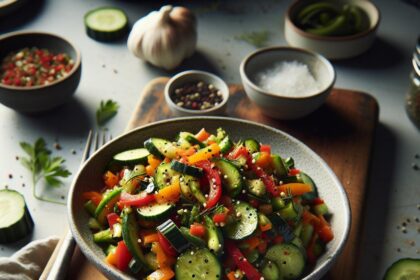
- Zucchini, bell peppers, cherry tomatoes for tender-crisp pieces and bright notes.
- Optional: eggplant or Brussels sprouts for deeper savory character.
Prep and Cook Time
Plan timing so roasted vegetables and pasta finish together rather than sitting and losing texture. Reserve pasta water and finish the sauce on the stove; starch binds juices into a glossy coating.
Typical timing: 20 minutes prep, 25–30 minutes roast, 8–12 minutes pasta, and 2–3 minutes finishing. For starch and heat science, consult caramelization.
- Preparation: 20 minutes
- Roasting: 25–30 minutes
- Total Time: ~50–60 minutes
Yield and Storage
This method yields four generous portions when served with a simple salad or crusty bread. Scale ingredients linearly, but roast in batches if pans crowd.
Store leftovers airtight for up to three days in the refrigerator; reheat gently to avoid mushy vegetables. For general pasta shapes and pairing, see pasta.
Difficulty Level and Skill Notes
Technique sits between easy and intermediate: basic knife skills and timing matter more than advanced methods. Focus on roast temperature and uniform cuts to replicate results reliably.
Use a rimmed sheet tray, good knives, and a high-quality oven thermometer if your range runs hot or cool. These small tools reduce guesswork and improve consistency.
Ingredients
Keep the ingredient list focused on seasonal produce. High-quality olive oil and fresh herbs change the dish more than elaborate spices.
Core ingredient list for four servings:
- 2 cups sweet potatoes, 1-inch cubes
- 1 cup carrots, matchsticks
- 1 cup zucchini, half-moons
- 1 cup cherry tomatoes, halved
- 1 red bell pepper, diced
- 4 cloves garlic, minced
- 3 tbsp olive oil
- 1 tsp smoked paprika
- 1 tsp dried oregano
- Salt & pepper, to taste
- 12 oz penne pasta
- ½ cup fresh basil, chopped
- ¼ cup toasted pine nuts
- ½ cup grated Parmesan or vegan alternative
Mastering Roasting Techniques to Enhance Natural Flavors
High heat accelerates Maillard reactions and caramelization on vegetable surfaces. Preheat the oven to 425°F (220°C) and roast on a single layer to keep edges crisp.
Avoid crowding the pan; steam defeats browning. If you must roast a lot, split into two trays and rotate halfway through the cook time. See the roasting overview at roasting.
- Preheat oven to 425°F (220°C).
- Toss firm roots with oil and starch to accelerate browning.
- Spread in a single layer on a rimmed sheet; do not overcrowd.
- Roast 25–30 minutes, stirring once for even color.
- Add cherry tomatoes for the last 8–10 minutes to keep them intact.
After roasting, allow vegetables to rest briefly on the sheet so surface steam dissipates. This preserves crisp edges and prevents limp textures when mixed with pasta.
Crafting the Ideal Sauce to Complement Roasted Vegetables
Let the vegetables guide the sauce. Roasted-sweet vegetables pair best with an olive oil–based finish; charred or bitter vegetables can handle a creamier touch.
Use reserved pasta water to emulsify oil and vegetable juices into a glossy, clingable sauce. Acid and herbs go in at the end to keep brightness and aroma.
- Cook pasta in salted water until al dente; reserve ½ cup pasta water before draining.
- Combine roasted vegetables, a splash of pasta water, and a good drizzle of extra virgin olive oil in a skillet.
- Warm together 2–3 minutes; adjust seasoning with salt, pepper, and lemon if needed.
- Toss in the pasta and finish with basil, cheese, and toasted nuts.
Expert Tips for Combining Textures and Presentation Flair
Contrast matters. Add toasted nuts for crunch, soft cheese for silkiness, and citrus zest for lift. These elements change perceived richness without extra fat.
Serve in shallow bowls so layers and colors remain visible. A light drizzle of good extra virgin olive oil over the top adds perfume and sheen.
- Add crunch with toasted pine nuts just before serving.
- Garnish with basil and grated cheese or a nut-based alternative.
- Drizzle finishing oil sparingly for gloss and aroma.
- Optional brightness: lemon zest lifts roasted sweetness nicely.
After the warning block, rest the vegetables and taste the combined sauce before final seasoning. Acid can brighten but over-acidification will mute roasted sweetness.
Chef’s Notes
Swap vegetables seasonally: asparagus in spring, eggplant in late summer, and Brussels sprouts in fall all work well for roasted pasta. Convection shortens roast time—watch closely.
For added protein, fold in cooked chickpeas or a scoop of ricotta. Store leftovers airtight for up to three days and reheat gently to preserve structure.
Serving Suggestions
Pair the dish with a crisp green salad dressed with lemon and olive oil. Crusty bread helps mop up remaining sauce and completes the meal.
An unsweetened sparkling water with cucumber or mint refreshes the palate between bites and complements the roasted flavors without overpowering them.
| Nutrient | Per Serving |
|---|---|
| Calories | 420 kcal |
| Protein | 14 g |
| Carbohydrates | 58 g |
| Fat | 12 g |

For more reading on olive oil selection and flavor profiles, consult olive oil. Use extra virgin olive oil for finishing to add balanced bitterness and strong aroma.
Explore related recipes and roundups on our site: Roasted pasta collection and Pasta guide.
Q&A — Roasted pasta: Practical Questions Answered
This Q&A covers the frequent technical and practical questions cooks ask when building roasted vegetable pasta. Answers prioritize execution and reproducible technique.
What makes roasted vegetables a perfect match for pasta?
Roasting concentrates sugars and creates Maillard notes that deepen flavor. Those caramelized edges provide contrast against al dente pasta and lifted finishes like lemon and basil.
Which vegetables work best for roasted pasta?
Bell peppers, zucchini, cherry tomatoes, eggplant, and red onions hold up well and intensify in flavor when roasted. Uniform cuts ensure even cooking across textures.
How do I achieve browned vegetables without drying them out?
Toss pieces lightly in oil, spread in a single layer, and roast at high heat. Add softer vegetables later in the roast cycle to prevent collapse and maintain shape.
What pasta shapes pair best with roasted vegetables?
Shapes that catch pieces and sauce—penne, rigatoni, and farfalle—work best for roasted pasta. They trap vegetable bits and offer balanced bites.
How can I add plant-based protein while keeping a vegetarian focus?
Add toasted chickpeas, cannellini beans, or toasted nuts for protein and texture. Silken tofu or grilled tempeh cubes also work and keep the dish plant-forward.
FAQ
How long do roasted vegetables keep?
Store roasted vegetables in an airtight container for up to three days in the refrigerator. Reheat gently to maintain texture and prevent sogginess.
Can I roast everything on one pan?
Only if pieces are uniform and the pan is not crowded. Otherwise, roast in batches to prevent steaming and promote browning.
Do I need to peel root vegetables?
Peeling is optional. For sweet potatoes and carrots, peeling improves mouthfeel and appearance, but well-scrubbed skins are edible and nutrient-dense.
What oil is best for roasting?
Use a neutral oil with a higher smoke point, like canola or refined avocado oil, for roasting. Reserve extra virgin olive oil for finishing to impart aroma and flavor.
Any vegan finishing tips?
Use toasted nuts, nutritional yeast, or blended cashew cream instead of cheese to add savory depth and creamy texture without dairy.
Recommended Reading:
- 9 Expert Couscous Secrets for Perfect Texture
- 9 Incredible Air Fryer Crispy Chickpeas
- 5 Proven Secrets for Silky Creamy Garlic Beef Sauce