
Savor the Flavors: Baked Halibut with Juicy Tomatoes
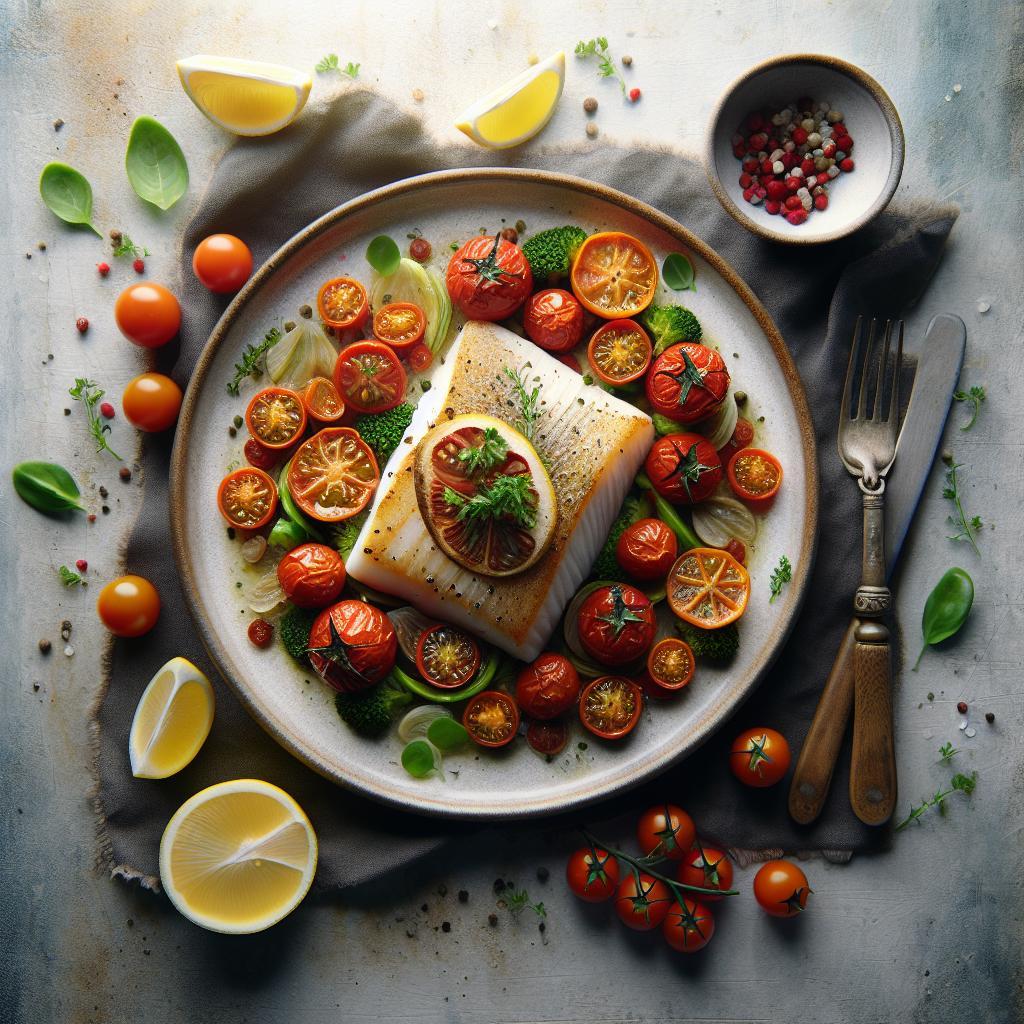
Fresh halibut and ripe tomatoes form a simple, high-impact pairing that delivers balanced acidity, clean protein, and comforting aromatics. This recipe guides you through techniques that keep the fish moist while coaxing the tomatoes into a glossy, savory finish.
- Overview and Why This Works
- Prep and Cook Time
- Yield and Difficulty
- Ingredients
- The Art of Baking Halibut to Perfection: Timing and Temperature Tips
- Instructions
- Unlocking the Juicy Magic of Tomatoes: Choosing Varieties That Enhance Flavor
- Seasoning Strategy and Herb Selection
- Pairing Ideas and Presentation Tips to Elevate Your Dish
- Chef’s Notes
- Nutrition and Serving Suggestions
- Ingredients Sourcing and Safety
- FAQ
- Final Notes
- Quick cook: Ready in about 35 minutes from start to finish.
- Low fuss: Uses pantry staples—olive oil, lemon, garlic, and herbs.
- Versatile: Swap halibut for cod or sea bass if needed.
- High yield: Serves four with protein-forward nutrition.
Overview and Why This Works
This dish relies on two complementary elements: a firm white fish and a high-juice vegetable that softens and concentrates as it roasts. The fish holds shape; the tomatoes break down and form a light sauce that keeps the fillet tender.
Halibut provides a neutral, meaty backdrop that benefits from brighteners like lemon and herb oils. For a concise primer on the species and its culinary uses, see the halibut entry on Wikipedia.
Prep and Cook Time
Preparation: 15 minutes. Cooking: 18–20 minutes. The totals depend on fillet thickness and oven accuracy.
Plan for a 35-minute window from mise en place to plating. Preheat the oven while you prepare ingredients so heat delivery stays consistent.
- Preparation: 15 minutes
- Cooking: 18–20 minutes
- Total: 35 minutes
Yield and Difficulty
Yield: Serves 4 generous portions. Scale ingredients linearly for larger batches; don’t overcrowd the pan or tomatoes will steam instead of roast.
Difficulty: Easy. The technique focuses on timing and simple seasoning to deliver restaurant-quality texture at home.
Ingredients
Use the freshest produce available. Cherry or grape tomatoes offer concentrated sweetness and roast quickly; read about tomato varieties at Tomato.
Measure ingredients before you start. A clean mise en place prevents over- or under-seasoning and keeps the short cooking window manageable.
- 4 halibut fillets (6 oz each), skin removed
- 2 cups cherry tomatoes, halved
- 3 cloves garlic, minced
- 2 tablespoons extra virgin olive oil
- 1 teaspoon sea salt
- ½ teaspoon freshly ground black pepper
- 1 tablespoon fresh thyme leaves (or 1 tsp dried)
- 1 teaspoon lemon zest
- 2 tablespoons fresh lemon juice
- ¼ cup chopped fresh basil, for garnish
- Optional: Pinch of red pepper flakes
The Art of Baking Halibut to Perfection: Timing and Temperature Tips
Set the oven to 400°F (200°C) to balance exterior browning and internal moisture. Higher heat shortens cook time but risks drying the fish; lower heat increases time and softens tomato sugars less efficiently.
Pat fillets dry to promote even heat contact and better flavor adhesion. Light oiling and zest-based seasoning enhance crust development without heavy coatings.
Temperature and Doneness
For fillets around 1 inch thick, 18–20 minutes is a reliable target. Use a fork to test: the fish should flake gently and remain opaque across the thickest section.
Carryover heat increases internal temperature after you remove the dish. Rest the fillets a couple minutes before serving to keep juices stable and texture silky.
Instructions
Follow the sequence below to ensure tomatoes concentrate while fish finishes without drying. Layering flavors early gives the tomatoes time to release juices that baste the fillets.
Work efficiently: once the oven is hot, assembly and bake should proceed without delay so timing remains predictable.
- Preheat oven to 400°F (200°C).
- Lightly oil a medium baking dish and scatter the halved tomatoes evenly in the base.
- Sprinkle minced garlic, thyme, salt, and pepper over the tomatoes; toss gently to combine.
- Pat the halibut fillets dry and rub each lightly with olive oil, salt, pepper, and lemon zest.
- Place the fillets atop the tomato mixture in the baking dish.
- Bake uncovered for 18–20 minutes, or until the halibut flakes easily with a fork.
- Remove from oven and drizzle lemon juice over the fish and tomatoes for a bright finishing touch.
- Garnish with chopped fresh basil and extra lemon zest before serving.
Unlocking the Juicy Magic of Tomatoes: Choosing Varieties That Enhance Flavor
Choose high-sugar, high-acid cherry or grape tomatoes for concentrated flavor; larger tomatoes can dilute texture unless you roast them longer. Varieties with thin skins blister and collapse into sauce-like juices.
If tomatoes are out of season, look for sun-ripened or greenhouse-grown cherry tomatoes labeled as sweet or heirloom. For more botanical and culinary context, see the Tomato page.
Seasoning Strategy and Herb Selection
Simple, bright seasonings let the fish and tomato sing. Lemon zest lifts aroma while thyme and basil add savory and sweet-green notes that harmonize with olive oil.
Swap thyme for rosemary or oregano for an earthier direction, but adjust amounts: rosemary can dominate, so use sparingly.
Oil and Acid
Use a high-quality oil for finishing to enhance mouthfeel. Read about production and flavor classes at Olive oil.
Lemon juice added after baking brightens the sauce and balances oil richness. The citrus also highlights tomato acidity and fresh herb notes.
Pairing Ideas and Presentation Tips to Elevate Your Dish
Serve the baked halibut atop herb-infused quinoa or a creamy cauliflower purée to match the fish’s delicate texture. The tomato juices make an elegant, light sauce for the base.
Finish plates with torn basil and a lemon zest scatter for color and aroma. For crunch, garnish with toasted pine nuts or slivered almonds right before serving.
Chef’s Notes
Variation: Swap fresh thyme for rosemary or oregano for an earthier profile but reduce strong herbs to avoid overpowering the fish.
Make-ahead: Marinate tomatoes with garlic and herbs for up to 1 hour before baking to deepen flavor concentration. Assemble just before roasting.
- Substitution: Use cod or sea bass if halibut is unavailable; adjust cooking time for fillet thickness.
- Tip: Avoid overcooking—aim for a gentle flake and opaque color at the thickest point.
Nutrition and Serving Suggestions
This is a protein-forward meal: a typical serving supplies lean protein and beneficial fats when prepared with modest oil. Tomatoes add antioxidants like lycopene and vitamins.
Pair the dish with steamed asparagus, roasted baby potatoes, or a peppery arugula salad for a complete plate that balances textures and temperatures.
| Nutrient | Per Serving |
|---|---|
| Calories | 280 kcal |
| Protein | 35 g |
| Carbohydrates | 8 g |
| Fat | 10 g |
Ingredients Sourcing and Safety
Source fish from reputable suppliers and verify freshness by smell, texture, and color. If you want a primer on seafood selection practices, consult the general food safety resources provided by credible authorities.
Store leftover cooked fish in a shallow airtight container and refrigerate within two hours. Consume leftovers within 48 hours and reheat gently to maintain texture.
FAQ
Q: What makes halibut suitable for baking?
Halibut has a firm, dense flesh that holds shape under heat. The texture responds well to short, hot roasts that seal moisture while allowing seasonings to penetrate.
Q: Can I use canned tomatoes if fresh aren’t available?
Use high-quality whole peeled tomatoes sparingly and drain excess liquid first. Fresh cherry tomatoes roast faster and preserve a lighter texture; canned tomatoes will produce a denser sauce.
Q: How do I prevent the fillets from sticking to the pan?
Lightly oil the baking dish or use parchment. Drying the fillet surface and applying a thin oil layer before seasoning reduces adhesion and helps form a delicate crust.
Q: Can I grill this instead of baking?
Yes. Grill tomatoes in a foil packet and place halibut on direct, medium-high heat for shorter times. Monitor doneness closely since grill heat varies more than ovens.
Q: What’s a quick garnish to add brightness?
Torn basil, lemon zest, and a small drizzle of extra virgin olive oil finish the plate with aroma and a glossy sheen.
Final Notes
This baked halibut with juicy tomatoes recipe prioritizes texture control and clean seasoning. Small choices—ruled by timing, oil, and acid—deliver a dish that feels both light and refined.
For ingredient context, consult the lemon and garlic entries for concise summaries of their culinary roles and flavor chemistry.
See also: baked halibut