
Savor the Forest: Mastering the Art of Cooking Chanterelles starts with respect for a delicate wild ingredient. Chanterelles reward simple technique and careful handling with intense aroma and a lush, buttery mouthfeel.
- Focus on heat and dryness: a hot, wide pan yields the best sear and concentrated flavor.
- Keep seasonings light: salt late and add lemon or wine to brighten without masking.
- Preserve stems: chop stems into stocks or sauces to extract maximum umami.
Why chanterelles deserve your attention
Chanterelles belong to the genus Cantharellus, a group prized for culinary use. Their apricot-like aroma and subtly peppery finish make them distinct among wild fungi.
These mushrooms form symbiotic relationships with trees, which affects how they taste. See the ecology overview at mycorrhiza for the biological context that influences flavor.
Prep and cook time
Preparation: 15 minutes. Quick cleaning and trimming preserve texture and aroma.
Cooking: 20 minutes. Fast searing concentrates flavors without turning them mushy.
Total Time: 35 minutes. This timeframe fits both weeknight cooking and weekend entertaining.
Yield and difficulty
Yield: Serves 4 as a luxurious side or appetizer. You can scale the recipe up while maintaining technique.
Difficulty: Medium. The methods prioritize timing and heat control more than technical complexity.
Ingredients
Use fresh, firm chanterelles when possible. If you must substitute, dried chanterelles rehydrate well and add concentrated aroma.
Measure flavors conservatively; chanterelles react to strong seasoning. Below is a practical ingredient list to get the profile right.
- 500 g fresh chanterelle mushrooms, cleaned and trimmed
- 3 tbsp unsalted butter
- 2 cloves garlic, finely minced
- 1 small shallot, finely chopped
- 1/4 cup dry white wine (optional)
- 2 tbsp fresh parsley, chopped
- Salt and freshly ground black pepper, to taste
- 1 tsp lemon zest
- 1 tbsp extra virgin olive oil
Key equipment
A wide sauté pan or skillet gives the best surface area for browning. Avoid crowded pans so mushrooms can brown instead of steam.
Use a soft-bristled brush and a clean cloth for cleaning. If you rinse, do it fast and pat dry to avoid waterlogging the mushroom flesh.
Step-by-step instructions
The method below focuses on restraint: quick, hot cooking and minimal liquids to preserve chanterelles’ concentrated aroma.
Follow the order—clean, sweat aromatics, sear mushrooms, reduce wine, finish with acid and herbs. That sequence locks in texture and balance.
Cleaning and trimming
Brush off forest debris with a soft mushroom brush. Trim base fibers and remove any damaged areas by slicing instead of soaking.
If you must rinse, do so briefly under cold water and spread on a towel to dry immediately. Excess water dilutes flavor and ruins the sear.
Sautéing for best texture
Heat butter and olive oil in a wide pan over medium-high heat until shimmering. Add shallots first and sweat until translucent.
Stir in garlic for 30 seconds, then add chanterelles. Leave them undisturbed for short bursts to develop golden edges, then toss. Aim for color and concentrated juices.
Deglazing, seasoning, and finishing
Deglaze with white wine if using, and reduce for two to three minutes. This lifts browned bits and layers acidity into the dish.
Season with salt toward the end to prevent moisture loss. Finish with lemon zest and parsley to add lift and freshness without overpowering the mushroom.
Chef’s notes and advanced tips
Chanterelles pair naturally with dairy and mild proteins. A splash of cream or a knob of compound butter brings silkiness while preserving the mushroom’s identity.
Reserve trimmed stems for stock. Those fibers hold concentrated mushroom flavor and improve yield when added to soups or sauces.
For dried chanterelles, rehydrate in warm water and strain the soak liquid through a paper towel. Use that liquid sparingly to add depth to sauces.
Serving suggestions
Serve chanterelles on toasted brioche, stirred into creamy polenta, or folded into a delicate risotto. Their texture complements both rustic and refined preparations.
They also pair well with roasted poultry, seared game, and fresh herbs like thyme and parsley. Finish plates with a light drizzle of olive oil or a squeeze of lemon for contrast.
Storage and preservation
Refrigerate fresh chanterelles in a paper bag for up to a week; avoid plastic containers that trap moisture. For long-term use, sauté and freeze in portions.
Drying intensifies aroma. Rehydrate in warm water and add the soak liquid to sauces for concentrated flavor. Pickling also offers a bright, preserving option that brings tang to charcuterie boards.
Nutritional snapshot
Chanterelles offer vitamins and minerals with low calories. They contribute dietary fiber and notable vitamin D when exposed to sunlight while growing.
The following table gives a practical per-serving estimate when prepared with butter and oil.
| Nutrient | Per Serving |
|---|---|
| Calories | 110 |
| Protein | 3 g |
| Carbohydrates | 5 g |
| Fat | 9 g |
Visual guide
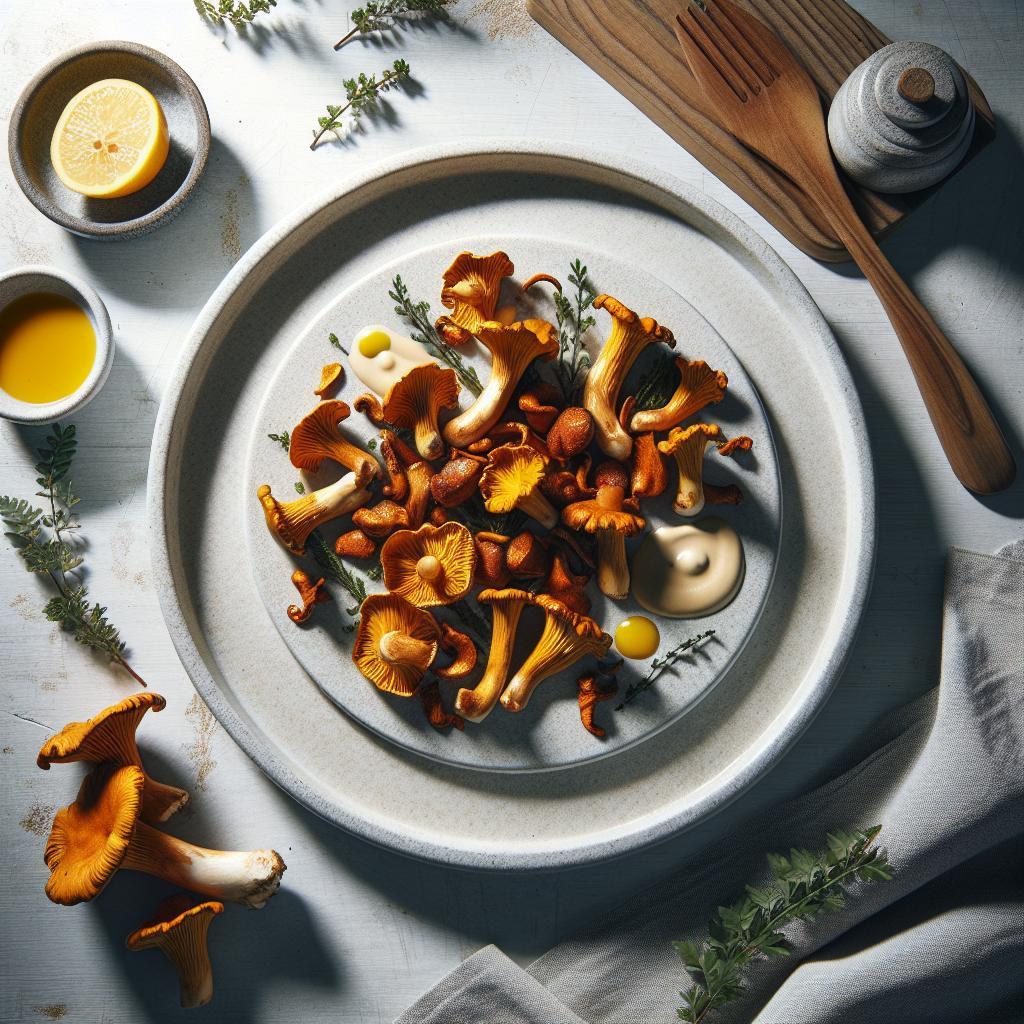
Color and texture tell you a lot: healthy chanterelles show a firm, golden cap and a dry, fragrant surface. Avoid sliminess or sour odors, signs of spoilage.
When cooking, look for even browning and a glossy sheen from melted butter. That signals proper Maillard reaction and concentrated flavor.
Q&A — quick answers
The following answers distill common concerns into practical guidance you can use at the stove or in the field.
These responses draw on culinary practice and fungal ecology to keep guidance accurate and actionable.
Q1: What distinguishes chanterelles from look-alikes?
Look for false gills that are blunt and run down the stem, a firm texture, and a fruity aroma. When in doubt, do not eat the specimen.
Q2: Can I wash chanterelles under running water?
Rinse only if necessary and do it quickly. Pat dry immediately. Soaking dilutes flavor and ruins texture.
Q3: Will chanterelles freeze well?
Sauté first, cool, then freeze in portions. Raw freezing creates an unpleasant texture as ice crystals rupture cell walls.
Q4: What herbs and fats pair best?
Parsley, thyme, butter, and light olive oil work beautifully. Use lemon or wine sparingly to brighten the palate.
Insights and conclusions
Cooking chanterelles rewards restraint and attention. A pan sear, modest seasoning, and a bright finish let their forest aroma shine.
Respect the ingredient at every step: careful cleaning, high heat, and timely seasoning create dishes that celebrate wild flavor without masking it. For further reading on edible species, consult the list of edible mushrooms.
FAQ
How do I tell fresh chanterelles from immature or damaged specimens?
Fresh chanterelles feel firm and dry, with a bright golden color. Avoid specimens that are slimy, heavily spotted, or emit sour odors.
Are chanterelles safe for people with mushroom sensitivities?
Most people tolerate chanterelles well, but individual sensitivities vary. Try a small portion when introducing them to your diet.
Can I use dried chanterelles interchangeably with fresh?
Dried chanterelles provide concentrated flavor but differ in texture. Rehydrate and use the soaking liquid to recapture intensity in sauces.
What cooking fats bring out the best in chanterelles?
Butter enhances richness and mouthfeel; olive oil adds a clean finish. Combining both gives balance and a higher smoke threshold.
Where can I learn more about mushroom identification and safety?
Consult reputable field guides and local mycological societies. For scientific background, the Mushroom article provides foundational context.
See also: chanterelles