
Savory Turkish Spinach Börek: Irresistible Spinach & Feta Swirls
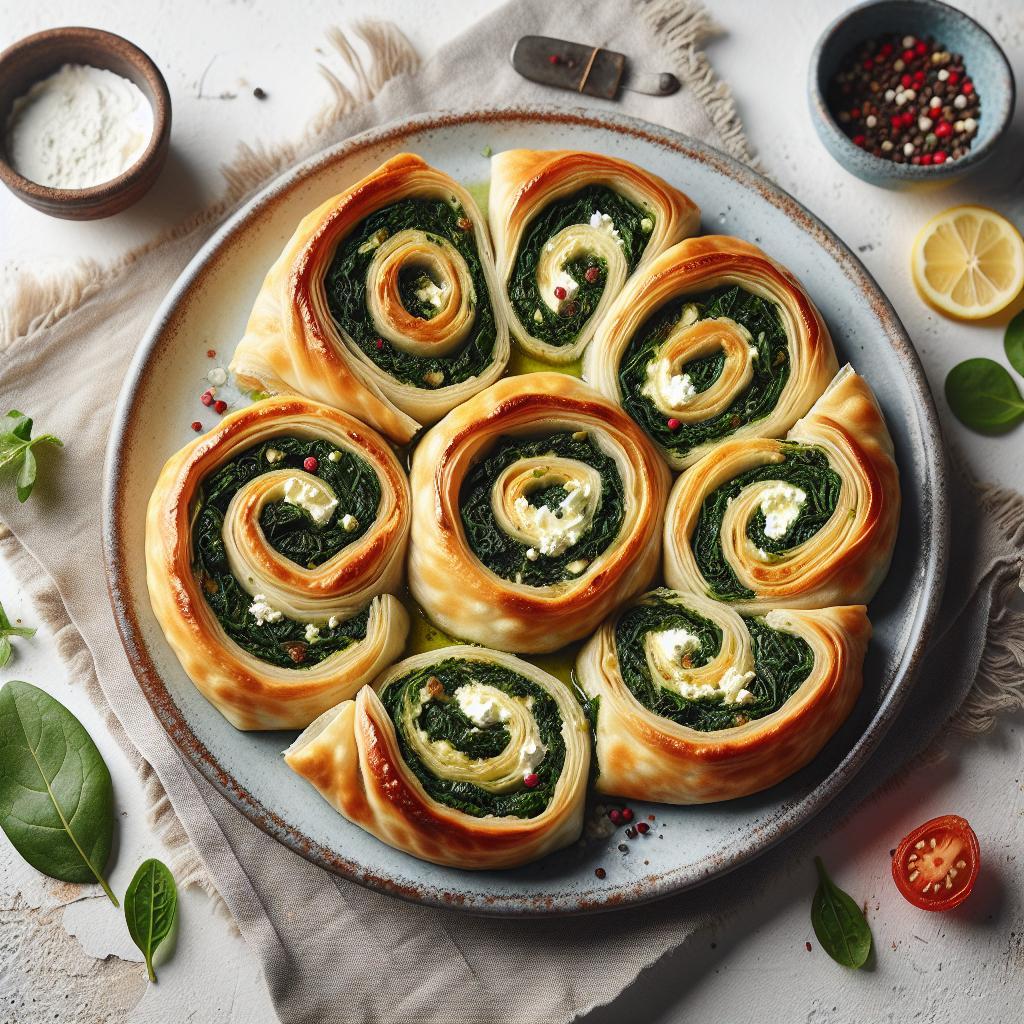
Spinach Börek combines thin, crisp sheets of pastry with a seasoned spinach-and-feta filling for a contrast of flaky texture and bright flavor. This recipe and method focus on repeatable technique so you get consistent swirls every bake.
- Quick outcome: Ready in under an hour for a shared appetizer or light meal.
- Texture trick: Drain the spinach rigorously to keep pastry crisp.
- Flavor control: Blend tangy feta with a small amount of ricotta or milk for balance.
- Make-ahead: Assemble and refrigerate up to 24 hours before baking for convenience.
Prep and Timing Overview for Spinach Börek
Preparation: 25 minutes. These initial steps prioritize handling phyllo and removing excess moisture from the filling.
Cooking: 30 minutes. Bake at a moderate temperature for even browning without drying the interior.
Yield and Difficulty for Spinach Börek
Serves 6 generous portions when sliced into shareable swirls; this yields 8–12 finger pieces depending on cut size. The format suits brunch spreads, meze tables, or picnic boxes.
Difficulty: Medium. The skill requirement focuses on layering and rolling phyllo rather than complex culinary techniques. With calm pacing, novices can succeed.
Ingredients
Use fresh, straightforward ingredients to keep the filling bright and the pastry flaky. Below are measured components for a reliable texture and flavor profile.
- 12 sheets phyllo dough, thawed (about 500 g)
- 1/2 cup unsalted butter, melted
- 1 tbsp olive oil
- 500 g fresh spinach, washed, stemmed, and chopped
- 1 medium onion, finely diced
- 2 garlic cloves, minced
- 200 g feta cheese, crumbled
- 100 g ricotta cheese (optional for creaminess)
- 1 tsp dried dill or 2 tbsp fresh dill, chopped
- 1/2 tsp freshly ground black pepper
- 1/4 tsp ground nutmeg
- 1 large egg, beaten (to brush and seal)
- Salt, to taste (use sparingly because the feta adds salt)
Instructions
Follow these steps in order. The process emphasizes moisture control, even layering, and gentle baking to preserve flakiness.
- Prepare the filling: Heat olive oil in a skillet over medium heat. Sauté diced onion about 5 minutes until translucent, then add garlic and cook one minute without browning.
- Wilt the spinach: Add chopped spinach in batches to the skillet, stirring until just wilted. Remove from heat and transfer to a colander; press firmly to remove excess liquid.
- Mix cheeses and seasonings: Combine the drained spinach with crumbled feta, ricotta, dill, pepper, nutmeg, and a small pinch of salt. Taste and adjust; feta provides most of the salt character.
- Prepare the phyllo: Preheat oven to 375°F (190°C). Lay one phyllo sheet on a clean surface and brush lightly with melted butter; layer a second sheet and brush again. Keep unused sheets covered with a damp towel to prevent drying.
- Assemble the börek: Spread a thin, even layer of filling across the phyllo, leaving a clear edge. Roll into a tight log and brush the seam with beaten egg to seal.
- Shape the swirls: Coil each filled log into a spiral on a lined baking tray. Repeat until you use the filling. Brush the assembled surface with beaten egg for a golden finish.
- Bake: Bake for 25–30 minutes until golden and crisp, rotating the tray halfway for even color. Let rest 5 minutes out of the oven before slicing.
Technique Notes
Phyllo handling and sealing
Work on a clean, dry surface and keep phyllo covered during assembly. That prevents tearing and keeps layers flexible.
Always brush between sheets—use butter for richness or oil for a lighter result. Brushing creates separate crisp layers when the pastry bakes.
Moisture control and filling balance
Draining the spinach is the single most influential step for maintaining crisp pastry. Press the mixture in a sieve or wrap in cheesecloth and squeeze until mostly dry.
Use cool filling when you layer phyllo; warm filling can soften dough too early and cause tears. Allow the filling to cool slightly off the heat before assembly.
When you roll, aim for a consistent log thickness so the spiral bakes uniformly. Avoid over-stuffing; that can split sheets or leave the center gummy.
Tips for Success
Small technique choices change the final texture. Draining and pressing the spinach is non-negotiable for flaky results.
Work at a steady pace and keep the phyllo covered between steps. A short assembly rhythm minimizes stress and prevents drying.
Serving Suggestions to Elevate Your Spinach Börek Experience
Serve warm slices with a simple yogurt-based garlic dip to cut through richness and add acidity. A cucumber-and-mint salad provides a refreshing counterpoint to the buttery layers.
For a regional pairing, try chilled ayran or a squeeze of lemon to brighten each bite. Small garnishes like chopped dill or lemon zest lift the presentation and aroma.
Nutritional Information
Below is an approximate macronutrient snapshot per serving. Values vary with brand and portion size, so treat this as a guideline for menu planning.
| Nutritional Info (per serving) | Calories | Protein | Carbohydrates | Fat |
|---|---|---|---|---|
| Spinach & Feta Börek | 320 kcal | 12 g | 28 g | 18 g |
Background and Culinary Context
Börek traces its roots through Ottoman kitchens into regional variations across the Balkans and Middle East. The dish adapts to local ingredients and shapes while keeping the same layered technique.
Phyllo (or yufka in Turkey) delivers the thin-sheet structure that distinguishes börek from other filled pastries. Read more about börek on Wikipedia and how shapes and fillings vary by region.
The dough used in many recipes is known as phyllo; consult the phyllo entry for technical handling tips. Cheese choices shape the final flavor; use a brined cheese like feta for characteristic tang. See feta on Wikipedia for production and flavor notes.
Spinach provides a mild, earthy base that pairs with salty cheese. For botanical and nutritional context, review spinach on Wikipedia.
Further Reading and Sources
Explore regional börek variants and techniques to diversify shapes and fillings. Experimenting with size and thickness helps tailor baking time and crispness to your oven.
Use authoritative ingredient references when adjusting salt and fat ratios. The linked encyclopedia entries clarify origin, production, and typical flavor profiles for core ingredients.
Final Notes on Spinach Börek
This spinach and feta börek recipe emphasizes reproducible technique: control moisture, layer consistently, and bake gently for even browning. With modest practice, the swirl format becomes a reliable crowd-pleaser.
Try switching herbs or adding a small amount of lemon zest for brightness; subtle changes yield notable flavor shifts. Keep a log of each variation so you can refine the recipe for your kitchen.

FAQ
What is the difference between phyllo and yufka?
Phyllo is a paper-thin pastry used across Mediterranean and Middle Eastern cuisines. Yufka is the Turkish variant that can be slightly thicker and used fresh or baked.
Can I use frozen spinach?
Yes. Thaw and squeeze out nearly all moisture before mixing. Frozen spinach often releases more water, so pressing in cheesecloth is essential to maintain pastry crispness.
How do I store leftovers?
Refrigerate cooled slices in an airtight container up to three days. Re-crisp in a low oven (about 325°F / 160°C) for 8–10 minutes rather than the microwave.
Can I substitute feta?
Use a tangy, brined sheep-milk cheese when available to preserve the characteristic bite. For a milder finish, blend feta with ricotta as the recipe suggests.
What makes spinach and feta a classic pairing?
Spinach provides an earthy base while feta contributes salinity and creaminess. Herbs like dill or parsley lift the mixture without overwhelming the pastry.
See also: Spinach Börek