
Smokin’ Smooth: A Guide to Perfectly Smoking Cream Cheese
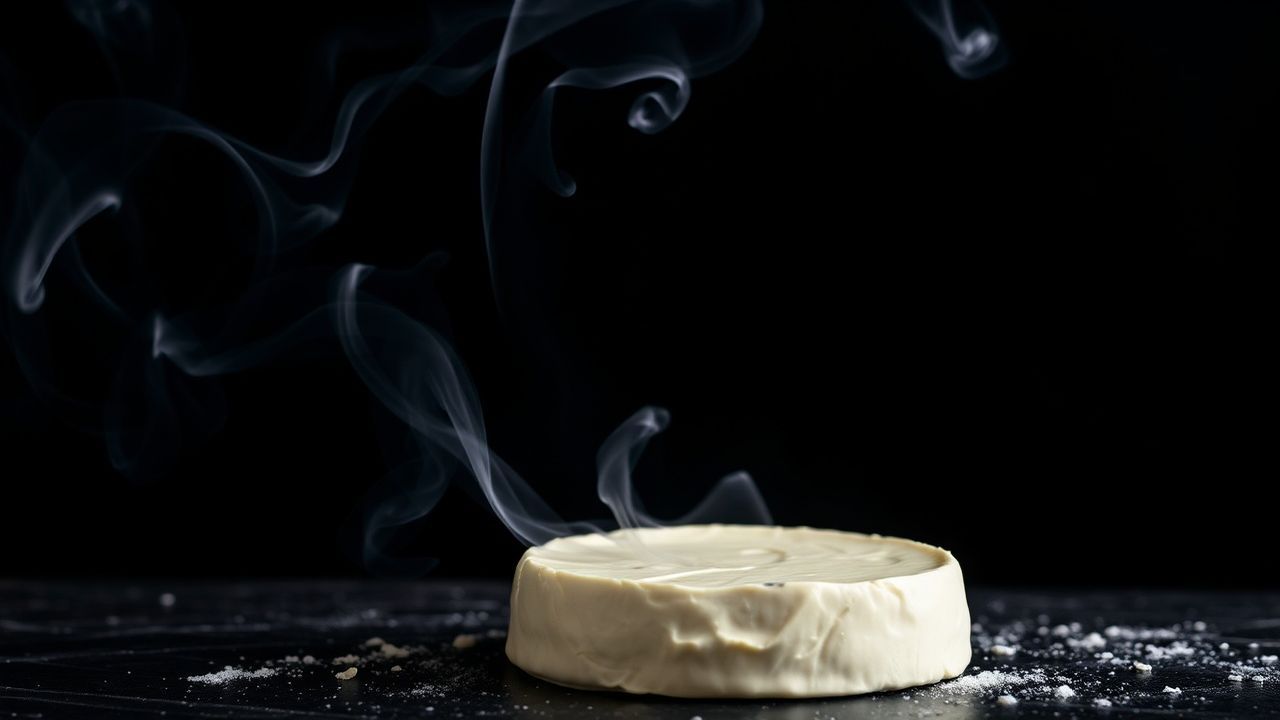
There is something almost alchemical about introducing smoke to a silky dairy base. Cream cheese soaks up delicate smoke aromas while keeping a spreadable texture when you control heat and time carefully.
This guide outlines equipment choices, temperatures, wood selection, and finishing techniques so you can create a reliable, repeatable smoked cream cheese every time. Expect detailed, actionable steps from prep to storage.
- Low heat and short time are the keys to maintaining texture while adding smoke.
- Block-style cream cheese absorbs smoke more cleanly than tub-style varieties.
- Fruitwoods such as apple and cherry pair best with cream cheese.
- Chill before and after smoking to set texture and let flavors marry.
Why Smoke Cream Cheese
Smoking cream cheese produces a nuanced, savory-sweet layer of flavor that complements breads, bagels, and charcuterie. The technique borrows from classical smoking (cooking) principles used for fish and other delicate proteins.
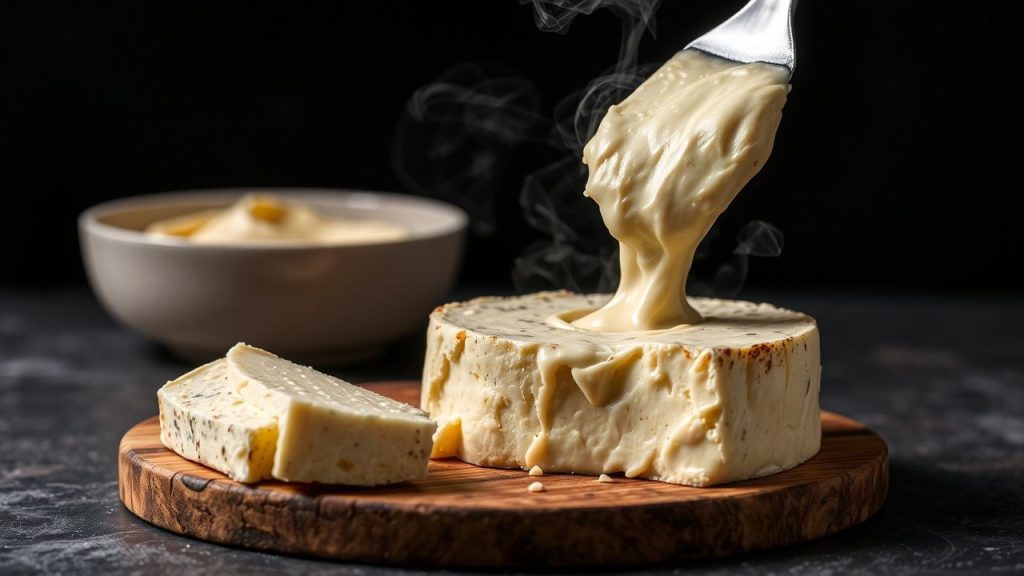
The finished product retains a spreadable mouthfeel but gains aromatic complexity. These attributes make smoked cream cheese useful as a standalone spread or as an ingredient in composed dishes like smoked-salad dressings and stuffed proteins.
Prep and Cook Time
Preparation: 10 minutes active; chill 30 minutes. Proper chilling improves smoke uptake and prevents premature softening.
Smoking: 1 to 2 hours at controlled low temperatures. Monitor to prevent the internal temperature from creeping above safe textural limits.
- Total: Approximately 2 hours 40 minutes including resting.
- Resting: 30 minutes at room temperature after smoking, then refrigerate to set texture.
Yield and Difficulty
This recipe yields about 8 servings from a 16 oz block, depending on portion size. It scales linearly; multiple blocks require proportionally more rack space in the smoker.
Difficulty rates as medium. You need a basic smoker and a reliable thermometer. The skill lies in monitoring temperature and choosing the right wood for balance.
Ingredients
Use full-fat, block-style cream cheese for best structure. Avoid tub-style spread because it contains stabilizers that reduce smoke adhesion and emulsion stability.
Keep additions minimal to preserve the creamy base. Small amounts of herbs, garlic, or honey can complement smoke but should be balanced carefully.
- 16 oz full-fat cream cheese, chilled and unflavored (block style)
- 1 tsp kosher salt
- 1 tsp smoked paprika (optional)
- 1 tbsp fresh herbs, finely chopped (thyme or rosemary)
- Wood chips: 1 cup applewood or cherrywood
- Plastic wrap or parchment for wrapping
- Optional: 1 clove minced garlic, 1/2 tsp cracked black pepper, or 1 tsp honey
Equipment and Safety Notes
Use a smoker that maintains low, steady heat. Pellet units, electric smokers, or offset smokers with careful airflow control all work for this application.
Keep a water pan available if your smoker dries the chamber; humidity protects the cheese surface and promotes even smoke deposition. Use a calibrated probe thermometer to track ambient and product temperatures.
Instructions
1. Prepare the Cream Cheese
Remove the block from refrigeration and unwrap. If the block is large, cut it into two pieces so smoke circulates more evenly around each portion.
Lightly season with salt and a dusting of smoked paprika on the surface. Press chopped herbs into the exterior so they release aroma without destabilizing the body of the cheese.
2. Chill and Shield
Wrap each block snugly in plastic wrap or parchment. Chill for 30 minutes; chilling firms the structure and reduces the risk of surface melt in the smoker.
For extra protection from radiant heat, place the wrapped blocks in a shallow, heat-safe dish on the smoker rack. This prevents direct contact with hot grates while allowing smoke contact.
3. Set the Smoker and Choose Wood
Preheat the smoker to a steady low range. Target an ambient chamber temperature between 90°F and 110°F (32°C–43°C) for reliable results.
Pick fruitwoods—apple or cherry—for a mild, sweet smoke that complements dairy. Avoid powerful woods like mesquite, which overpower delicate cream cheese flavors.
4. Smoke and Monitor
Place wrapped blocks away from direct heat on the center rack. Smoke for 1 to 2 hours based on your target intensity; check periodically to ensure the internal temperature does not exceed 110°F.
Shorter smoking (closer to 60 minutes) yields a light whisper of smoke. Two hours gives a more pronounced note but requires strict temperature control to preserve texture.
5. Rest and Chill
Remove blocks from the smoker and unwrap. Let them rest at room temperature for 30 minutes so volatile smoke compounds equilibrate with the cheese matrix.
Refrigerate in an airtight container after resting. Cold storage firms the product and allows flavors to meld; smoke intensity often rounds out overnight.
Tips for Success
Select block-style cream cheese. Blocks have a denser protein matrix and handle low heat better than whipped tubs. This maintains a smooth, spreadable result.
Maintain low, even heat. Rapid temperature spikes cause weeping or partial melt. A stable smoker environment produces cleaner smoke adhesion and consistent texture.
Experiment in small batches to dial in flavor. Take notes on wood type, smoking duration, and seasoning levels so you can reproduce your best outcomes.
Safety and Temperature Control
Monitor both the smoker chamber and the cheese internal temperature. Keep the internal temperature below 110°F to avoid textural breakdown while still letting smoke compounds penetrate.
Do not leave the smoker unattended for long stretches. Unexpected heat surges or weather changes can affect the chamber temperature and the final product.
Store smoked cream cheese in a refrigerator at or below 40°F. Consume within five days for best quality; label with date prepared to track freshness.
Serving Suggestions
Smoked cream cheese pairs beautifully with toasted bagels, artisan breads, and crisp crackers. The smoky-sweet profile balances acidic accompaniments like pickles or citrus segments.
Use dollops atop smoked salmon or folded into warm mashed potatoes for a subtle smoky richness. For boards, place alongside cured meats and roasted nuts for texture contrast.
Nutritional Snapshot
Below is an approximate per-serving breakdown for a 2-tablespoon portion from a 16 oz block. Values vary by brand and any added ingredients.
| Nutrient | Amount per serving |
|---|---|
| Calories | 120 kcal |
| Protein | 2 g |
| Carbohydrates | 1 g |
| Fat | 12 g |
Reference Notes and Further Reading
For technical background on smoking as a culinary method, consult the comprehensive overview of smoking (cooking). For dairy specifics, the cream cheese entry details composition and commercial varieties.
If you are building an appetizer board, the traditions of charcuterie and barbecue provide useful pairing frameworks for smoked flavors and texture contrasts.
FAQ
Can I smoke flavored or whipped cream cheese?
Yes, but results vary. Flavored and whipped varieties often contain stabilizers or additional water that reduce smoke uptake. If you start with a flavored product, expect more muted smoke absorption.
For the cleanest smoky flavor, begin with plain, full-fat block cream cheese and introduce flavorings either before or after smoking depending on the ingredient sensitivity to heat.
How long will smoked cream cheese last?
Store smoked cream cheese in an airtight container in the refrigerator at 40°F or below. Consume within five days for peak quality and safety.
If you need longer storage, freeze in portioned containers for up to one month, though texture may change slightly on thawing.
Which woods are best for this recipe?
Mild fruitwoods like apple and cherry are ideal because they add sweet, fruity smoke that complements dairy. Maple also works for a gentle caramel-like note.
Avoid strong woods like mesquite or heavy hickory for delicate cheese; they impart aggressive phenolics that can taste bitter at low exposure levels.
Can smoked cream cheese be used in cooking?
Absolutely. Fold smoked cream cheese into warm sauces, use it to stuff chicken breasts, or finish soups with a small dollop for an aromatic lift. Heat will mellow the smoke intensity, so adjust amounts accordingly.
For baked applications, incorporate smoked cream cheese at lower oven temperatures to preserve some of the smoky character without losing emulsification.
What if my cream cheese weeps after smoking?
Weeping indicates overheating or structural breakdown. Reduce smoking temperature, shorten smoke time, and make sure blocks are well chilled before exposure.
If separation occurs, chill the product immediately and use it within a short window; separation may recover partially when cooled, but textural changes can be permanent.
See also: Cream Cheese