
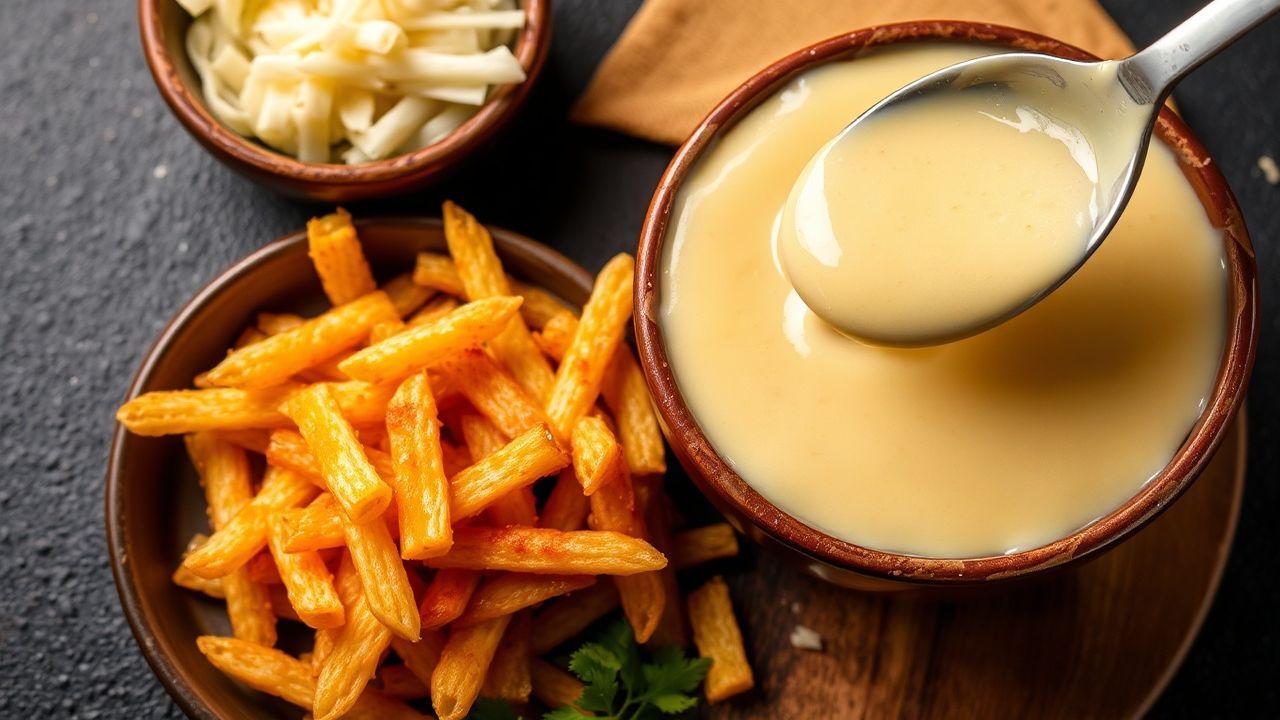

Smooth Moves: How to Fix Grainy Cheese Sauce Easily
There is nothing like a glossy, velvety cheese sauce to lift mac and cheese, nachos, or roasted vegetables. When that sauce turns grainy, the flavor can stay great while the texture ruins the experience; you can rescue it fast with the right technique.
- Know the cause: overheating and anti-caking agents are common culprits.
- Fix fast: add warm dairy or blend gently to re-emulsify separated proteins.
- Choose wisely: fresh-grated, high-moisture melting cheeses yield better texture.
- Store smart: reheat slowly with a splash of milk to preserve silkiness.
These steps focus on practical, repeatable techniques. Apply them and you will recover a broken sauce without starting over.
Understanding the Science
Graininess happens when cheese proteins tighten and squeeze out fat and water, producing a curdled texture. Heating cheese too fast or beyond its melting range forces that reaction and breaks the emulsion between fat and water.
Start by thinking of your sauce as an emulsion that needs gradual heat and gentle agitation. Learn the base method and you will prevent most failures.
Prep and Cook Time
Preparation: 10 minutes. Cook time: 15 minutes. These numbers assume moderate heat and small batches.
Warming milk and grating cheese just before use shortens active cooking time. That lowers the risk of overheating and gives you a smooth finish.
Yield
Serves 4 generous portions when poured over pasta or vegetables. The sauce firms slightly as it cools but will loosen with gentle reheating.
If you need more sauce, scale ingredients proportionally and keep heat low while melting. Larger volumes retain heat longer, so control the temperature closely.
Difficulty Level
Easy to Medium. The techniques require attention and timing rather than advanced skills. Home cooks will master them after a few tries.
Practice gives intuition for when to remove the pan from heat and how fast to whisk. Those instincts prevent most grainy outcomes.
Ingredients
Use whole milk or light cream for stability and body in the sauce. Low-fat liquids increase the chance of separation and dryness.
- 2 tbsp unsalted butter
- 2 tbsp all-purpose flour, sifted
- 1 ½ cups whole milk, warmed
- 8 oz sharp white cheddar, freshly grated
- 4 oz Gruyère, freshly grated
- ½ tsp salt
- ¼ tsp white pepper
- ½ tsp Dijon mustard (optional, for depth)
- 1 tsp lemon juice
Instructions
These steps follow a classic béchamel-based approach and emphasize temperature control. The béchamel acts as the stable matrix that supports melting cheese evenly.
- Make the roux: Melt butter over medium heat until it foams but does not brown. Stir in flour and whisk for about 2 minutes to cook out raw starch while keeping color light; this forms the roux foundation (roux).
- Incorporate warm milk: Gradually add warmed milk while whisking; continue until the mix thickens and coats a spoon. Using warm milk prevents thermal shock to the roux and produces an even base.
- Remove from heat: Pull the pan off the burner before adding cheese to stop further cooking. Residual heat in the pot is usually enough to melt cheese without tightening proteins.
- Add cheese slowly: Stir in small handfuls of freshly grated cheese and fold gently until each addition melts. Freshly grated cheeses lack anti-caking agents and melt more smoothly than pre-shredded varieties.
- Season and stabilize: Blend in salt, white pepper, Dijon, and a little lemon juice to balance flavor and relax protein bonds. A touch of acid helps stabilize the emulsion so the sauce holds together.
- Rescue grainy sauce: If graininess appears, add a splash of warm milk or cream and whisk over low heat to re-emulsify. Alternatively, use an immersion blender for a quick, controlled re-blending to restore silkiness without overheating.
Tips and Tricks to Rescue and Revive Grainy Sauce
When a sauce looks curdled, act fast and gently. High heat and vigorous boiling force proteins to seize tighter; reversing that requires added liquid and controlled motion.
Low-and-slow is the rule: keep the burner on low when you introduce dairy and never boil after cheese goes in. Mechanical blending or gradual addition of warm liquid will usually rescue texture.
Egg yolks create a stable texture but require tempering to avoid scrambling. Tempering means whisking a small amount of hot sauce into the yolk, then slowly adding that mixture back to the main pot while stirring.
Follow the warning by keeping hard grating cheeses to a supporting role rather than the primary melt. If you want Parmesan flavor, add a small amount off-heat and blend for flavor, not texture.
Chef’s Notes
Cheese selection: Blends such as cheddar plus Gruyère balance flavor and meltability. Choose cheeses with higher moisture and moderate aging to reduce graininess.
Milk matters: Whole milk or light cream gives better mouthfeel and lowers separation risk. For a richer sauce, substitute a portion of milk with light cream and reduce heat slightly.
- Freshly grated cheese: Always grate fresh for optimal melt; anti-caking agents in pre-shredded cheese impede smooth melting.
- Make-ahead: Refrigerate the roux base and reheat gently with milk before final melting to save time and protect texture.
Serving Suggestions
This sauce pairs with steamed vegetables, baked potatoes, or folded into perfectly cooked pasta. A garnish of chopped chives or smoked paprika adds visual contrast and a subtle flavor lift.
Try it over roasted broccoli or spooned onto crispy baked potatoes for a contrast of textures. For more ideas, see our Creamy Sauces Collection and the practical tips in Mac & Cheese Tips.
Nutrition
Per serving estimates depend on cheese type and portion size. Use whole-milk options for higher calories and richer mouthfeel; reduce portions if tracking macros.
| Nutrition Facts (per serving) | Amount |
|---|---|
| Calories | 320 kcal |
| Protein | 18 g |
| Carbohydrates | 12 g |
| Fat | 24 g |
Further Reading
To understand how individual cheeses melt, read the general overview on cheese. Different cheese families behave very differently when heated.
For more on dairy chemistry, see the entry for milk and its components. That helps explain why whole milk produces a more stable sauce than low-fat milk.
FAQ
Q1: Why does my cheese sauce turn grainy?
Overheating causes the protein network to contract and expel fat and water, creating a grainy texture. High temperature and rapid cooking accelerate this reaction and break the emulsion.
Controlling heat and adding cheese off-heat minimizes protein tightening. Gentle whisking and a warm dairy base keep the structure smooth.
Q2: Which cheeses are best for smooth melting?
Cheeses with moderate moisture and a balanced fat-to-protein ratio melt best; cheddar, Gruyère, and fontina are reliable choices. Aged, low-moisture hard cheeses often resist smooth melting.
Freshly grating cheese avoids anti-caking agents found in pre-shredded products, which can prevent a silk finish. Mixing two compatible cheeses gives flavor depth while preserving meltability.
Q3: How do I quickly fix a grainy sauce?
Remove from heat and whisk in a splash of warm milk or cream slowly until texture improves. If that fails, blend briefly with an immersion blender to re-emulsify the sauce.
Adding a tempered egg yolk can act as a binder for seriously split sauces, but temper slowly to avoid curdling. Work gently and test frequently to avoid overcorrection.
Q4: Can I store and reheat cheese sauce without losing texture?
Yes, cool the sauce quickly and refrigerate in an airtight container. Reheat slowly over low heat while stirring and add a splash of warm milk to restore creaminess.
Avoid microwave reheating at high power; rapid, uneven heating can trigger separation. Gentle stovetop reheating gives the best control and consistency.
Q5: Are there substitutes that avoid graininess entirely?
Processed cheeses and certain emulsified cheese sauces resist separation but taste different and may contain stabilizers. If you need guaranteed meltability, use products formulated for that purpose.
For fresh-cooked flavor with good texture, rely on the béchamel method, warm liquids, and fresh-grated cheeses. Those choices balance taste and melt performance.
Master these methods and grainy cheese sauce will become a rare event. Keep a few practical fixes in your recipe toolkit and you will recover most sauces without waste.
See also: Cheese Sauce