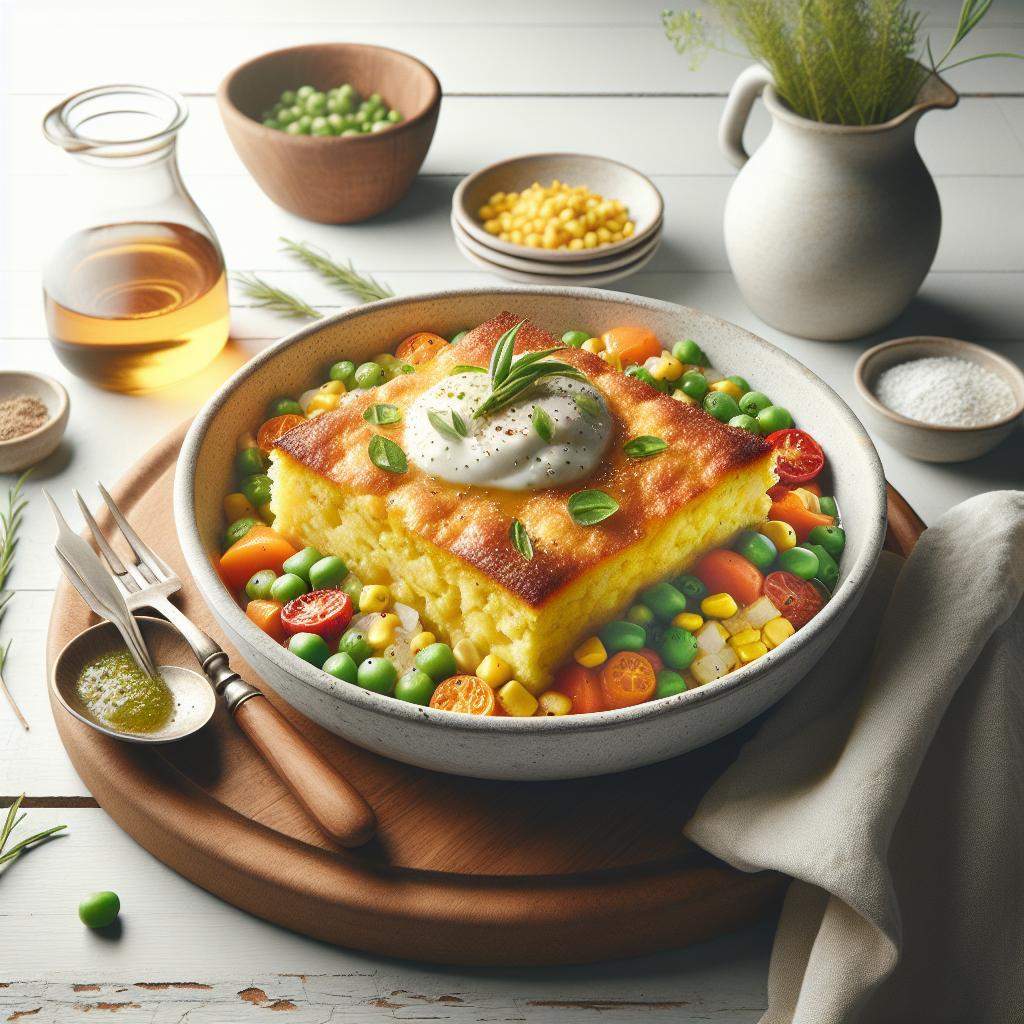

In Southern kitchens, spoon bread serves as a creamy, comforting bridge between cornbread and custard. This dish honors simple ingredients and careful technique to yield a soft, spoonable center under a thin golden crust.
- Comfort food with roots: Cornmeal, eggs, and butter create the defining texture.
- Technique matters: Whipping and folding egg whites gives air without collapsing the custard.
- Versatile pairing: Spoon bread complements collards, smoked meats, and vegetable stews.
- Make-ahead friendly: Assemble ahead and bake or reheat gently for best results.
The Heartwarming Origins of Southern Spoon Bread and Its Cultural Significance
Southern spoon bread grew from regional cornmeal cooking traditions and resourceful home kitchens. Its lineage links to Native American corn preparations and African American culinary innovation, which shaped the dish across generations.
For context, cornmeal forms the backbone of many indigenous American foods, and the cross-cultural evolution of spoon bread reflects broader Southern cooking history. See related background on Native American cuisine and its influence.
Historical Context and Culinary Links
When exploring spoon bread, consider how staple crops and technique drove peacetime and survival cooking in the South. Regional climate and agriculture favored corn as a primary grain, which made cornmeal central to everyday dishes.
To understand the wider culinary setting, consult entries on Southern United States cuisine and soul food for tradition and social context. These resources clarify how spoon bread became a shared comfort across households.
Prep and Cook Time
Preparation for a classic spoon bread requires around 15 minutes of hands-on work with about 45 minutes in the oven. The total time typically runs near one hour, including a short rest period after baking.
These timeframes assume a single 2-quart baking dish and moderate oven accuracy; adjust for larger pans or different oven performance. For reliable results, preheat thoroughly and use an oven thermometer when precision matters.
- Preparation: 15 minutes
- Cooking: 45 minutes
- Total: ~1 hour
Yield and Difficulty Level
This recipe yields about 6–8 generous servings, making it suitable for family meals or small gatherings. Portion sizes vary with side dishes and appetite, but the dish scales well when multiplied.
Difficulty rates as medium because texture control requires attention to technique, particularly egg white handling and cornmeal hydration. With step-by-step focus, an experienced home cook or an enthusiastic beginner can produce consistent results.
Essential Ingredients and Flavor Variations
Core components remain simple: fine cornmeal, whole milk, eggs, butter, salt, and a touch of sugar if you prefer a faintly sweet edge. Experienced cooks often add cheese or smoked spices to shift the profile from delicate to savory.
Below is a practical ingredient list you can follow or adapt based on taste and dietary needs.
- 1 cup fine yellow cornmeal
- 2 cups whole milk, warmed (or dairy alternative)
- 4 large eggs, separated
- 3 tbsp unsalted butter, melted, plus extra for greasing
- 1 tsp baking powder
- 1 tsp kosher salt
- 2 tbsp granulated sugar (optional)
- 1 cup sharp cheddar, shredded (optional)
- 1/2 tsp smoked paprika (optional)
- Fresh herbs such as chives or thyme for finishing
Fine cornmeal hydrates more smoothly and produces a tender custard; coarser grinds yield grainier texture. For more on the ingredient at the heart of the dish, review the cornmeal entry at Cornmeal.
Crafting the Perfect Spoon Bread Texture
Texture depends on two controlled elements: properly hydrated cornmeal and correctly aerated egg whites. Cook the cornmeal into a soft porridge, then cool slightly before combining with yolks to avoid curdling the eggs.
Next, whip egg whites to stiff peaks and fold them in gently to preserve air. A careful, deliberate fold in three additions locks in lift while maintaining custard creaminess.
Follow these technical steps to control structure while delivering a silky center beneath a bronzed top.
- Preheat and grease: Heat oven to 350°F (175°C) and butter a 2-quart dish generously.
- Warm milk: Heat milk to just below simmering so it hydrates cornmeal smoothly.
- Cook cornmeal: Whisk cornmeal into warm milk over medium heat until you reach a porridge consistency, about 5 minutes.
- Combine yolks: Off heat, stir in melted butter, salt, baking powder, and yolks.
- Whip whites: Beat egg whites to stiff peaks with a pinch of salt.
- Fold: Fold whites into the cornmeal mixture in thirds, keeping as much air as possible.
- Bake: Pour into the prepared dish and bake 40–45 minutes until top is golden and interior wobbles slightly.
- Rest: Let rest 10 minutes before spooning to settle the custard.
Step-by-Step Instructions
Follow the sequence below to reproduce the classic spoon bread profile reliably at home. These steps emphasize timing, temperature control, and gentle handling.
- Preheat oven to 350°F and butter a 2-quart baking dish generously.
- Warm milk to just below simmering; then whisk in cornmeal and stir until it thickens to a porridge-like consistency, about 5 minutes.
- Remove from heat and stir in melted butter, salt, baking powder, and any optional flavorings like cheese or smoked paprika.
- Separate eggs; beat yolks into the warm cornmeal mixture until smooth.
- Beat egg whites to stiff peaks, then fold them into the cornmeal base in three additions.
- Transfer batter to the prepared dish and bake 40–45 minutes until the top is golden and the center still jiggles softly.
- Rest 10 minutes before serving to let the custard settle, then garnish with herbs or a small pat of butter.
Tips for Success
Small technique adjustments produce consistently superior spoon bread. Temperature-sensitive steps like warming the milk and resting the baked dish determine the final texture more than ingredient tweaks.
Use room-temperature eggs and separate bowls to avoid fat contamination in whites, which prevents stiff peaks. When trying a dairy-free version, increase fat slightly with a plant-based butter substitute to maintain creaminess.
- Consistency: Avoid overmixing after folding whites; stop when streaks vanish.
- Milk alternatives: Unsweetened oat milk keeps creaminess; add 1–2 tbsp extra fat if needed.
- Cheese swaps: Monterey Jack or pepper jack work well for a melty, mild profile.
- Make ahead: Assemble, chill, and add 5–10 minutes to bake time if baking from cold.
- Troubleshooting: Dense outcome usually means whites were underwhipped or overfolded.
Serving Suggestions and Pairings
Spoon bread pairs well with traditional Southern sides and modern vegetable dishes alike. Serve with buttery collard greens, smoked turkey, tomato gravy, or grilled vegetables for contrast in texture and flavor.
Garnish with chopped chives or thyme and a small pat of cultured butter or a drizzle of honey to enhance the savory-sweet balance. For a complete soul food plate, select a bold, acidic side to cut through the richness.
Nutrition
Per-serving nutrition varies with optional cheese and butter amounts, but a typical portion sits near moderate calories with balanced macronutrients. Adjust ingredient portions for lower fat or reduced sodium as needed.
| Nutrition (per serving) | Calories | Protein | Carbs | Fat |
|---|---|---|---|---|
| Southern Spoon Bread | ~240 kcal | 7 g | 30 g | 10 g |
Further Reading and Context
For scholars and cooks seeking broader culinary context, the rise of spoon bread intersects with migration patterns, crop choices, and household economies in the American South. Those themes connect to documented regional food histories.
Consult additional reading on Soul food traditions and agricultural role of corn via the Cornmeal entry. These sources help frame spoon bread beyond a single recipe.
FAQ
What is spoon bread and how does it differ from cornbread?
Spoon bread resembles a soft custard made from cornmeal, eggs, and milk, meant to be eaten with a spoon rather than sliced. Unlike typical cornbread, spoon bread uses whipped egg whites to achieve a lighter, creamier interior.
Is spoon bread gluten-free?
Pure spoon bread made with only cornmeal is gluten-free, since cornmeal contains no gluten. However, check labels and avoid recipes that add wheat flour to ensure safety for gluten-sensitive diets.
Can I make spoon bread ahead of time?
You can assemble spoon bread and refrigerate before baking, or bake and rewarm gently later, adding a splash of milk if it dries. Fresh-from-the-oven texture remains optimal, but reheating works well if handled gently.
What causes spoon bread to become dense?
Density usually results from underwhipped egg whites, overfolding, or insufficient aeration during mixing. Ensure whites form stiff peaks and fold them in slowly to preserve trapped air for lift.
What are good pairings for spoon bread?
Serve spoon bread alongside collard greens, smoked meats, tomato gravy, or roasted vegetables to balance richness with acidity and texture. A light salad with a citrus vinaigrette also complements the dish nicely.
See also: Spoon Bread