
Spice It Up: How to Make Homemade Jalapeño Relish Easily
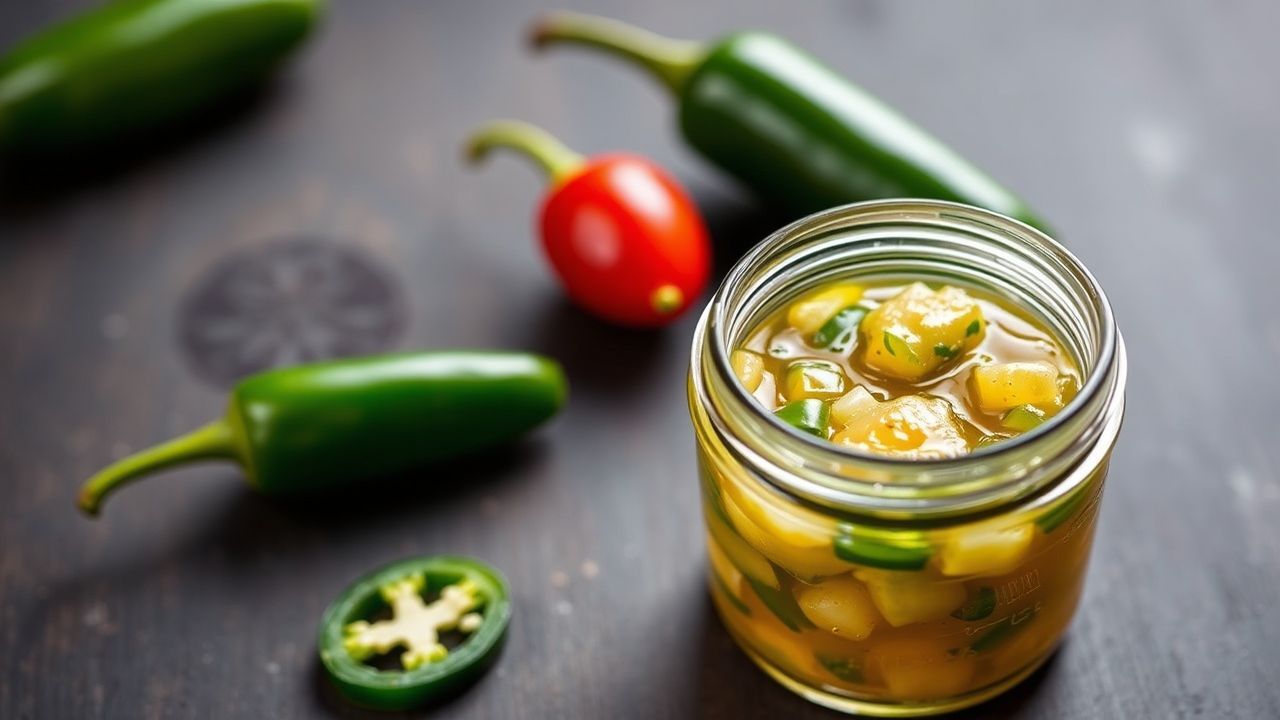
Homemade jalapeño relish delivers bright heat, tang, and sweetness in a compact, versatile condiment. You can finish this relish in about 30 minutes and tailor its heat to suit any palate. Use it to elevate burgers, tacos, eggs, and more with immediate, fresh flavor.
- Fast prep: About 30 minutes from start to jar.
- Adjustable heat: Control capsaicin by removing seeds and membranes.
- Multi-use: Works as a topping, mix-in, or dip base.
- Make-ahead friendly: Improves after a few hours in the fridge.
Mastering the Art of Jalapeño Relish: Prep & Time
The recipe emphasizes efficient technique without sacrificing flavor. You spend roughly 15 minutes prepping and 15 minutes simmering; the result is a fresh relish with preserved brightness.
To work efficiently, organize your mise en place: rinse and stem peppers, dice onion, and measure vinegar and sugar before you heat the pan. This reduces overcooking and keeps textures lively.
Yield and Simplicity
This batch yields about 2 cups, enough to serve 6–8 people as a topping or to store for a week of meals. The yield makes it practical for small gatherings and weekly meal prep.
Level: Easy. The method uses basic sautéing and a short simmer. The technique suits beginners and provides room for small adjustments that change texture and heat.
Essential Ingredients for Your Jalapeño Relish
Use fresh components to preserve bright color and crunchy texture. The list below covers the standard recipe and optional flavor boosters for complexity.
Core ingredients: jalapeños, yellow onion, garlic, apple cider vinegar, sugar, salt, turmeric, neutral oil, cilantro, and lime. For background on the jalapeño pepper, consult Jalapeño.
- 6–8 fresh jalapeños — stemmed and chopped. Remove seeds to lower heat.
- 1 medium yellow onion — diced to add natural sweetness.
- 2 cloves garlic — minced for aromatic depth.
- 1/2 cup apple cider vinegar — tang and mild fruitiness; see apple cider vinegar.
- 1/3 cup granulated sugar — balances acid and heat.
- 1 tsp salt — flavor amplifier.
- 1/4 tsp turmeric — optional for color and subtle earthiness.
- 1 tbsp oil — avocado or olive for sautéing aromatics.
- 1/4 cup cilantro — optional fresh herb finish.
- Juice of 1/2 lime — final bright note.
Step-by-Step Guide to Culinary Perfection
This section breaks the process into clear actions. Follow each step to build layers of flavor while keeping texture vibrant.
Step 1: Prepare the jalapeños
Wear gloves and remove stems. For milder relish, seed and remove membranes; leave them in for full heat.
Chop jalapeños finely to release oils. Use a sharp knife to reduce bruising and limit the release of additional capsaicin.
Step 2: Sauté aromatics
Heat oil in a medium skillet over medium heat. Add diced onion and sauté until translucent, about five minutes, stirring to avoid browning.
Stir in minced garlic and cook another minute until fragrant. Remove from high heat quickly to prevent bitterness from burned garlic.
Step 3: Combine and simmer
Add chopped jalapeños, vinegar, sugar, salt, and turmeric to the skillet. Stir to dissolve sugar and integrate aromatics.
Reduce heat to low, cover, and simmer gently about ten minutes. The peppers will soften while keeping a slight bite if you avoid overcooking.
Step 4: Add finishing touches
Remove from heat and stir in chopped cilantro and lime juice. These ingredients brighten the relish and sharpen the overall profile.
Taste and adjust: add a pinch more salt for balance or a teaspoon of sugar if you prefer sweeter preserves. Small tweaks at this stage yield major flavor shifts.
[having a separated paragraph to ensure spacing before the WARNING block]
Let the relish sit off heat for several minutes to cool slightly before transferring to jars. Cooling prevents steam from building pressure in storage containers.
Step 5: Cool and store for maximum flavor
Cool the relish to room temperature, then transfer to a clean, airtight jar. Refrigerate for at least two hours to let flavors marry; it tastes even better after overnight resting.
Stored in the fridge, the relish keeps well for 2–3 weeks. For longer shelf life, apply proper canning techniques; study standard food preservation methods before attempting shelf-stable packaging.
Chef’s Notes – Elevating Your Relish Game
Small technique changes produce distinct outcomes in texture and heat. Use these notes to tweak the recipe toward your preferred flavor profile.
Choose fresh, firm peppers with bright color and no soft spots. Freshness impacts both flavor and tactile crunch.
Choosing the perfect jalapeños
Look for peppers that feel heavy for their size and snap when bent. Older or soft peppers can taste dull and watery.
For smoky notes, roast whole peppers briefly under high heat, then peel and chop. Roasting introduces complexity and reduces raw vegetal bite.
Adjusting heat level and texture
Capsaicin concentrates in the membrane and seeds; remove them to reduce heat. For a controlled heat curve, mix seeded and unseeded peppers.
If you prefer a uniform texture, pulse peppers briefly in a food processor. For a chunky relish, chop by hand with a sharp knife.
Make ahead and storage recommendations
Make this relish up to a week ahead when refrigerated. Flavors deepen over time, and texture softens slightly, which many cooks prefer.
For long-term storage, follow verified canning procedures and pH testing to ensure safety. When in doubt, refrigerate and consume within a few weeks.
Creative variations
Add diced mango or pineapple for a sweet-heat balance during the simmer. For smoky depth, substitute roasted jalapeños or add a pinch of smoked paprika.
Try mustard seeds in the skillet for a tangy, crunchy pop. Small additions like celery seed or cumin can shift the relish toward pickled or Latin flavors.
Creative Serving Suggestions to Ignite Your Meals
Use the relish as more than a condiment; integrate it into dishes to build contrast and brightness. It cuts through rich textures and adds a fresh, piquant layer.
Spoon over grilled proteins, add to sandwiches, or fold into mayonnaise for a spread. You can also stir a spoonful into yogurt or sour cream for a quick dip.
- Grilled meats: Bright counterpoint to fatty cuts like pork or chicken.
- Sandwich spread: Use instead of ketchup on burgers for lift.
- Dip base: Mix into cream cheese or yogurt for chips and crudités.
- Breakfast: Add to scrambled eggs or an omelet for a spicy morning boost.
FAQ
Is homemade jalapeño relish better than store-bought?
Homemade relish gives you direct control over sweetness, acidity, and heat. You avoid unnecessary preservatives and can fine-tune texture and freshness.
Also, making it at home lets you experiment with regional flavors or seasonal fruit additions that store brands rarely offer.
How can I control the spiciness precisely?
Remove seeds and inner membranes to lower heat. Combine seeded and unseeded peppers to create an intermediate heat level.
For nuanced control, add vinegar or sugar incrementally, since acidity and sweetness alter perceived heat.
What is the best vinegar for this relish?
Apple cider vinegar adds mild fruit notes that pair well with jalapeños; plain white vinegar gives a sharper, cleaner acid. Try small batches to determine your preference.
For background on vinegar varieties, see the general vinegar overview.
Can I make this without vinegar?
You can substitute citrus juice like lime for a short-lived relish, but it shortens shelf life. Vinegar also acts as a preservative, so omitting it requires refrigeration and quick consumption.
Consider this a fresh condiment rather than a preserved product when you use acids other than vinegar.
How long will homemade jalapeño relish last?
Refrigerated in a sealed jar, expect 2–3 weeks of quality. For shelf-stable storage, follow formal canning procedures and verify acidity levels before long-term storage.
If you notice off smells, mold, or bubbles, discard the batch and sanitize jars and utensils before the next attempt.
See also: jalapeño relish