
Picture a softly lit dining room filled with laughter, clinking glasses, and the aroma of a thoughtfully prepared meal. Instead of a last-minute scramble, the evening unfolds calmly because the work happened hours or days earlier.
- Plan menus that improve with time: choose dishes that gain depth when chilled.
- Build a clear timeline: assign prep, passive chilling, and finishing steps.
- Mise en place: organize ingredients, labels, and storage to speed final assembly.
- Serve confidently: finish plating, not cooking, when guests arrive.
Planning Perfection: Crafting Your Menu with Make-Ahead Magic
Successful hosting begins with menu architecture. Select items that tolerate refrigeration, benefit from marination, or can be reheated gently without losing texture.
Target a balance of temperatures and textures: a chilled starter, a warm main that reheats well, and a dessert that sets overnight. For context on formal entertaining traditions, consider the history of the dinner party.
Menu Rules and Selection
Favor components that separate prep from finish: sauces, roasted vegetables, and chilled desserts. This approach makes plating the primary final task and reduces onsite cooking time.
Include at least one dish that can sit at room temperature for an hour after plating, and one item with clear passive chilling time. That way, service windows stay flexible and stress remains low.
Recipes: Roasted Vegetable Terrine and Chocolate Mousse
These two make-ahead recipes pair well: the terrine offers a composed savory starter, while the mousse delivers a classic, airy finish. Both gain structure and depth when rested overnight.
Below you’ll find ingredient lists and procedural notes written for batch preparation, mise en place, and reliable timing. For how-to specifics on assembling set desserts, see the recipe concept overview.
Ingredients (Serves 6–8)
Roasted Vegetable Terrine:
- 2 medium zucchinis, thinly sliced lengthwise
- 2 red bell peppers, roasted, peeled, and sliced
- 1 large eggplant, thinly sliced and roasted
- 1 cup goat cheese, softened
- 1/4 cup fresh basil, chopped
- 2 cloves garlic, minced
- 2 tbsp extra virgin olive oil, salt and pepper to taste
- 1 tbsp balsamic glaze for finishing
Chocolate Mousse:
- 200g dark chocolate (70% cocoa), chopped
- 3 large eggs, separated
- 1/4 cup granulated sugar
- 1 cup heavy cream
- 1 tsp vanilla extract, pinch of salt
Timing and Yield
Preparation: 45 minutes active work with layered passive times. Plan for overnight chilling to let flavors meld.
Total time: Approximately 8–10 hours including passive chilling. Yield: serves 6–8 generously.
Step-by-Step Instructions
Vegetable terrine: Roast sliced vegetables on baking sheets brushed with oil until caramelized and tender. Cool completely before assembly to avoid condensation that weakens structure.
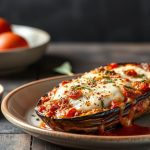
Make the goat cheese filling by combining goat cheese, garlic, and basil until smooth; thin slightly with oil if needed. Line a loaf pan with plastic wrap, layer vegetables with thin spreads of cheese, press gently, and chill overnight to set.
Chocolate mousse: Gently melt chopped chocolate and allow slight cooling to 40–45°C to avoid scrambling eggs. Whip cream to soft peaks and whip egg whites with a pinch of salt to glossy peaks; fold in stages to preserve air.
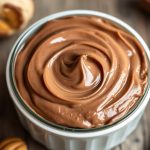
Combine cooled chocolate with whipped cream, then fold in beaten egg whites carefully. Portion into glasses or ramekins and chill at least four hours or overnight. For guidance on dessert textures, review the entry on mousse.
Chef’s Notes and Make-Ahead Strategies
Layering flavors over time enhances both terrine and mousse. The terrine benefits from a day in the fridge for acid and herbs to mellow, while mousse firms and gains silkiness when chilled slowly.
Store components in airtight containers, label with prep dates, and place the terrine toward the front of the fridge to maintain consistent cold exposure. Use clear labeling to streamline service and avoid last-minute checks.
When scaling recipes, keep passive times consistent; doubling ingredients rarely doubles passive chill or set times. Test single-batch timing before scaling to a larger guest list.
Allow at least one hour between removal from fridge and service for terrine slices to reach ideal mouthfeel; this small window softens chilled cheeses and releases aromatic notes. For mousse, rapid warming leads to collapse—plate straight from fridge when chilled correctly.
Serving Suggestions and Pairings
Present the terrine in neat rectangles on minimalist plates with microgreens or arugula and a light drizzle of balsamic glaze. Toasted baguette or whole-grain crackers provide contrast in texture and soak up any dressing.
For the mousse, choose clear glassware to show layers and top with berries or shaved chocolate. Pair the dessert with a chilled late-harvest or dessert-style wine to complement chocolate richness; see general wine background wine.
Logistics: Timeline and Service Flow
Create a two-day timeline for larger parties: day one for most cooking and chilling, day two for finishing touches and assembly. Use time blocks of 30–90 minutes for discrete tasks to maintain momentum.
Set up a beverage station and a pass for plated items so you can remain present with guests. Keep small bites flowing early so guests nibble while you complete warm-ups and final garnishes.
Practical Tips for Food Safety and Texture Control
Keep chilled items below 40°F (4°C) until service and follow standard refrigeration guidelines to prevent bacterial growth. Label food with preparation dates to monitor shelf life confidently.
To control texture, avoid over-whipping creams and egg whites; monitor visually for soft, then firm peaks. For roasted vegetables, avoid overcrowding pans to prevent steaming rather than caramelizing.
Nutritional Snapshot
| Nutrient | Per Serving (Terrine) | Per Serving (Mousse) |
|---|---|---|
| Calories | 150 | 350 |
| Protein | 6g | 5g |
| Carbohydrates | 12g | 25g |
| Fat | 9g | 28g |
Q&A
Q1: How far in advance can I prepare each component?
A1: Most elements hold for 24–72 hours refrigerated. Roasted vegetables and fillings usually last two to three days; mousse keeps up to 48 hours at peak texture. Always cool items quickly before refrigeration to protect quality.
Q2: Which dishes should I avoid for make-ahead menus?
A2: Avoid items that rely on immediate crispness from frying or delicate aeration that breaks quickly. Tempura, quick-fry items, and some soufflés do not suit long passive periods.
Q3: Can I use substitutes for dairy or eggs?
A3: Yes. Use plant-based creams that whip (testing required) and aquafaba as an egg-white alternative for the mousse. Texture will differ, so trial a small batch before serving guests.
Q4: How do I manage last-minute dietary restrictions?
A4: Keep a flexible component like a grain salad or a vegetable platter that can be quickly adapted. Label ingredients during prep so you can pivot without full recipe rewrites.
Concluding Remarks
Well-executed make-ahead hosting converts work into calm. With clear timelines, precise mise en place, and recipes that thrive in cool rest, you trade frantic stove-side moments for convivial presence.
Practice these strategies across a few gatherings to refine timing and personal preferences. Over time, you will build a dependable repertoire that keeps dinner parties both elegant and relaxed.
FAQ
How do I scale recipes for larger groups?
Scale ingredients linearly, but test passive times as they do not always scale equally. Consider multiple smaller pans for even roasting rather than one large tray.
Is overnight chilling always better?
Often yes for flavor melding, but not for every element. Some aerated desserts prefer shorter chilling to retain lift; follow recipe benchmarks and test once before guests arrive.
What refrigeration practices should I follow?
Store items airtight, place ready-to-serve dishes toward the front for consistent temperature, and avoid repeated door openings. Use thermal containers for transport if hosting offsite.
Can I reuse components for multiple menus?
Absolutely. Roast a large batch of vegetables and repurpose them across salads, terrines, and warm sides. Batch cooking increases efficiency and reduces per-guest prep time.
Where can I learn more about classic entertaining techniques?
Study historical entertaining and modern practice through culinary references and technique guides. The principles remain consistent: plan, prepare, and present with simplicity.
See also: Make-Ahead