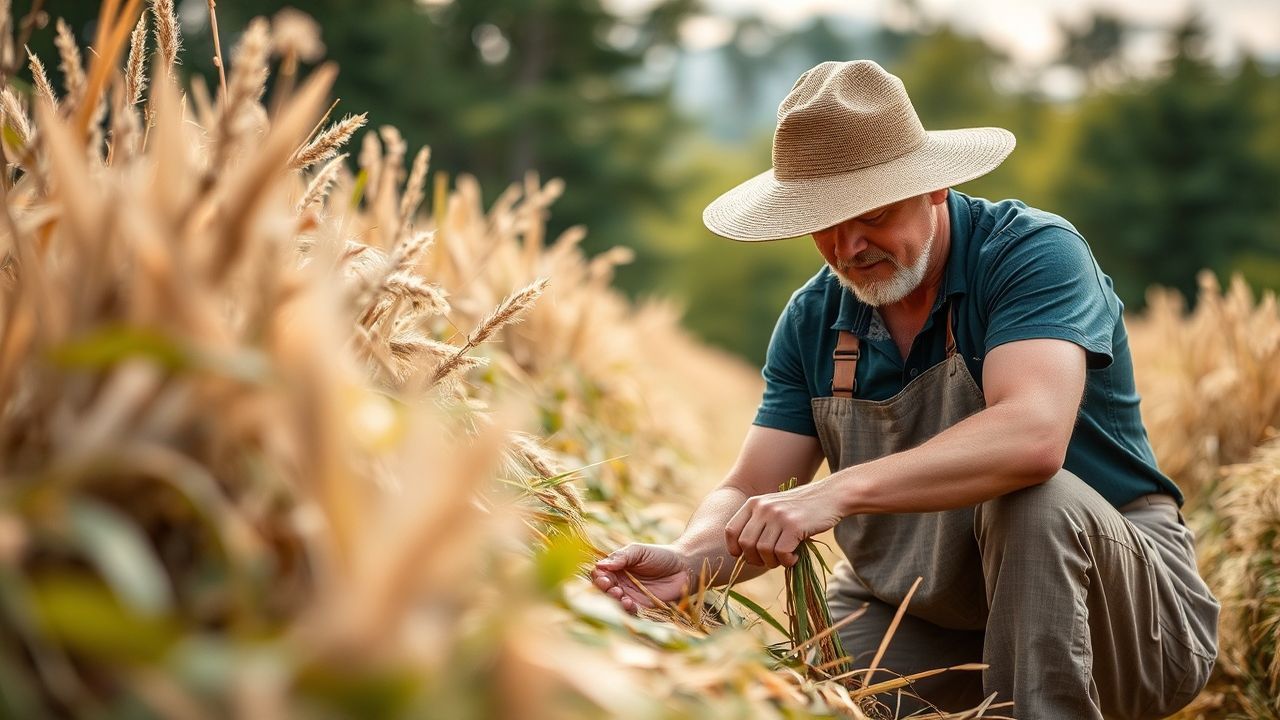

Sustainable harvesting transforms the act of cooking into a direct partnership with the earth. It goes beyond simple grocery shopping. It requires understanding the lifecycle of your ingredients and their impact on the local ecosystem.
Many home cooks feel disconnected from the source of their food. This disconnect often leads to purchasing ingredients that deplete soil health or harm wildlife populations. Ethical sourcing offers a solution that benefits both the flavor of your dish and the planet.
By prioritizing regenerative practices, we ensure that our consumption supports abundance rather than scarcity. This guide explores the principles of ethical foraging and provides a master recipe to bring these concepts to your table.
At a Glance: Key Takeaways
- Regeneration First: True sustainable harvesting leaves the environment stronger than before the harvest.
- Ingredient Intelligence: Understanding seasonal cycles prevents over-harvesting of vulnerable species.
- Waste Reduction: Utilizing whole ingredients minimizes the culinary carbon footprint.
- Flavor Depth: Wild and ethically sourced ingredients often possess superior nutritional profiles and taste.
The Philosophy of Sustainable Harvesting
Sustainable harvesting is the practice of collecting natural resources at a rate that allows the population to regenerate. This concept applies to everything from timber to wild mushrooms. It is the antithesis of industrial extraction.
In the culinary world, this means choosing ingredients that support biodiversity. Monocultures strip the land of nutrients. Diverse ecosystems, however, rely on a complex web of interactions between plants, fungi, and animals.
When you choose wild-foraged foods or sustainably farmed shellfish, you support these complex systems. You become a steward of the land. This approach aligns closely with the principles of sustainable agriculture, which aims to meet society’s food needs without compromising future generations.
Ingredient Spotlight: Wild Mushrooms
Wild mushrooms are the crown jewels of sustainable foraging. Unlike plants that require tilling and planting, mushrooms are the fruiting bodies of underground fungal networks. Harvesting them correctly does not harm the organism.
The underground network, known as mycelium, acts as nature’s internet. It connects trees and plants, transferring nutrients and water. When we harvest the mushroom, the mycelium remains intact, ready to produce again.
Sourcing and Safety
Sourcing wild mushrooms requires absolute certainty. There is no room for guesswork. If you cannot identify a species with 100% accuracy, do not consume it. Many edible varieties have toxic look-alikes.
Purchase from certified foragers if you are not an expert. These professionals follow strict protocols to ensure the longevity of the patch. They cut the stems rather than ripping them out, protecting the delicate mycelial mat below.
Ingredient Spotlight: Ethical Shellfish
Shellfish such as mussels and clams are among the most sustainable proteins on the planet. They are filter feeders. They improve water quality by removing excess nitrogen and particulate matter as they grow.
Farming bivalves requires zero input. They do not need fresh water, feed, or fertilizers. They simply extract nutrients from the ocean currents. This makes them a net-positive food source for the environment.
When shopping, look for rope-grown mussels or farmed clams. These methods avoid dredging the sea floor. They protect the benthic habitats where other marine life thrives.
Recipe: Forest & Ocean Medley
This recipe embodies the harmony of sustainable harvesting. It combines the earthy depth of the forest with the briny brightness of the ocean. Every ingredient is chosen for its low environmental impact and high flavor profile.
Prep and Cook Time
Preparation: 20 minutes
Cooking: 15 minutes
Total Time: 35 minutes
Yield
Serves 4
Difficulty Level
Medium
Ingredients
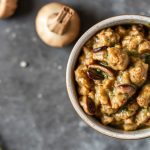
- 2 cups wild foraged mushrooms (Chanterelles or Morels preferred), cleaned and sliced
- 1 cup organic heirloom tomatoes, chopped rough
- 1/2 cup sustainably harvested shellfish (mussels or clams), scrubbed and debearded
- 3 cloves fresh garlic, minced fine
- 1 small yellow onion, finely diced
- 2 tablespoons extra virgin olive oil (cold-pressed)
- 1 teaspoon fresh thyme leaves, stripped from stem
- 1/4 cup dry white wine (Sauvignon Blanc works well)
- Sea salt and cracked black pepper, to taste
- Fresh flat-leaf parsley, chopped for garnish
- Rustic sourdough bread, thick-cut for serving
Step-by-Step Instructions
1. Clean the Harvest
Begin by cleaning the wild mushrooms. Use a damp cloth or a soft brush. Avoid soaking them in water, as mushrooms act like sponges and will become soggy. Rinse the shellfish under cold running water. Discard any shells that are cracked or do not close when tapped.
2. Build the Flavor Base
Heat the olive oil in a heavy-bottomed skillet over medium heat. Add the diced onion. Sauté for 3 to 4 minutes until the onions turn translucent and sweet. Add the minced garlic and cook for 60 seconds. Do not let the garlic burn, or it will turn bitter.
3. Sauté the Mushrooms
Increase the heat slightly. Add the sliced mushrooms to the pan. Spread them out to ensure they sear rather than steam. Cook for 5 minutes until they release their moisture and turn a rich golden brown. This browning is the Maillard reaction, which creates deep savory notes.
4. Integrate Freshness
Stir in the chopped heirloom tomatoes and fresh thyme. Cook for 3 minutes. The acid from the tomatoes will begin to break down, creating a rustic sauce. Season gently with salt and pepper. Remember that the shellfish will release naturally salty liquid later.
5. Deglaze the Pan
Pour the white wine into the hot skillet. Scrape the bottom of the pan with a wooden spoon to release the "fond" (the browned bits of flavor). Allow the wine to reduce by half. This concentrates the acidity and removes the harsh alcohol taste.
6. Steam the Shellfish
Nestle the cleaned shellfish into the bubbling tomato and mushroom mixture. Cover the skillet with a tight-fitting lid. Steam for 5 to 7 minutes. The steam trapped inside cooks the shellfish gently and evenly.
7. Final Assessment and Service
Remove the lid. Check that all shellfish have opened fully. Discard any that remain closed; these are not safe to eat. Taste the broth and adjust the salt if necessary. Scatter fresh parsley over the dish for a burst of color and herbaceous flavor.
Chef’s Notes for Success
- Vegan Adaptation: Replace shellfish with smoked tofu or marinated artichoke hearts. Use vegetable broth instead of wine for a milder flavor profile.
- Identification: Never guess with wild mushrooms. Consult a local expert or stick to store-bought organic varieties like Shiitake or Oyster if you are unsure.
- Timing: Shellfish cook quickly. Overcooking turns them rubbery. Serve immediately once they open.
- Wine Pairing: A crisp, dry white wine pairs best. It cuts through the richness of the olive oil and complements the brininess of the seafood.
Serving Suggestions
Presentation matters in sustainable cooking. Serve this dish directly from the skillet for a rustic, communal feel. Provide ample crusty bread to soak up the nutrient-dense broth.
Pair this meal with a simple side salad of bitter greens like arugula or radicchio. The bitterness balances the sweet umami of the mushrooms. For a heartier meal, serve over a bed of polenta made from organic corn.
For more ideas on eco-friendly cooking, check out our Organic Seasonal Recipes Guide. You can also learn more about reducing kitchen waste in our Complete Guide to Zero-Waste Cooking.
FAQ: Sustainable Harvesting Explained
What defines sustainable harvesting?
Sustainable harvesting is the collection of resources in a manner that guarantees their regeneration. It balances current human needs with the long-term health of the ecosystem. It ensures that species are not depleted faster than they can reproduce.
Why is this method important for the environment?
Industrial harvesting often destroys habitats. Sustainable methods preserve the environment. They maintain the intricate balance of the food web. This protects biodiversity and ensures that nature can continue to provide resources in the future.
How does this differ from commercial fishing?
Commercial fishing often utilizes trawling nets that damage the sea floor. It results in high levels of bycatch (unwanted species caught and killed). Sustainable harvesting uses selective methods like pole-and-line fishing or hand-gathering to minimize collateral damage.
Can sustainable harvesting support the economy?
Yes, it supports long-term economic stability. Resource collapse destroys industries. Sustainable management ensures that fisheries and forests remain productive for decades. It also supports higher-value markets for certified ethical products.
Where can I learn more about local regulations?
Contact your local Department of Fish and Wildlife or forestry service. They provide regulations on bag limits, seasons, and protected species. You can also research foraging laws specific to your region.
See also: Sustainable Harvesting