
Sweet Serenity: How to Craft Lavender Sugar for Baking Bliss
Lavender sugar captures floral aroma in a single pantry jar and lifts baked goods with delicate, botanical sweetness. This guide explains how to make, store, and use culinary lavender sugar with measured technique and reliable safety advice.
- Quick result: Ready-to-use lavender sugar after 24–48 hours of infusion.
- Flavor tips: Use English lavender for a sweeter, milder profile.
- Versatility: Dust pastries, stir into tea, or rim cocktail glasses.
- Shelf life: Properly stored, fragrant for 1–3 months.
What is Lavender Sugar?
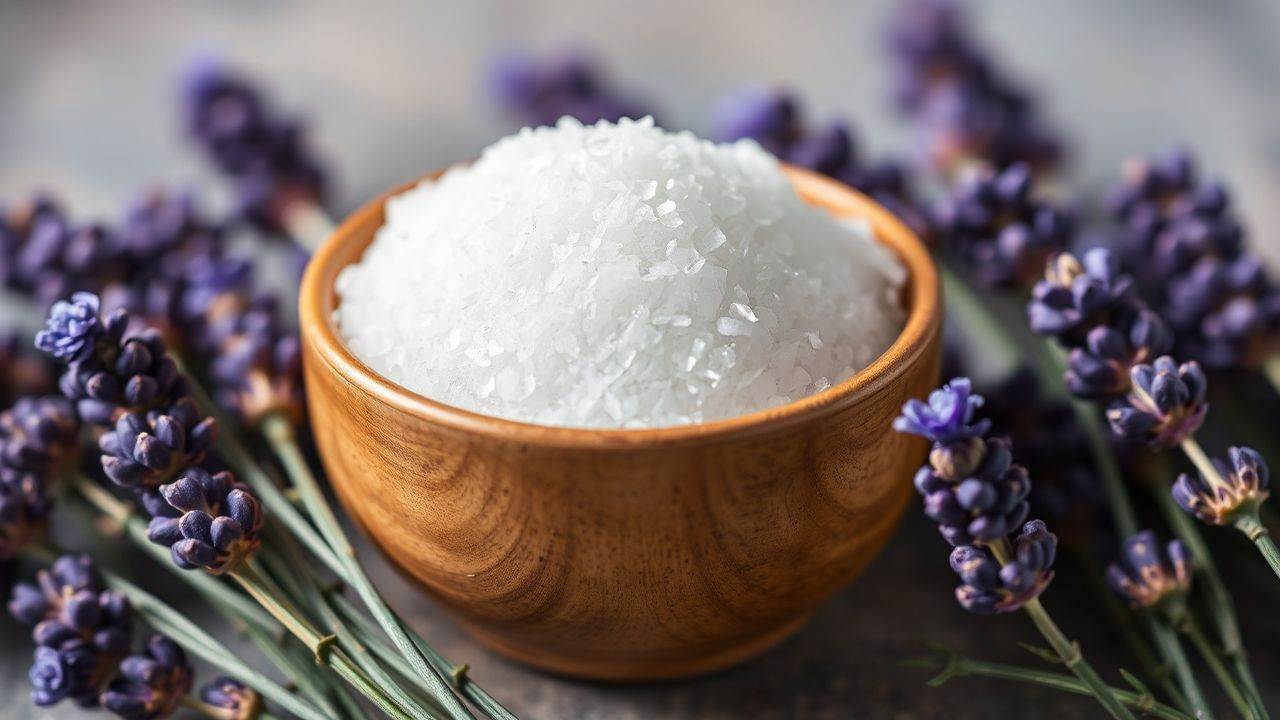
Lavender sugar is granulated sugar infused with dried culinary lavender buds to transfer volatile aromatic oils into a granular medium. The result is a sweetener that adds floral top notes without liquid dilution, ideal for dry applications like doughs and dustings.
From a food-chemistry view, sugar acts as a carrier for hydrophobic aroma compounds; it traps volatile terpenes and phenolic esters from the lavender buds. That measured transfer preserves aroma while maintaining texture in recipes.
Prep, Time and Yield for Lavender Sugar
Preparation takes minutes of active time; infusion requires patience. Typical timelines: 10 minutes prep, 24–48 hours passive infusion, yielding roughly 1 cup per cup of sugar used.
Expect about 1 cup of lavender sugar from 1 cup of granulated sugar plus 1–2 tablespoons of dried buds. Adjust infusion time and bud quantity for intensity, keeping record of preferred ratios.
Understanding Lavender Varieties and Sugar Selection
Not all lavender varieties suit culinary use. English lavender (Lavandula angustifolia) offers the mild, sweet floral profile most chefs prefer. Lavandin hybrids can be more resinous and sometimes bitter.
Choose food-grade, pesticide-free buds labeled for culinary use. For the sugar base, fine granulated or superfine sugar absorbs and releases aroma more evenly, while light brown sugar adds a caramel undertone.
Ingredients for Lavender Sugar
Use precise, simple ingredients to control flavor: 1 cup granulated sugar and 1–2 tablespoons dried culinary lavender buds. Optionally add a small pinch of vanilla bean powder for complexity.
Keep extras minimal. Do not use stems, leaves, or ornamental lavender not intended for ingestion. A clean ingredient list yields consistent, safe results.
Step-by-Step Guide to Crafting Lavender Sugar at Home
This section walks you through seven clear steps to make consistent lavender sugar. Each step keeps texture and aroma top priorities, and includes small adjustments for stronger or subtler results.
Follow the steps, then refine ratios and infusion times based on the baked goods you plan to enhance—cookies, scones, or icing require different intensities.
- Measure precisely: Use a level cup for sugar and a measured tablespoon for lavender buds. Consistency matters when you replicate results.
- Crush gently: Lightly bruise buds between fingers or pulse once in a grinder to release oils without turning them to dust.
- Combine: Toss sugar and crushed buds in a clean, dry, airtight glass jar. Mix thoroughly for uniform distribution.
- Infuse: Seal the jar. Store in a cool, dark place for 24–48 hours, shaking gently every 12 hours to redistribute aroma.
- Strain: Sift through a fine mesh or cheesecloth to remove bud fragments if you need a smooth, dusting-ready texture.
- Finish for dusting (optional): Pulse infused sugar briefly in a spice grinder for a superfine texture, then re-sift.
- Store: Place in an airtight container, away from heat and moisture. Label with date and bud-to-sugar ratio.
Technique Notes
Use glass for storage to avoid flavor transfer and microplastics from long-term storage. Metal containers can impart off-notes if not food-grade.
If aroma weakens over time, refresh the jar with a teaspoon of additional dried lavender and let sit 24 hours. Record adjustments for next batch.
Practical Tips and Flavor Pairings for Lavender Sugar
Lavender pairs naturally with citrus, honey, vanilla, and almond. Use small amounts at first—lavender can dominate when overused. Balance is the goal for subtle sophistication, not perfume.
Try adding lemon zest during infusion for bright, complementary acidity, or fold lavender sugar into shortbread dough at a reduced formula ratio to test tolerance.
Storage, Shelf Life and Food Safety
Store lavender sugar in a cool, dry, airtight container to preserve aroma and prevent moisture-induced clumping. Keep away from heat sources and strong-smelling pantry items.
Expect robust aroma for 1–3 months. For best safety, buy culinary lavender from reputable suppliers and verify it is labeled food-grade. Handle with clean utensils to avoid contamination.
Serving Suggestions: How to Use Lavender Sugar
Use lavender sugar as a finishing dust on scones, cookies, and tarts. It also mixes into batter for floral hints and rims cocktail glasses for aromatic presentation.
Reduce the recipe sugar slightly when substituting lavender sugar in batters to avoid overly sweet results. Small trials help dial in the perfect balance for each recipe.
Simple Nutritional Snapshot
Lavender sugar retains the nutritional profile of the sugar used. Per tablespoon, calories and carbohydrate content mirror standard granulated sugar, with negligible fat and protein.
| Nutrient | Per 1 Tbsp (15g) |
|---|---|
| Calories | 60 |
| Fat | 0g |
| Carbohydrates | 15g |
| Protein | 0g |
Related Concepts and Further Reading
For context on the plant source and culinary herb use, consult the authoritative pages on lavender and herbs. These entries explain botanical differences and common uses.
Explore pages such as lavender, sugar, and herb for background on chemistry, cultivation, and historical culinary use.
FAQ
What is the basic ratio for lavender sugar?
Standard starting ratio: 1 cup sugar to 1–2 tablespoons dried culinary lavender. Adjust after tasting. Record your preferred ratio for repeatability.
How long should I infuse lavender sugar?
Infuse for 24–48 hours for a balanced profile. Extend up to one week for stronger aroma, but check frequently to avoid bitterness in sensitive palettes.
Can I grind lavender sugar for a finer texture?
Yes. A short pulse in a spice grinder produces superfine lavender sugar ideal for dusting and blending into batters. Sift after grinding to remove any clumps.
Is culinary lavender safe for everyone?
Most people tolerate culinary lavender, but allergies or sensitivities exist. Avoid serving to guests with known floral or pollen allergies and always use food-grade lavender.
Where should I source culinary lavender?
Buy from reputable spice suppliers or certified food producers that label lavender as culinary-grade. Avoid ornamental or fragranced lavender not intended for ingestion.
Make small test batches, keep notes, and adjust ratios to match the baked goods you love. Precision and restraint produce the most elegant lavender sugar outcomes.
See also: lavender sugar