
Sweet Success: 7 Expert Tips for Jam Sugar
Jam sugar guides set, color, and shelf life when you make preserves at home. Choose the right sugar and you control gel strength, hue, and flavor balance; choose poorly and the batch can run soft or take on unwanted color.
These seven tips focus on practical chemistry and simple technique so you get consistent jars every time. I write from long experience with small-batch preserves and tested canning practice.
- Choose sugar by function: sweetening, setting, and preservation demand different sugars.
- Match sugar to fruit: lighter fruits benefit from neutral sugar; richer fruits tolerate darker sugars.
- Adjust pectin and acid: reduce sugar only if you compensate with pectin or acidity.
- Follow safe canning methods: proper jars and seals matter more than creative tweaks.
Balancing Sweetness and Texture: Jam Sugar Varieties
Understanding how jam sugar interacts with pectin and acid gives you reliable results. Granulated white sugar functions as the baseline: it supplies bulk, reduces free water, and permits standard pectin to form a firm gel.
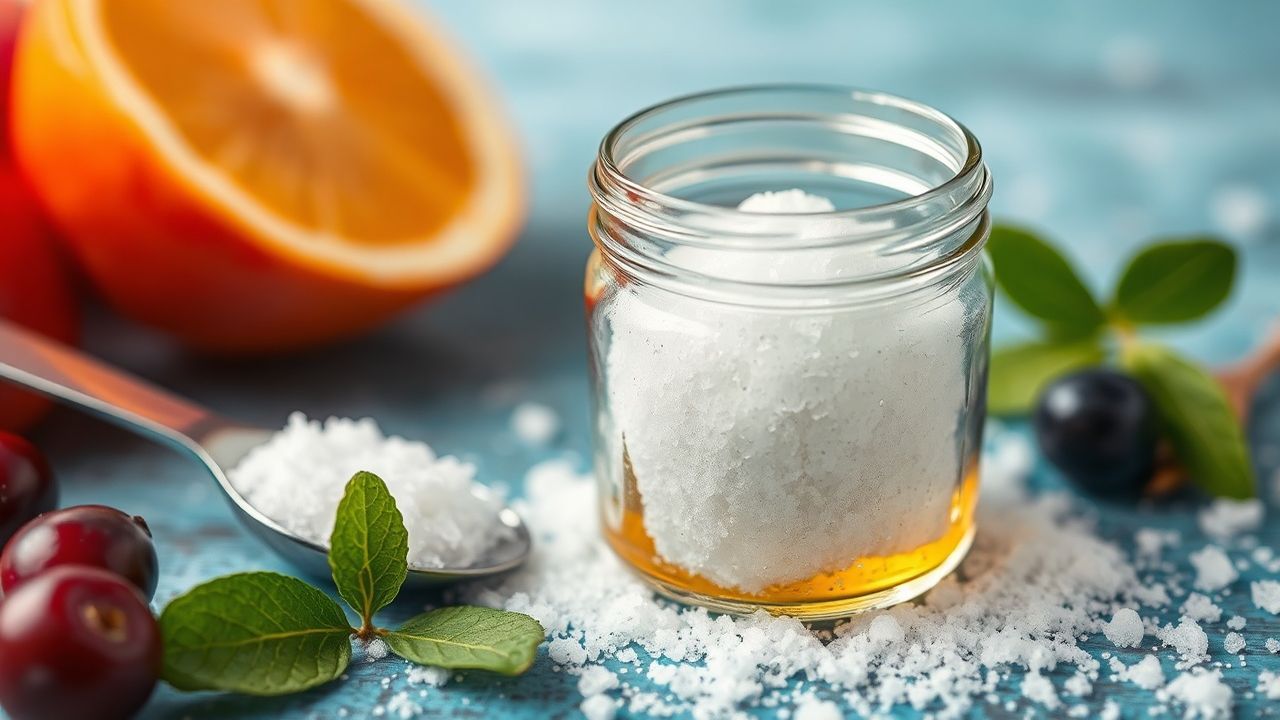
Alternative sugars—raw cane, turbinado, muscovado, honey, and maple—change chemistry and flavor. Those options add minerals and water that influence the cooking point and the time-to-set.
For a technical reference on gelling agents, consult pectin. For the basic chemistry of common sweeteners, see sugar.
When you alter sugar, plan to run plate tests and measure time-to-set; that practice replaces guesswork with data you can repeat.
How jam sugar works with pectin and acid
Pectin forms a network that traps water; sugars reduce available water and allow pectin chains to link. Acid accelerates bond formation and tightens the gel so the final set gains structure and shine.
Use the pectin reference to select the right commercial pectin if you cut sugar drastically. Low-sugar pectins require specific acid and heat profiles to work well.
Jam sugar types and practical effects
Granulated white sugar: Clean, neutral, and predictable. It provides the usual solids-to-water ratio recipes assume and gives the most faithful color of the fruit.
Raw cane and turbinado: Add light caramel notes and a deeper color. Substitute up to half to keep predictable set, then test.
Muscovado and brown sugar: Offer strong molasses character and darker color. They add moisture and can slightly soften texture; reduce added liquid or extend cooking to compensate.
Honey and maple syrup: Work as partial substitutes. They bring acids and additional water, so they affect the boiling point and often require low-sugar pectin when substitution exceeds about 25%.
Prep and Timing for Jam Sugar Success
Good prep minimizes variables during the hot stage. Cut fruit uniformly and measure sugar precisely so cook times remain consistent and predictable.
Keep a chilled plate in the freezer for gel tests and note the number of minutes from boil to set. That simple log helps you reproduce results with different sugars and fruits.
Yield and Difficulty
Standard yield: about 4 half-pint jars from 4 cups fruit and 3 cups granulated sugar. Adjust the jar count proportionally when you change volume or sugar ratios.
Difficulty: medium. The method requires attention to temperature, timing, and plate testing. Substitutions call for a working understanding of pectin and water activity.
Ingredients
Typical ingredients give dependable jars: 4 cups ripe fruit, 3 cups granulated sugar, 2 tablespoons lemon juice, and a packet of commercial pectin for low-pectin fruits. Use ripe fruit for a balanced sugar-to-acid ratio.
Optional: up to 1/4 cup raw cane or muscovado to enrich flavor and color. If you add dark sugars or syrups, adjust cooking time and run frequent gel tests. For further background on preserves, consult jam.
See related internal guides on jam recipes and preserving basics for recipe templates and canning checklists.
Instructions
Follow a clear sequence: prepare fruit, add pectin when needed, mix sugar in, bring to a rolling boil, test for set, acidify off-heat, and jar hot. Keep stirring to prevent scorching.
Use a wide, heavy-bottomed pan to speed evaporation and reduce boil time. Shorter boils preserve fresh fruit notes; longer boils concentrate flavor and can firm the set.
- Prepare the fruit: Wash, hull, and chop fruit to uniform pieces for even cooking.
- Combine fruit and pectin: Hydrate pectin if using; that improves dispersion during heating.
- Add sugar gradually: Stir in granulated sugar first; add specialty sugars after to watch texture changes.
- Boil and test: Bring to a rapid boil and maintain a rolling boil for 1–2 minutes. Use the chilled plate test to check set.
- Finish with acid: Off the heat, stir in lemon juice to balance sweetness and stabilize pectin.
- Jar and seal: Spoon hot jam into sterilized jars, wipe rims, apply lids, and process following tested canning methods.
Run the plate test every 30 seconds as you approach set. That habit prevents overcooking and preserves fruit character when you use rich sugars.
Chef’s Notes: Practical Points on Jam Sugar
Sugar quality matters. Fine granulated sugar yields bright color and a clean finish. Coarser and unrefined sugars add flavor but affect water activity and color development.
When you swap sugars, adjust pectin and acid. For instance, replacing half the white sugar with muscovado often requires slightly longer boiling and repeated plate tests to confirm the expected set.
Follow tested canning protocols and maintain cleanliness for shelf-stable results. Improvised methods increase the chance of spoilage despite careful sugar selection.
Serving Suggestions
Choose the sugar to pair with your serving idea: neutral jam sugar showcases delicate berries, while molasses-forward sugars complement nutty breads and spiced scones.
Try a spoonful over plain yogurt or ricotta; the sugar decision affects how the jam plays with dairy and citrus. Garnish with citrus zest or fresh herbs to lift top notes.
Preservation and Food Safety
Sterilize jars and lids and follow tested canning methods for shelf stability. Adequate headspace and proper sealing reduce contamination risk and extend shelf life.
For procedural background, see the practical canning overview at canning. When you alter sugar, expect processing or refrigeration needs to change.
Nutritional Snapshot
Jam provides energy primarily from sugars. Portion control moderates added sugars in a balanced diet, especially with jars made from refined sweeteners.
Approximate per-serving values (2 tbsp): 60 kcal, 0 g protein, 15 g carbohydrates, 0 g fat. Use these numbers as a rough guide when planning menus.
| Nutrient | Per Serving (2 tbsp) |
|---|---|
| Calories | 60 |
| Protein | 0g |
| Carbohydrates | 15g |
| Fat | 0g |
Further Reading and Resources
For technical context on gelling and sweeteners consult these resources: pectin, sugar, and jam. These pages explain the science behind the tips above.
Use the internal guides on jam recipes and preserving basics to apply the advice to specific fruit and jar volumes.
FAQ
What role does jam sugar play in jam-making?
Jam sugar supplies bulk, reduces free water, and helps pectin form a gel. It also contributes to preservation by lowering water activity when used at traditional levels.
Adjust sugar only when you compensate with pectin, acid, or processing changes to keep safety and texture consistent.
Can I substitute honey or maple syrup for granulated sugar?
Yes, but only partially for most recipes. Replace up to 25% without major recipe changes; beyond that, use pectin formulated for low-sugar jams and expect differences in set and color.
Record your time-to-set on a chilled plate when you test substitutions so you can repeat successful tweaks.
Will my jam set if I cut the sugar in half?
Not reliably with standard pectin. If you cut sugar significantly, use high-pectin fruit, add commercial low-sugar pectin, or accept a softer preserve intended for refrigeration.
Run plate tests frequently during cooking and follow the chosen pectin manufacturer’s heat-and-acid guidelines.
Which sugar best preserves bright fruit flavor?
White granulated sugar preserves delicate fruit aromas because it contributes sweetness without additional flavor notes. It gives the most faithful expression of the fruit’s natural color and brightness.
For deeper flavor, replace part of the white sugar with raw cane or a mild brown sugar and adjust boil time to confirm set.
How should I store homemade jam for longest shelf life?
Process jars using tested canning methods, cool them undisturbed, then store sealed jars in a cool, dark place. Once opened, refrigerate and use within several weeks for best quality.
When you alter sugar, especially reducing it, plan for refrigeration and shorter shelf life and consult pectin guidance for safe methods.
See also: jam sugar