
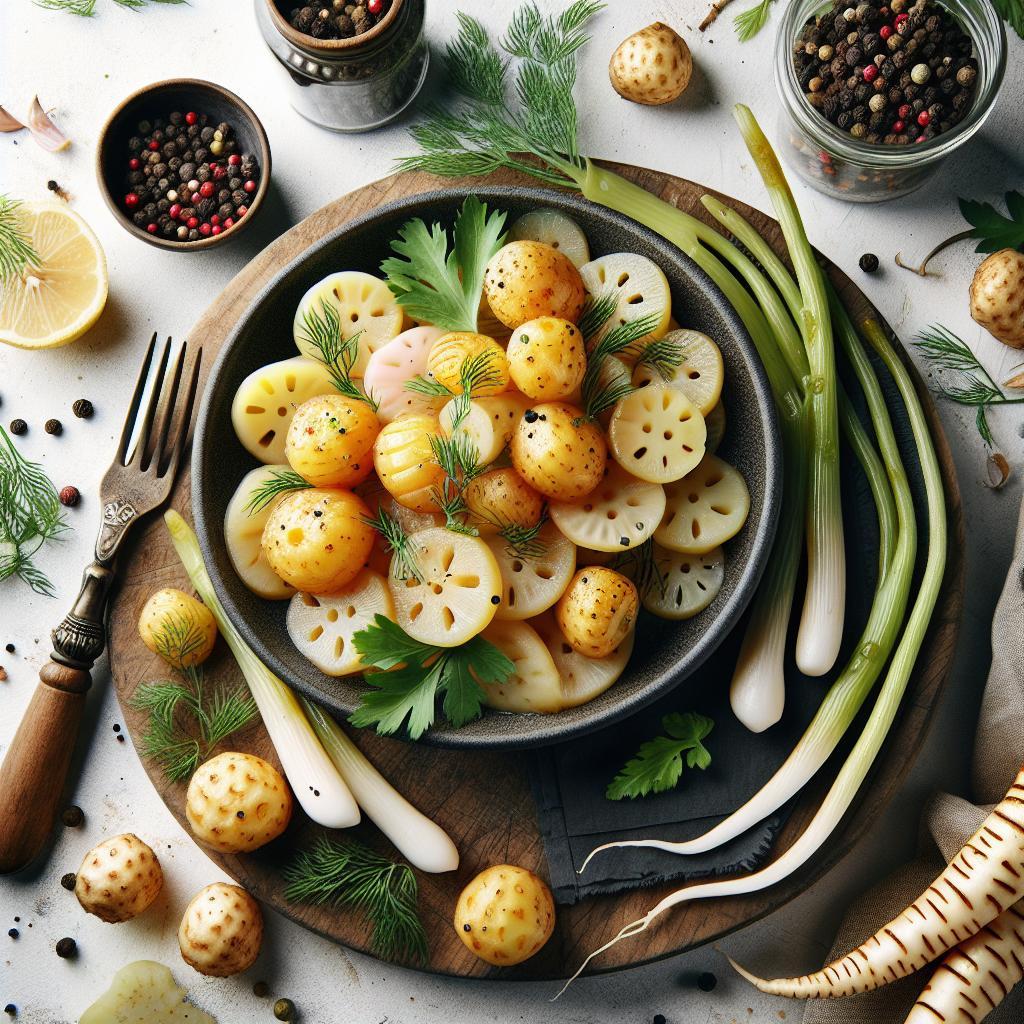

Taming Sweet Chutney: Savory Fixes for Sugar Overload
When a batch of chutney tilts toward excessive sweetness, the balance that defines a proper condiment vanishes quickly. Professional cooks use targeted acidity, umami, and texture changes to restore harmony and make the chutney versatile again; see chutney for cultural context.
- Acidity cuts sweetness: a measured splash of vinegar or lemon brightens and balances.
- Umami reduces perceived sugar: salt, soy or miso introduce savory depth without masking fruit.
- Texture shifts help perception: nuts, seeds or finely chopped vegetables distract from a glaze-like sweetness.
- Timing matters: add corrective ingredients mid-simmer and taste repeatedly.
Prep and Cook Time
Plan for a moderate hands-on session when taming overly sweet chutney. The corrective process usually requires brief adjustments during a standard simmer rather than a complete remake.
These times assume you start with a cooked chutney that needs balance, not a raw fruit reduction. Keep tasting every 5–10 minutes while you simmer and adjust.
- Preparation Time: 15 minutes
- Cooking Time: 45 minutes (including corrective simmering)
- Total Time: 1 hour
Yield
This recipe yields about four cups of chutney—roughly eight standard servings—after adjustments. Small-batch corrections scale linearly, so you can halve or double quantities and maintain the same balance strategy.
Store corrected chutney in airtight jars and label with the correction date. Chutney typically matures in flavor over 24–48 hours, so allow flavors to rest when possible.
- Approximately 4 cups (8 servings)
Difficulty Level
Rescuing a sweet chutney rates as medium difficulty: the techniques require taste calibration and confidence with acid and salt additions. You will be performing iterative adjustments rather than precise chemical titrations, so rely on tasting and small increments.
Begin with conservative amounts and increase in tiny steps. This approach prevents overshooting and preserves desirable fruit notes.
Ingredients
The original ingredient list remains sound for a tomato-based chutney, but select items with an eye toward balance. Vinegar contributes acidity, while umami sources cut sweetness; refer to the science of vinegar and umami to understand why these elements change perceived sweetness.
Use high-quality produce and measure salt and vinegar carefully; sensory adjustments work best with reliable baseline ingredients. If sugar comes from fruit, note that enzymatic and caramelized sugars behave differently when you attempt correction.
- 2 cups chopped tomatoes, ripe and juicy
- 1 medium onion, finely diced
- 1 tablespoon olive oil
- 3/4 cup apple cider vinegar
- 1/2 cup brown sugar (adjust to taste)
- 1 teaspoon mustard seeds
- 1 teaspoon grated fresh ginger
- 1/2 teaspoon ground cumin
- 1/4 teaspoon cayenne pepper (optional)
- 1/4 teaspoon sea salt
- 1/2 cup chopped walnuts (savory crunch)
- 2 tablespoons soy sauce (umami to cut sweetness)
- 1 clove garlic, minced
- 1/2 cup chopped fresh cilantro (optional garnish)
Instructions
Work through the instructions with the goal of developing layers: aromatic base, fruit body, then corrective elements. Introduce corrective ingredients incrementally and record the amounts you add so you can replicate successes.
Maintain a medium-low simmer to allow flavors to marry without burning sugars. Stir frequently and evaluate texture as well as taste.
- Heat olive oil in a medium saucepan over medium heat. Add mustard seeds and toast until they pop, about 1 minute.
- Add the diced onion and minced garlic. Sauté until translucent and soft, about 5 minutes while stirring to avoid browning excessively.
- Stir in grated ginger and ground cumin. Cook for 1 minute to bloom the spices and deepen the base aroma.
- Add chopped tomatoes, apple cider vinegar, and brown sugar. Bring to a gentle simmer, then lower the heat to maintain a steady bubble.
- Season with sea salt, cayenne, and soy sauce. Add the soy sauce in small increments; it introduces savory depth that reduces perceived sweetness.
- Simmer the chutney for about 30 minutes, stirring occasionally, until it thickens to a chunky but not jammy consistency.
- Five minutes before finishing, fold in the chopped walnuts for texture contrast and to disrupt the glossy, sweet surface.
- Remove from heat, let cool briefly, then taste and make final adjustments—squeeze lemon or add a dash more vinegar if needed.
- Serve warm or chilled, garnished with cilantro if desired.
Cooking Techniques
When sugar feels dominant, target three vectors: acid, salt/umami, and texture. Each vector affects sweetness perception differently, so use them in combination for precise control.
For instance, acid shifts the pH and brightens flavors; umami rounds the profile and reduces focus on sugars; added crunch changes mouthfeel and distracts from a syrupy gloss. Apply adjustments in small increments and taste between moves.
Tips for Success
Adopt a stepwise correction method: add one corrective element, taste, then decide the next move. Keeping a tasting log—what you added and how much—lets you reproduce a successful fix reliably.
Use neutral acids like white wine or apple cider vinegar for brightness, and reserve lemon juice for a fresher, citrus-forward correction. When adjusting salt and soy, proceed cautiously; excessive salt cannot be removed easily.
- Balancing Sweetness: Add vinegar or lemon juice in teaspoons, tasting after each addition.
- Savory Boosters: Use soy sauce, miso paste, or a light fish sauce to introduce umami in small amounts.
- Texture Matters: Fold in chopped nuts or grated raw vegetables to break up an overly smooth sweetness.
- Make-Ahead: Allow chutney to rest 24–48 hours; flavors often settle into a better balance with time.
After applying that tip, always let the blend rest and re-taste, because acids and salts can integrate differently overnight. When you find a combination that works, note exact quantities to reproduce it on larger batches.
Serving Suggestions
Corrected chutney pairs well with roasted meats, grilled vegetables, and aged cheeses. The interplay of bright acid and savory umami supports diverse flavor pairings and keeps the chutney from tasting like a dessert syrup.
Use it as a condiment on sandwiches, as a glaze, or as part of a composed board where other salty or bitter elements can counterbalance any residual sweetness. Fresh herbs added at service time add aromatic lift.

| Nutrient | Per Serving |
|---|---|
| Calories | 110 kcal |
| Protein | 2 g |
| Carbohydrates | 18 g |
| Fat | 4 g |
For more technical background on sweet perception and mitigation, consult material on sugar and how acids and salts influence taste receptors. That context helps you choose the most efficient corrective move.
Future Outlook
As you refine your corrective toolkit, you will learn which combination of acidity, umami, and texture works best for fruit-forward chutneys versus tomato-based versions. That experience shortens the tasting loop and increases the odds of rescuing a batch without discarding it.
Keep experimenting systematically: different fruits and levels of caramelization respond differently to the same corrections, so treat each instance as a small experiment. Record results and build a quick-reference guide for future preserves.
FAQ
The following questions cover the practical fixes most home cooks will need when correcting a sweet chutney. Each answer includes a short, actionable technique to test immediately.
Use the FAQ as a quick troubleshooting checklist while you work at the stove; keep a spoon for tasting and a notepad to track quantities.
Q1: Why does chutney become too sweet?
Chutney becomes too sweet when fruit or added sugars overwhelm acidic and savory counterpoints. Natural sugars can concentrate during cooking, and caramelization can deepen perceived sweetness.
To counter this, add controlled acidity and umami while monitoring texture; both shift sugar perception without removing the fruit character.
Q2: What is the fastest corrective step?
Introduce acid in small doses—start with 1 teaspoon of vinegar or lemon juice per cup of chutney and taste. Acid brightens flavors and cuts through a syrupy sweetness quickly.
If acid alone doesn’t suffice, add a small amount of soy or miso for umami, then reassess. Combine corrections incrementally rather than adding multiple large adjustments at once.
Q3: Can I fix sweetness with cooking time alone?
Extended simmering concentrates flavors and risks intensifying sweetness if sugars remain unbalanced. Controlled cooking can help if you simultaneously add savory elements mid-simmer to integrate them.
Prefer corrective ingredients over long reduction when you want to lower perceived sugar without losing volume or fruit presence.
Q4: Are there ingredients that permanently mask sugar?
Some ingredients, like miso or concentrated soy, introduce persistent umami that reduces attention to sweetness but does not chemically remove sugar. Texture additions such as nuts also change perception in a lasting way.
If an aggressive fix is needed, blend the sweet chutney with a less sweet base and re-season; that dilution approach works well when you want a larger yield corrected at once.
Q5: How should I store corrected chutney?
Store chutney in clean, airtight jars in the refrigerator and consume within two weeks for best quality. The flavors typically stabilize and often improve after 24–48 hours.
For long-term storage, follow safe canning procedures and pH guidelines appropriate for chutneys; high acid helps preservation and safety.
Follow these practical steps and you will turn a sugar-overloaded chutney into a balanced condiment you reach for repeatedly. Keep tasting, record your wins, and refine the method to the produce and sugar levels you use most often.
See also: chutney