
Bursting with bright tartness balanced by warm spices, homemade rhubarb chutney elevates simple meals into memorable plates. This guide walks you through ingredient choices, precise steps, and preservation tips to deliver consistent, pantry-ready chutney.
- Vibrant flavor balance—rhubarb brings tart backbone; sugar and vinegar round the profile.
- Reliable technique—toast seeds, slow-simmer, and jar hot for safe storage.
- Flexible texture—pulse for chunky or simmer longer for smoother chutney.
Why rhubarb works for chutney
Rhubarb supplies intense acidity that contrasts beautifully with sugar and dried fruit in chutney. Use firm stalks with good color to reduce bitterness and maximize aromatic brightness.
Rhubarb is a classic preserve ingredient; consult the botanical and culinary context for rhubarb on Wikipedia – Rhubarb to understand cultivars and seasonal timing. That knowledge helps you pick the best stalks for consistent results.
Key recipe snapshot
Preparation: 15 minutes. Cooking: 40 minutes. Total: ~55 minutes. These times assume uniform chopping and a steady simmer.
Yield: About 3 cups (6 servings). Scale ingredients linearly for larger batches and maintain the same vinegar:sugar ratio for safe acidity.
Ingredients
Gather high-quality pantry items and freshly trimmed rhubarb before you start. Consistent ingredient sizes improve texture and cooking accuracy.
- 4 cups rhubarb stalks, trimmed and chopped into 1-inch pieces
- 1 large onion, finely diced
- 1 cup brown sugar, packed
- 1 cup apple cider vinegar
- 1/2 cup raisins or chopped dried apricots
- 2 teaspoons grated fresh ginger
- 1 teaspoon mustard seeds
- 1 teaspoon ground cinnamon
- 1/2 teaspoon ground cloves
- 1/2 teaspoon salt
- 1/4 teaspoon cayenne optional for heat
Use apple cider vinegar to add fruity acidity and depth; read the background on different vinegars at Wikipedia – Vinegar. Choose a vinegar that complements your palate rather than overpowering it.
Prep and cook time
Allocate 15 minutes to trim and chop. Uniform cuts ensure even breakdown and predictable texture in the final chutney.
Simmer uncovered for 35–40 minutes on low heat. Stir occasionally to prevent scorching and to monitor when the chutney thickens and the rhubarb becomes tender.
Time breakdown
Active prep: 15 minutes for chopping, toasting seeds, and measuring spices. Hands-off simmer: most of the 35–40 minutes while you sterilize jars or tidy up.
Allow cooling time for jars before refrigeration unless you process them in a water bath for long-term storage. Safe cooling avoids steam build-up that can compromise seals.
Instructions
Follow steps in order to extract maximum flavor and safe shelf life. Short, methodical steps prevent overcooking and uneven results.
Use a heavy-bottomed saucepan and medium-low heat to maintain control over the simmer. A wooden spoon reduces the risk of scratching and helps gauge thickness by texture.
Step-by-step
1. Select firm rhubarb stalks and trim leaves off completely. Discard leaves; the stalks provide the flavor and texture you want.
2. Toast mustard seeds in the dry pan until they pop, about 1–2 minutes; this releases oil and aroma. Add diced onion and grated ginger, and sauté until translucent and fragrant.
3. Add chopped rhubarb, brown sugar, and vinegar; stir until sugar dissolves and the mixture comes to a gentle simmer. Mix in raisins, cinnamon, cloves, salt and optional cayenne, then reduce to low heat.
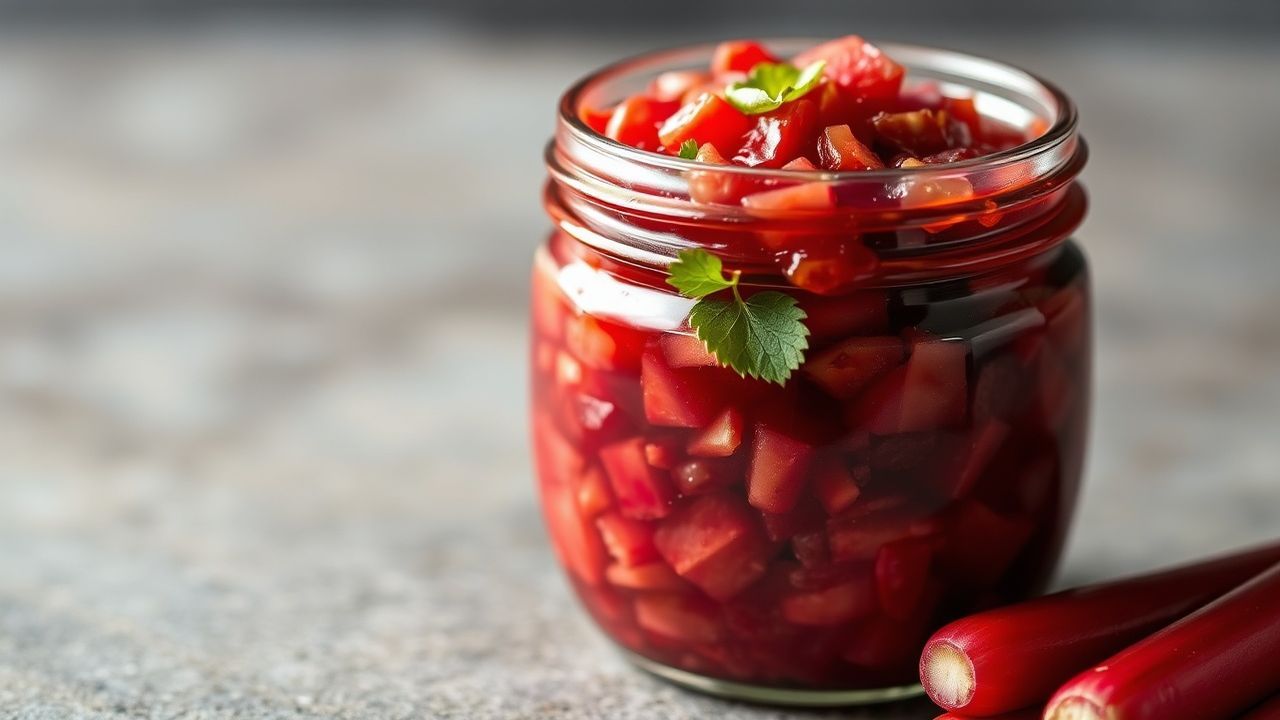
4. Simmer uncovered for 35–40 minutes, stirring occasionally to prevent sticking. Look for a jam-like consistency where the chutney clings to the back of a spoon and the rhubarb is tender but still slightly intact.
Sterilizing jars and sealing
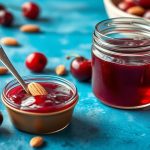
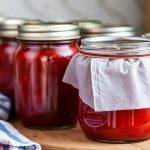
Sterilize jars by boiling them for 10 minutes or using a dishwasher’s hottest cycle. Fill jars hot and seal immediately to create a vacuum seal as they cool.
[WARNING]Pro-Caution: If you plan long-term storage, process sealed jars in a proper water bath canner per recommended food-preservation guidelines to avoid spoilage. Improper canning risks food-safety issues.
Cooling and short-term storage
Allow sealed jars to cool to room temperature undisturbed. Refrigerate opened jars and use within three months for best flavor and safety.
Tips for success
Balance acidity and sweetness by tasting mid-simmer; small adjustments of sugar or vinegar change the profile without destabilizing texture. Gradual changes let you reach the desired tang without overshooting.
Toast whole spices first to deepen aroma and add complexity. Toasting amplifies essential oils, improving the chutney’s overall scent and mouthfeel.
Serving suggestions
Rhubarb chutney pairs exceptionally well with sharp cheeses like aged cheddar or goat cheese, where its acidity cuts through fat. Spoon a dollop on cheese boards to add contrast and eye-catching color.
Use chutney as an accompaniment to roasted meats and grilled sausages, or spread it on warm flatbread for savory sandwiches. The sweet-tart finish brightens heavy dishes and lifts simple proteins.
Nutrition and yield notes
Per serving (approx): 120 calories, 1 g protein, 32 g carbohydrates, and negligible fat. Values vary by fruit choice and sugar amounts; reduce sugar to lower calories but expect a shift in preservation behavior.
When scaling this recipe, maintain the vinegar-to-sugar ratio to keep acidity at safe levels for canning. If you alter amounts significantly, re-evaluate processing times and jar headspace.
Quality control and troubleshooting
If chutney stays too runny, continue simmering until it reaches a spoon-coating viscosity. You can chill a spoonful to check final texture before jarring.
If it tastes flat, add a splash of vinegar or a pinch of salt to lift flavors. If too sharp, add a tablespoon or two of sugar and simmer briefly to rebalance.
Related concepts and further reading
For a cultural and historical perspective on the condiment tradition, read about chutney on Wikipedia – Chutney. Understanding chutney’s origins helps you adapt spice blends authentically.
To review broader food-preservation techniques that support safe home canning, consult Wikipedia – Food preservation. Use official local canning guidelines when in doubt.
FAQ
Can I substitute other fruits for rhubarb?
Yes, certain tart fruits like green apple or cranberries work in similar proportions. Adjust sugar and vinegar to achieve balance and test small batches first.
How long does homemade chutney keep unopened?
Properly processed and sealed jars can keep up to a year in a cool, dark pantry. Once opened, refrigerate and use within three months for best taste and safety.
Can I reduce sugar for a lower-calorie chutney?
Reduce sugar gradually; expect a firmer texture and more pronounced acidity. If you lower sugar too much, consider shorter shelf life or refrigerate instead of long-term canning.
What if my chutney is too spicy?
Add a small spoon of brown sugar or a dollop of plain yogurt when serving to soften heat. Simmering longer will mellow fresh-chili heat but won’t remove capsaicin completely.
Where can I learn safe canning methods?
Consult local agricultural extension services or reliable preservation guides to confirm water-bath times and jar handling. Official resources detail temperature and timing for your altitude and jar size.
See also: Rhubarb chutney