
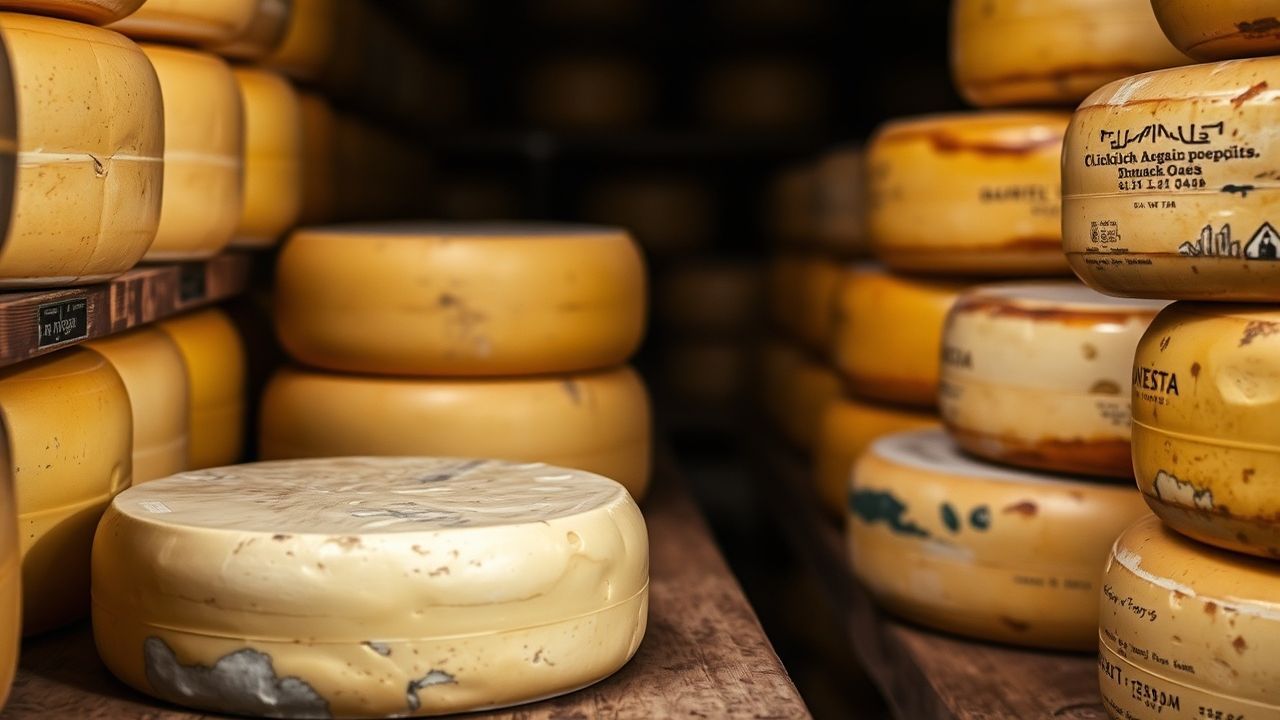

In the quiet shadows of rustic cellars and sun-dappled caves, a slow transformation unfolds where humble curds become focused, complex cheeses. The art of aging cheese combines deliberate microbiology, calibrated environment control, and patient craftsmanship to unlock depth and texture.
- At a glance: Aging depends on stable temperature, high humidity, and appropriate microbial cultures.
- Results: Proper affinage produces nutty, savory, and layered flavors over weeks to years.
- Home setups: Wine fridges and modified coolers can work with strict monitoring.
- Safety: Control unwanted molds through routine inspection and targeted interventions.
Mastering the Ideal Environment for Perfect Cheese Maturation
The art begins with environment. Aging, or affinage, thrives when temperature, humidity, and airflow remain within narrow limits. Each variable acts on enzymes and microbes and shifts the breakdown of fats and proteins.
To understand the process, consult core practices in cheese production and aging such as those described in the field of affinage. These principles guide commercial affineurs and serious hobbyists alike.
Temperature: the metabolic throttle
Most semi-hard and hard cheeses age best at roughly 50–55°F (10–13°C). This range slows spoilage while allowing enzymatic reactions to progress steadily. Cooler temperatures slow development; warmer temperatures accelerate microbial activity and risk off-flavors.
Use a calibrated thermometer and log readings daily. For home setups, a dedicated wine fridge or a converted cellar with a reliable thermostat reduces swings that harm rind formation and texture.
Humidity and airflow: shaping rind and interior
Target humidity between 80–90% for most aged cheeses. That level prevents excessive drying while enabling rind development and microbial activity. Too low, and the paste desiccates; too high, and undesirable surface molds proliferate.
Maintain gentle air movement to avoid stagnation. Small fans timed intermittently, vents, or deliberate stacking patterns keep microclimates consistent across shelves and wheels.
Techniques and Tips for Aging Different Cheese Varieties
Each cheese style demands a tailored approach. Moisture content, milk origin, and starter cultures determine how cheeses react during maturation. Adjust humidity, turning cadence, and rind care to match the cheese’s structural needs.
Soft, bloomy cheeses require gentle handling and slightly higher humidity to preserve creaminess. Hard cheeses need firmer pressing, lower moisture, and longer uninterrupted aging to develop crystalline texture and concentrated flavor.
Soft cheeses (bloomy rinds)
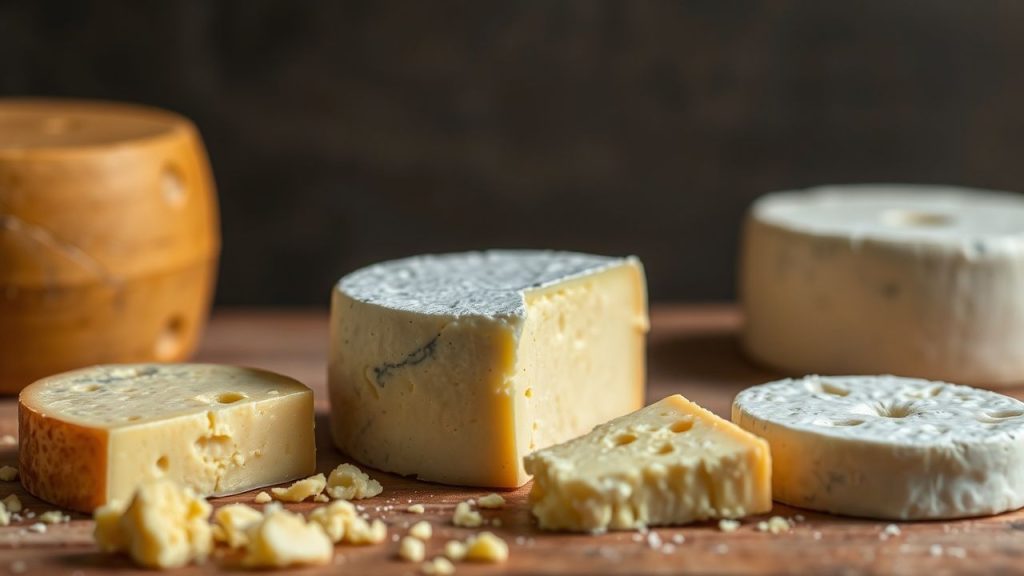
Bloomy-rind types (e.g., Brie-style) mature rapidly—often within 4–6 weeks. They benefit from a cool, humid chamber and minimal handling in the final stage to let surface molds bloom evenly.
Wrap loosely when the paste begins to soften to moderate moisture loss. Taste weekly to avoid over-ripening; the window between perfect and past-prime can be narrow.
Hard and long-aged cheeses
Hard cheeses like cheddar and alpine types age months to years. They respond to periodic turning, dry-salting of rinds, and staging at progressively lower humidity to concentrate flavors and texture.
For cracked or blistered rinds, increase airflow slightly and brush or wash rims when necessary. Use firm, consistent pressure during molding and pressing to reduce voids and irregular maturation.
Some varieties use targeted inoculations. Blue cheeses rely on strains such as Penicillium roqueforti introduced at culture or pierced into the paste to create veins. Bloomy rinds use Penicillium camemberti to form a soft, white crust.
Unlocking Flavor Complexity with Patience and Precision
Flavor complexity arises from predictable biochemical pathways. Proteolysis releases amino acids; lipolysis frees fatty acids. Those smaller molecules generate savory, sweet, and nutty notes over time.
Monitor progress through regular sensory checks: rind appearance, textural give, and aroma. Document changes to refine your schedules and anticipate desirable turning or washing windows.
Turning, washing, and trimming
Turn wheels at least weekly for even moisture migration. Washed-rind cheeses receive saline or brine washes to favor specific surface bacteria. Trimming excess surface growth prevents concentrated off-flavors.
Keep a simple log: date, weight, rind notes, and smell. This record becomes your operating manual for repeatable results and prevents guesswork across batches.
Prep and Cook Time
Preparation: Expect about 20–30 minutes of active setup per batch—heating, inoculation, cutting, and pressing steps. These tasks require attention but not constant labor.
Aging: Varies dramatically: soft cheeses 4–6 weeks; semi-hard 2–12 months; hard and alpine styles 6–24+ months. Plan shelf space accordingly and stagger production for continuous yields.
Yield and Difficulty
Yield: Roughly 1 lb (450 g) of cheese per 2 gallons of milk, depending on fat content and pressing losses. Expect variability across milk sources and styles.
Difficulty: Medium to advanced. Simple fresh cheeses are beginner-friendly; long-aged hard cheeses demand consistency and an understanding of microbiological behavior.
Ingredients and Basic Instructions
Typical ingredients: whole milk, starter cultures (mesophilic or thermophilic), liquid rennet, and non-iodized salt. Optional inoculants shape specific rind types and veining.
Core steps: warm milk to target culture temperature, add culture and rennet, cut curds, drain whey, press into molds, salt, and transfer to aging. Each step requires measured timing and gentle, deliberate technique.
Chef’s Notes and Troubleshooting
Substitutions: Goat or sheep milk yields distinct fat profiles and flavors; adjust cultures and pressing to accommodate different protein structures. Expect faster acidification with goat milk.
Humidity adjustments: Add a shallow pan of water to boost humidity or increase airflow to lower it. Small, frequent adjustments prevent overcorrection and sudden rind stress.
If unwanted molds appear, wipe gently with a saltwater solution and increase airflow. Use clean tools and gloves when handling affected surfaces to reduce cross-contamination.
Serving Suggestions
Plate aged cheeses with complementary textures: crusty bread, fresh fruit, toasted nuts, and a touch of honey or aged vinegar. Thin slices reveal crystalline textures and concentrated flavors.
Pairing depends on intensity: bold red wines, crisp whites, or full-bodied beers often balance aged, savory cheeses. Let cheeses rest at room temperature before serving to open aroma and flavor.
Nutritional Snapshot
Per 1 oz serving: approximately 110 kcal, 7 g protein, 9 g fat, and minimal carbohydrates. Aging reduces lactose content, often improving tolerance for sensitive individuals.
Resources and Internal Guides
For step-by-step production theory, see our Complete Guide to Cheese Making. For recommended tools and chamber builds, consult our aging equipment and cellar builds resource.
For academic context on cheese biochemistry, see the general Cheese entry and the Cheese rind article for rind ecology.
FAQ
Q1: What is cheese aging and why does it matter?
Cheese aging, or affinage, is the controlled maturation of cheese under set temperature and humidity to develop flavor and texture. The stage shapes aroma, mouthfeel, and complexity through enzymatic and microbial action.
Q2: How long should I age different cheeses?
Soft cheeses may need 4–6 weeks; semi-hard 2–12 months; hard cheeses 6–24 months or more. Monitor sensory cues—texture, aroma, and rind—to decide optimal timing for your palate.
Q3: Can I age cheese at home safely?
Yes. Many home enthusiasts succeed using modified wine fridges or cool basements. Maintain consistent conditions, sanitize equipment, and inspect wheels regularly to manage unwanted growth.
Q4: How do I fix unwanted molds?
For minor surface molds, a saltwater or vinegar wipe followed by increased airflow often restores balance. Toxic or foul-smelling molds require caution—discard if safety is uncertain.
Q5: What markers indicate a cheese is ready?
Look for a stable rind, expected textural give when pressed, and a balanced aroma. For many cheeses, taste tests at intervals provide the final confirmation of readiness.
Insights and Conclusions
Aging cheese refines simple ingredients into layered, expressive foods. Consistency in environment, attention to microbial detail, and methodical record-keeping deliver repeatable, superior results.
Practice across batches, keep notes, and calibrate equipment. Over time you will build an empirical feel for timing and technique that transforms milk into memorable, age-refined cheese.
See also: Cheese Aging