
The Art of Italian Cheese: Flavors From Italy’s Heartland comes from a long tradition of regional craftsmanship and precise dairy technique. Each cheese is a concise story of place, feed, and time shaped by expert hands and controlled environments.
- Regional variety: Cheese profiles reflect local pastures and breeds.
- Technique matters: Milk handling, cultures, and aging define texture and flavor.
- Pairing tips: Simple matches with fruit, bread, and wine amplify each cheese.
- Home practice: Basic cheesemaking is achievable, but aging demands discipline.
The Heartland and Its Cheeses
Italy produces some of the most varied cheeses in Europe, from fresh, lactic curds to hard, crystalline wheels. These products grow from a mix of livestock breeds, microclimates, and time-tested methods refined over centuries.
To understand the range, view cheese as a product of terroir and technique. For background on the category, see cheese on Wikipedia for broad context and classification.
Prep and Cook Time
Timing depends on the style you make. Fresh cheeses like burrata or mozzarella finish in under an hour of hands-on work, while aged varieties require controlled months to years of maturation.
Short-term projects need precise temperature control during culture and curd work. Long-term aging requires regular monitoring of humidity and microflora for consistent rind and flavor development.
Yield and Difficulty Level
Yield varies by milk fat content and production method. A standard 4 liters of whole milk produces roughly 750–900 grams of fresh cheese, though yields drop for pressed and aged cheeses.
Skill level ranges from approachable (fresh cheeses) to advanced (washed- or blue-rind and long-aged styles). Aging and sanitation make higher-level projects more demanding but rewarding.
Ingredients
High-quality milk and proper cultures form the backbone of successful cheese. Choose milk by breed and season to shape flavor; cow, sheep, and water buffalo each contribute distinct fat profiles and protein structure.
Support ingredients include rennet, calcium chloride, starter cultures, and salt; each has a defined functional role. Adjust quantities and timing based on the target cheese type.
- 4 liters fresh whole cow’s or sheep’s milk
- 1/4 tsp liquid animal rennet or vegetarian rennet
- 1/2 tsp calcium chloride (optional)
- 2 tbsp natural whey starter or culture (mesophilic or thermophilic as needed)
- 1 tbsp sea salt (unrefined)
- Filtered water for rinsing and brining
- Cheesecloth or fine muslin for draining whey
Instructions
Curd Formation
Warm milk slowly to the target temperature, dependent on culture type; typically 30–38°C for many cheeses. Add culture, allow activation, then introduce diluted rennet for coagulation.
After the curd sets, test for a clean break and cut into the appropriate cube size. Gentle stirring and controlled heating encourage whey separation without over-shocking the curd.
Draining, Salting, and Molding
Drain whey into a cheesecloth-lined colander and let gravity do the initial separation for fresh cheeses. For pressed cheeses, transfer curds to molds and apply graduated weight to expel additional whey.
Salt the curd either by dry-salting or brining to control moisture and flavor. Then shape molds and place finished forms into a cool, humid space for short-term storage or to begin aging.
Aging and Rind Management
Aging transforms texture and concentrates aromatic compounds. Control temperature (typically 8–14°C) and relative humidity (75–95%) depending on the cheese family to guide rind formation and flavor development.
Wash, brush, or turn wheels at scheduled intervals to manage surface microflora and prevent irregularities. Drying then stabilizing rounds out a stable rind and predictable maturation path.
Chef’s Notes: Tips for Success
Consistency wins: measure temperature, pH, and weight rather than guessing. Small variations in handling produce measurable differences in yield and flavor.
Work in a clean environment and sanitize tools between batches to prevent cross-contamination. Document each batch so you can reproduce successes and correct failures.
- Use fresh, high-quality milk; fat content and seasonality affect taste and texture.
- Follow culture temperature profiles; mesophilic cultures favor lower temps, thermophilic require higher temps.
- Maintain steady humidity during aging to avoid cracked rinds or unwanted molds.
- Experiment with sheep’s milk for salty, aromatic Pecorino-style cheeses.
Allow at least one full rest period between intense handling and tasting sessions to assess actual flavor development. Immediate tasting often masks subtle aromatic evolution from aging.
Serving Suggestions
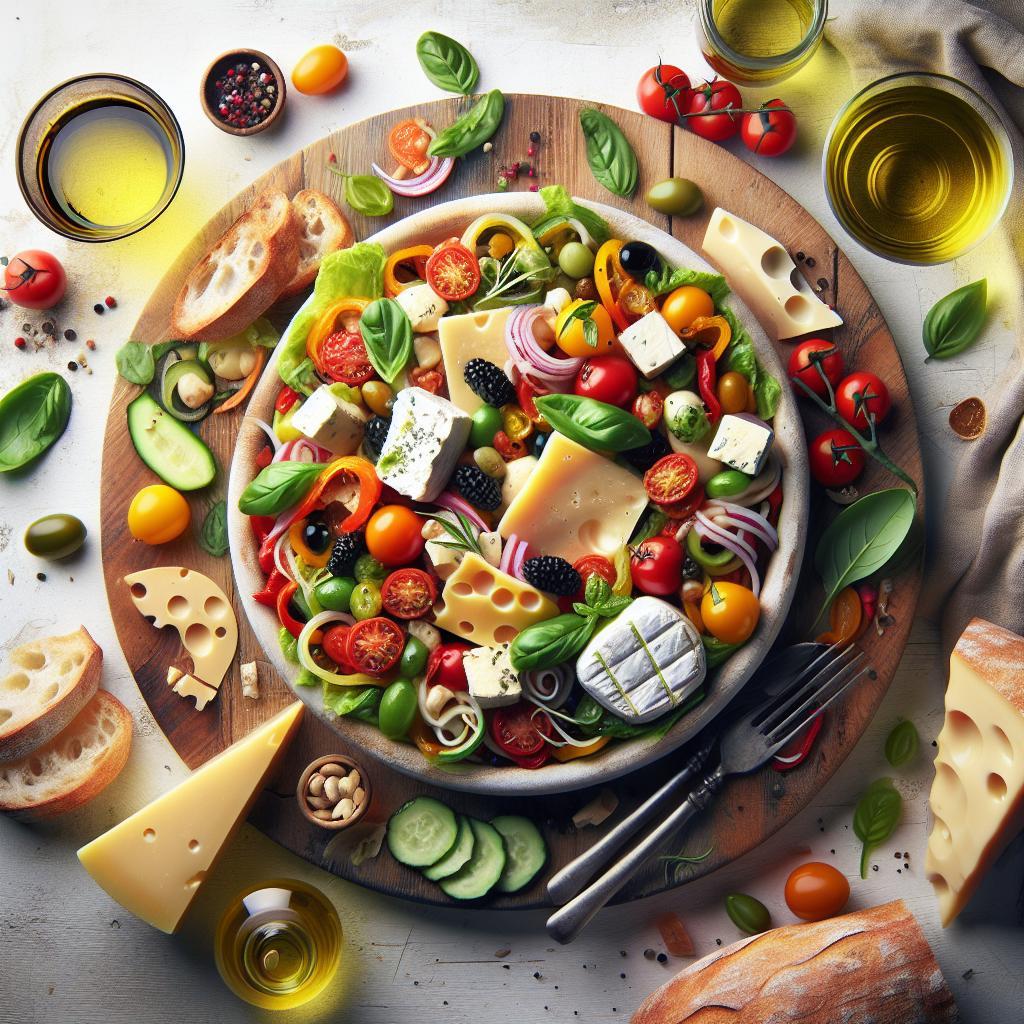
Simple pairings highlight cheese identities. For example, a creamy burrata shines with extra-virgin olive oil, fresh basil, and ripe tomato, while an aged hard cheese pairs well with nuts and slow-cooked dishes.
Match textures: soft cheeses contrast with crisp breads and fruit, while salty, crumbly sheep’s cheeses balance sweet preserves or honey. Consider regional wine matches to echo terroir.
Nutrition
Cheeses differ widely in calories, fat, and protein depending on milk source and aging. Aging reduces lactose; many aged cheeses contain minimal residual sugars.
Use portion control to enjoy cheese’s nutritional benefits—protein, calcium, and fat-soluble vitamins—without excessive calorie intake. Adjust pairings to keep meals balanced.
| Nutrient | Per 100g | Remarks |
|---|---|---|
| Calories | 320 | Varies by milk type and cheese aging |
| Protein | 25g | Rich in essential amino acids |
| Carbohydrates | 2g | Minimal lactose remaining in aged varieties |
| Fat | 26g | Depends on milk source, contributes to creamy mouthfeel |
Iconic Varieties and Regional Notes
Parmigiano-Reggiano and Grana-style cheeses represent the long-aged, crystalline end of the spectrum. Their granular texture comes from extended proteolysis and salt-driven moisture loss.
For specific examples, read about Parmigiano-Reggiano and similar hard cheeses to understand production rules and aging windows.
Fresh, stretched-curd cheeses such as burrata and mozzarella capture lactic sweetness and high moisture. Their short timeline emphasizes texture and immediate freshness.
See the entry on Burrata for notes on the creamy core and regional origins that shaped this style.
Sheep’s milk cheeses provide a concentrated, savory profile often associated with central and southern Italy. Pecorino styles vary from young and mild to dry and piquant.
Explore Pecorino for distinctions among regional sheep’s milk cheeses and flavor gradients across aging ranges.
Protected Designations and Authenticity
Italy uses geographic protections to preserve traditional methods and origin. Protected statuses ensure that labeled products meet strict production and regional criteria.
For the legal framework behind these protections, consult the formal description of Denominazione di Origine Protetta (DOP) and its role in guaranteeing product provenance and method.
Q&A
Below are concise answers to common practical questions about Italian cheeses and home production. These reflect standard practices and widely accepted industry details.
FAQ
What makes Italian cheese different from other traditions?
Italian cheese combines regional feed, specific breeds, and centuries of refined technique. The result is a range from delicate, high-moisture curds to brittle, aged wheels, each with a distinct microbial signature.
How does regional diversity influence flavor?
Climate, forage, and breed affect milk composition and microbial populations. Therefore, cheeses made in alpine valleys and coastal plains develop unique aromatic and textural profiles tied to local conditions.
Which cheeses should a beginner try first?
Start with fresh varieties like burrata or mozzarella to learn curd handling without long aging. Progress to simple pressed cheeses before attempting long-term maturation of washed- or blue-rind types.
Do protected designations matter for flavor?
Yes. Designations set production rules that preserve traditional ingredient sourcing and technique. This consistency maintains expected sensory qualities tied to origin.
How can I store cheese at home for short-term aging?
Keep cheese in a cool, humid spot such as the vegetable drawer wrapped in breathable paper or a humidified container. Monitor for off-odors and trim bloom as needed; controlled turnover prevents spoilage.
Final Thoughts
Italian cheeses reward careful attention and respect for process. Whether you taste a young, milky burrata or a nutty, aged Parmigiano, both reflect deliberate choices from pasture to plate.
Pair thoughtfully, age patiently, and document your methods to build reliable results. With disciplined technique and quality ingredients, exploring Italian cheese becomes a practical and deeply flavorful pursuit.

See also: Italian Cheese