
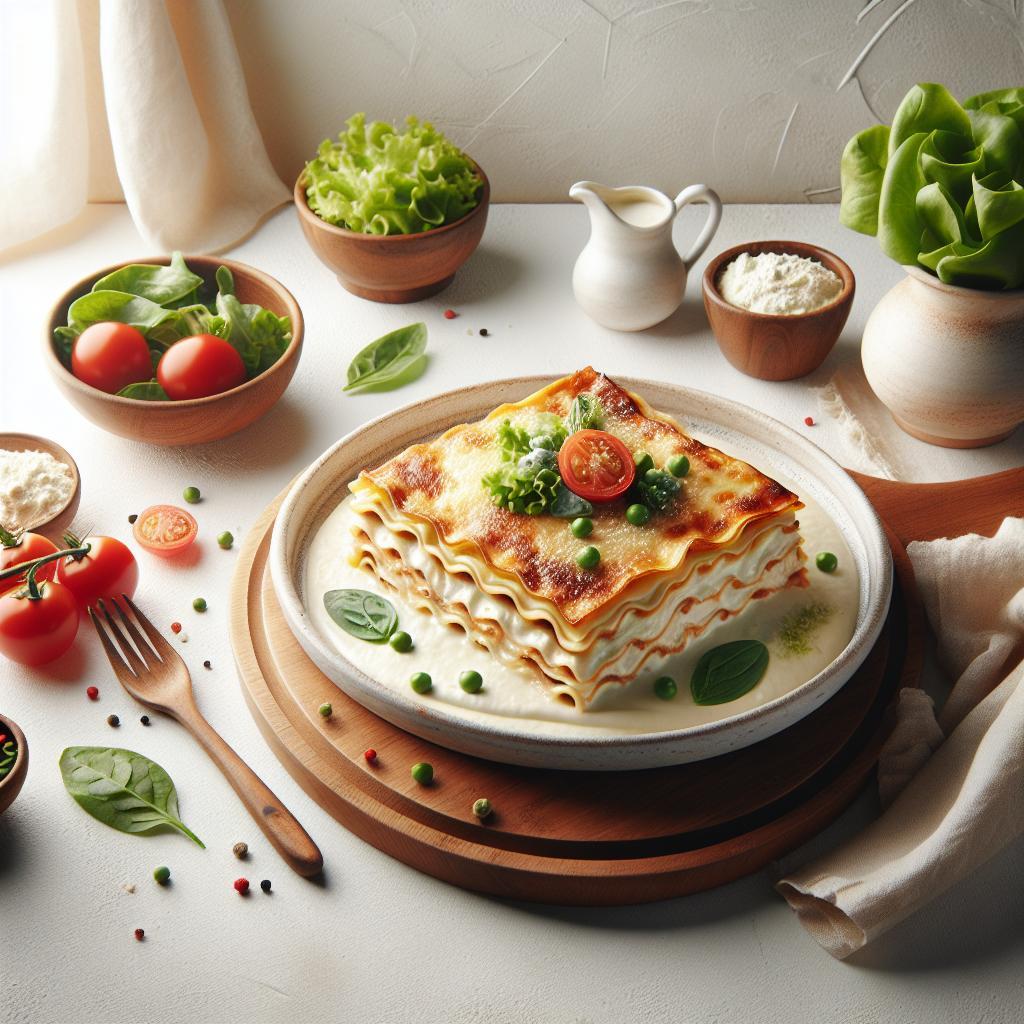

Lasagna remains a comfort-food benchmark because texture matters as much as flavor. The real lift comes from a refined, well-balanced ricotta blend that binds layers while preserving brightness.
This guide shows precise techniques, ingredient choices, and assembly steps so you can reliably produce a silky ricotta mix that holds its shape and enhances each bite. For technical background on the cheese itself, see ricotta.
- Silkiness: Drain, bind, and fold for spreadable texture.
- Balance: Salt, nutmeg, and aged cheese sharpen mild ricotta.
- Timing: Rest the mix to harmonize flavors and firm the spread.
- Layering: Even, generous spreads prevent dry bites and sogginess.
Prep and Cook Time
Preparation: 15 minutes sets the stage; adequate prep prevents last-minute fixes. Technique-focused prep saves time when assembling.
Cook: 45 minutes yields a set lasagna with lightly browned top and stable interior. Rest 10 minutes before serving for cleaner slices.
- Preparation Time: 15 minutes
- Cook Time: 45 minutes
- Total Time: 1 hour (plus resting)
Yield and Difficulty
This recipe serves 6 hearty portions when layered in a standard 9×13 pan. Portion control matters; generous ricotta per layer produces a luxurious mouthfeel.
Difficulty: Medium. The skills required are drainage, measured seasoning, and confident layering. Home cooks pick this up after one test bake.
Ingredients
Precision matters in ingredient form and temperature. Use chilled dairy and freshly grated hard cheese for optimal integration.
Key ingredients include quality whole-milk ricotta and a finely grated aged cheese such as Parmigiano-Reggiano for umami depth; see Parmigiano-Reggiano for context on aging and flavor.
- 2 cups whole-milk ricotta cheese, well-drained
- 1/2 cup freshly grated Parmigiano-Reggiano, finely grated
- 1 large egg, lightly beaten to bind and enrich
- 1/4 cup finely chopped fresh basil, for herbal lift
- 2 tablespoons fresh Italian parsley, chopped finely
- 1 clove garlic, minced for subtle savory notes
- 1/4 teaspoon freshly grated nutmeg, for aromatic balance
- Salt and freshly ground black pepper, to taste
- 2 tablespoons whole milk, optional for silkier texture
Instructions
Start by removing as much whey as possible from the ricotta. Excess moisture will steam during baking and make layers loose rather than cohesive.
Work with chilled ingredients and a medium mixing bowl. Cold dairy combines more predictably and prevents the mixture from becoming runny.
- Drain the ricotta: Place ricotta in a fine-mesh sieve over a bowl for 15 minutes or wrap in cheesecloth and press gently. Aim for a creamy but not watery base.
- Combine binding agents: Whisk the egg and then fold it into the drained ricotta to create structure that sets in the oven.
- Add seasonings and cheese: Fold in grated Parmigiano-Reggiano, minced garlic, nutmeg, salt, and pepper. Mix gently to avoid breaking curds into a paste.
- Incorporate herbs and adjust texture: Fold in basil and parsley. If the mixture resists spreading, add milk one tablespoon at a time until it slides off the spoon.
- Rest the blend: Cover and chill for at least 15 minutes. Resting firms the mix and helps flavors meld so the ricotta layers spread evenly.
- Layer confidently: Spoon and gently spread about 1 to 1½ cups of ricotta mix per layer depending on pan size. Aim for even coverage rather than thick clumps.
Layering and assembly tips
Alternate sauce and ricotta so each pasta sheet receives moisture and fat. This balance prevents dry pasta or soggy centers.
Use an offset spatula or the back of a spoon for consistent layers. Press lightly to remove air pockets but avoid compressing layers into a dense block.
Tips for Success
Small technique adjustments create predictable, repeatable results. The following suggestions target texture, seasoning, and timing.
Measure by feel as well as by weight; ricotta texture varies by brand and moisture content, so adapt milk additions accordingly.
- Always choose whole-milk ricotta for superior mouthfeel; low-fat variants lack the mouth-coating richness.
- Drain thoroughly: Even rich ricotta benefits from removing excess whey to prevent a watery casserole.
- Boost silkiness: Stir in a tablespoon of mascarpone or cream cheese for an extra-luxurious texture when desired.
- Herbs: Chop basil and parsley very fine so they integrate and don’t create fibrous pockets.
- Advance prep: Make the mix a few hours ahead to deepen flavor; keep chilled and stir before layering.
After following the preceding tip, test one small spoonful in a hot pan to check flavor balance. Adjust salt and nutmeg in small increments rather than large ones.
Serving Suggestions
Finish with a delicate sprinkle of grated Parmigiano-Reggiano and a light drizzle of extra virgin olive oil. This adds sheen and a final flavor lift.
Serve slices after a 10-minute rest so the layers hold when plated. Pair with a medium-bodied red or a bright salad to cut the richness; see general context on lasagne traditions for pairing ideas.
| Nutritional Information (per serving) | Value |
|---|---|
| Calories | 350 kcal |
| Protein | 18 g |
| Carbohydrates | 12 g |
| Fat | 25 g |
Garnish with a few fresh basil leaves for aroma and color. For herb background, read about basil characteristics if you plan to adjust herb ratios.
FAQ
Q1: What makes ricotta ideal for lasagna?
Ricotta provides creamy, mild dairy fat that bridges sauce and pasta without overpowering other elements. When drained and bound, it creates a tender layer that sets during baking.
Q2: How do I prevent a soggy lasagna?
Drain ricotta thoroughly, reduce excess sauce, and rest the assembled lasagna before cutting. Use measured ricotta portions per layer to avoid adding excessive moisture.
Q3: Can I prepare the ricotta mix ahead of time?
Yes. Chilling the mix for a few hours tightens texture and blends flavors. Keep it covered and stir gently before spreading to loosen any surface firming.
Q4: What substitutions work for dairy-free diets?
Blended firm tofu with a small amount of nutritional yeast, lemon, and olive oil can mimic the texture and tang but will differ from dairy ricotta in mouthfeel. Drained, well-pressed alternatives perform best.
Q5: How much ricotta per layer is optimal?
Use roughly 1 to 1.5 cups per standard layer depending on pan dimensions. This volume ensures a creamy presence without overwhelming pasta or sauce balance.
Closing Remarks
Mastering a creamy ricotta mix requires attention to drainage, binding, and seasoning. These controlled adjustments create consistent, repeatable lasagna results.
Apply the sequencing and small technical tweaks outlined here and you will reliably produce lasagna that slices cleanly and delivers a silky ricotta experience in every bite. Buon appetito!
See also: Ricotta mix