
The perfect pizza begins with methodical technique and ingredients chosen to perform under household conditions. Apply tested steps for dough handling, sauce restraint, cheese blending, and topping strategy to produce consistent results at home.
- Why this perfect pizza guide matters
- Perfect pizza: choosing the ideal dough
- Mastering sauce selection for a perfect pizza
- Unlocking cheese blends for optimal melt on a perfect pizza
- Topping combinations that balance taste and texture for a perfect pizza
- Prep and cook time for consistent perfect pizza results
- Yield and difficulty when making a perfect pizza
- Ingredients tuned for a perfect pizza
- Instructions: step-by-step to a perfect pizza
- Tips for success when chasing a perfect pizza
- Serving suggestions for a perfect pizza
- Nutrition per serving for a perfect pizza
- Additional resources and internal references
- FAQ
- Hands-on control: precise fermentation and hydration tune crust texture for a perfect pizza.
- Sauce restraint: a thin, concentrated sauce keeps the center crisp on a perfect pizza.
- Cheese strategy: blends tailored for melt and flavor prevent oily patches on a perfect pizza.
- Toppings economy: measured layers maintain bake temperature and crust integrity on a perfect pizza.
Why this perfect pizza guide matters
Home ovens and ingredient quality vary; technique closes the gap between intention and result. This guide gives repeatable, equipment-aware steps so you can bake a reliable perfect pizza tonight.
Follow these adjustments to improve crust crispness, topping cook-through, and overall balance. Small, deliberate changes in hydration, bake surface, and topping placement deliver measurable gains.
Perfect pizza: choosing the ideal dough
Start with a dough formula that matches your oven heat and desired crust profile. A basic mix of flour, water, salt, yeast, and oil adapts easily to thin-crisp or airy, chewy bases with modest hydration changes.
Read about basic dough behavior at dough science when you adjust formulas. For yeast timing and fermentation control consult the overview of yeast physiology.
Hydration and kneading (practical details)
Hydration strongly influences crumb openness: 58–65% water by weight suits most home ovens for a balanced crumb and predictable handling for a perfect pizza. Knead until the dough feels smooth and springs back; that indicates adequate gluten development.
Use autolyse or a short rest to improve extensibility and reduce spring-back during shaping. If you want a crisper edge, choose higher-protein flour and slightly longer oven exposure.
Mastering sauce selection for a perfect pizza
Choose a sauce that adds flavor without releasing excess water. Crushed canned tomatoes concentrated with minimal processing provide acidity and sweetness without thinness.
Simmer briefly or drain excess liquid before assembly to avoid soggy centers. Learn about cultivar differences at San Marzano tomato to understand why some tomatoes concentrate better when cooked.
Unlocking cheese blends for optimal melt on a perfect pizza
Cheese choice controls melt, oil release, and surface browning. Whole-milk low-moisture mozzarella gives classic stretch; add aged cheeses like provolone or Parmesan for flavor lift without sacrificing texture.
Blending cheeses reduces pooling oil and yields more even browning. For broader cheese categories consult the general cheese overview.
Topping combinations that balance taste and texture for a perfect pizza
Choose toppings that match the cheese and sauce and share compatible cook times. Precook proteins and dense vegetables to remove excess moisture and concentrate flavor before assembly.
Limit topping layers and place heavy or wet elements sparingly to preserve crispness. Textural contrast—crisp peppers, silky caramelized onions, and tender cooked chicken—keeps bites interesting and prevents a soggy center.
Prep and cook time for consistent perfect pizza results
Preparation: plan for 20 minutes active work excluding rises and chill times. Measure and stage ingredients so you avoid overworking dough and losing oven heat while assembling.
Rising/Dough Rest: 1 hour at room temperature or 24–72 hours refrigerated for complexity. Cold fermentation develops organic acids and aroma compounds that improve final flavor.
Yield and difficulty when making a perfect pizza
Yield: the recipe scales; a standard formula yields a 12-inch pie that serves four. Scale weights proportionally when you make multiple pies to maintain hydration and bake characteristics.
Difficulty: medium—technique-focused but accessible. Precision with time and temperature beats guesswork; repeat the same formula to learn its behavior in your oven.
Ingredients tuned for a perfect pizza
For dough: 3 cups all-purpose or bread flour, 1 tsp active dry yeast, 1 tsp sugar, 1 cup lukewarm water (about 110°F/45°C), 1 tbsp olive oil, 1 tsp fine salt. Adjust water by weight when you switch flours.
For sauce and toppings: a cup of crushed tomatoes reduced if needed, garlic, olive oil, oregano, salt and pepper; cheese blend: mozzarella as base plus provolone and Parmesan. Use pre-cooked proteins and thinly sliced vegetables.
Instructions: step-by-step to a perfect pizza
1) Activate yeast: dissolve yeast and sugar in lukewarm water until slightly frothy, about 5–10 minutes. A faint foam confirms live yeast and reduces the risk of under-risen dough.
2) Mix dough: combine flour and salt, add the yeast mix and oil, bring to a shaggy mass, then knead 8–10 minutes until smooth and elastic. Proper gluten gives the dough strength to trap gas and produce oven lift.
Shaping, assembling, and baking for a perfect pizza
3) Rise and shape: place dough in a lightly oiled bowl, cover, and let it double—about 1 hour at room temp or overnight in the fridge. After cold fermentation, bring dough to room temperature before shaping to avoid tearing.
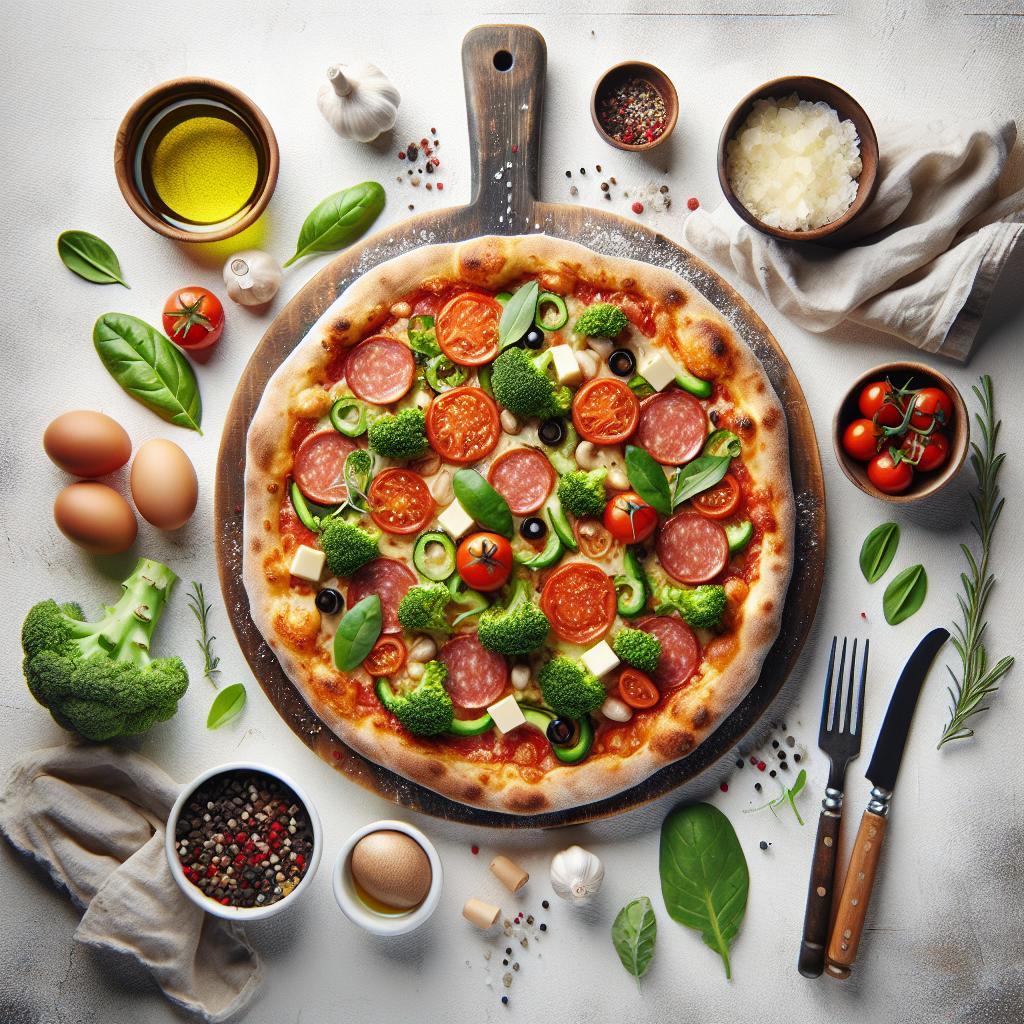
4) Sauce and assemble: spread a thin layer of sauce to avoid sogginess, distribute the cheese blend evenly, then add pre-cooked toppings in a single layer. Avoid overloading the pie so heat penetrates evenly and the crust crisps under the toppings.
5) Bake: preheat the oven to its highest safe temperature—commonly 475–500°F (245–260°C)—and use a preheated pizza stone or steel when available. Bake 10–15 minutes depending on oven performance, watching for golden edges and bubbling cheese.
Choosing the right bake surface and using a peel reduces transfer stress and preserves the dough’s shape. A stone or steel stores heat and gives a rapid oven spring that benefits a perfect pizza crust.
Adjust topping placement if you notice certain areas burn faster; move delicate herbs to the finishing stage after the bake. This strategy maintains fresh aromatics without risking scorch.
Tips for success when chasing a perfect pizza
Flour selection: all-purpose performs well for tender bases; bread flour gives more chew and structure. When you change flour, reduce or increase hydration slightly to match absorption.
Sauce texture: reduce watery sauces by simmering or draining. Taste and season the sauce before assembly so the bake concentrates the final flavor without over-salting.
Serving suggestions for a perfect pizza
Serve pizza hot from the oven on a warm cutting board to keep the crust crisp. Finish with fresh basil and a light drizzle of extra-virgin olive oil for aroma and sheen.
Pair with a bright salad dressed in a lemon vinaigrette to balance richness. Offer grated hard cheese or chili flakes so diners can customize heat and umami intensity.
Nutrition per serving for a perfect pizza
Estimate values will vary with ingredient brands and portion sizes. For the listed recipe expect roughly 420 kcal, 28 g protein, 45 g carbohydrates, and 15 g fat per serving.
Adjust cheese or portion size to control calories and fat. Use lean proteins and increase vegetable toppings to boost fiber and micronutrient content without harming the bake.
Additional resources and internal references
For broader context on pizza traditions and regional techniques see the general overview at pizza history and styles. That page helps you pick a style that suits your oven and ingredients.
Practice focused experiments and track results. For dough shaping drills and recipe variations, visit our internal guides on perfect pizza techniques and explore related wood-fired recipes for transfer techniques and heat management.
FAQ
Q: What makes a pizza truly perfect?
A: Balance between crust texture, sauce brightness, cheese melt, and appropriate toppings defines a perfect pizza. Each element should support the others so no single component overwhelms the bite.
Q: How long should I ferment dough for best flavor?
A: Short room-temperature rises take 1–2 hours; cold fermentation for 24–72 hours yields deeper flavor. Use reduced yeast when you extend fridge time to prevent overproofing.
Q: What oven temperature is optimal for home baking?
A: Set your oven as hot as it safely goes—typically 475–500°F (245–260°C)—and use a preheated stone or steel when available. High, fast heat helps the crust lift and creates attractive surface browning.
Q: Can I freeze dough or sauce ahead of time?
A: Yes. Dough freezes well after its first rise; thaw in the fridge and return to room temperature before shaping. Sauce freezes for several months in airtight containers without significant loss of quality.
Q: How do I prevent a soggy center?
A: Use a restrained sauce layer, pre-cook wet toppings, and ensure the oven is fully preheated. Dust the peel or pan lightly with semolina or fine cornmeal to improve bottom crisping and reduce sliding.

See also: related techniques: perfect pizza and our method notes on dough basics.
See also: perfect pizza