
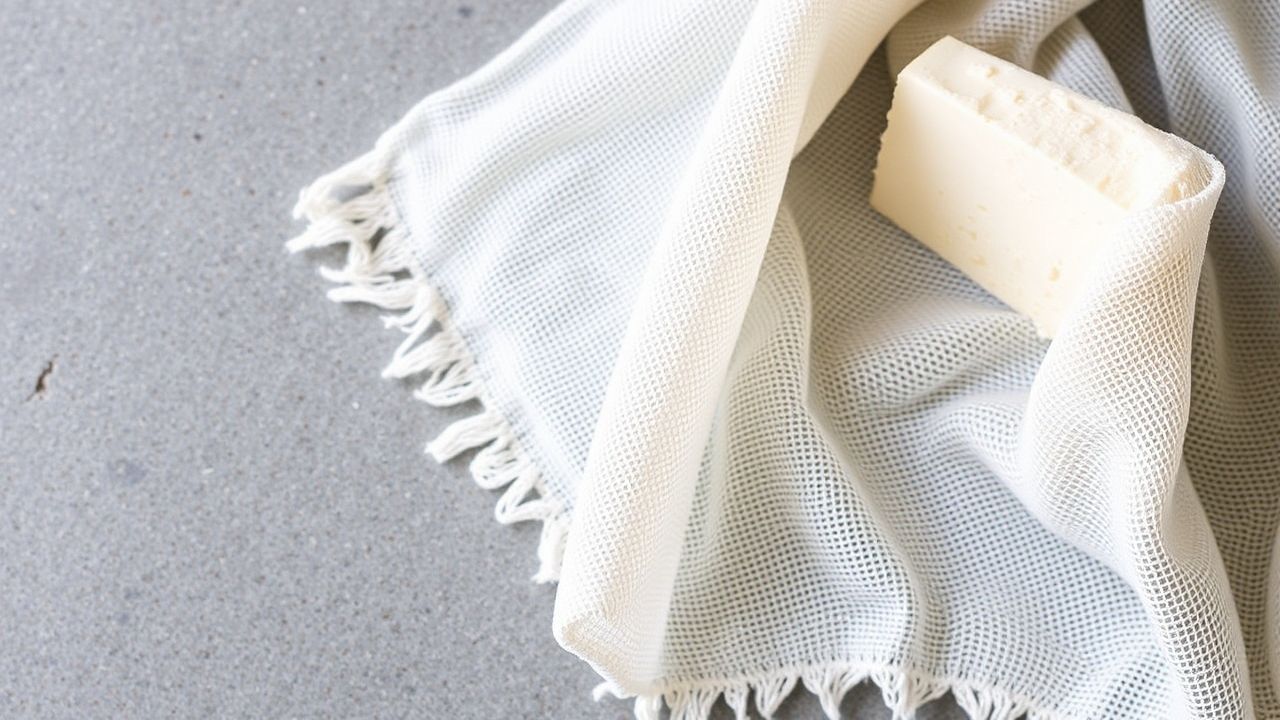

Imagine a kitchen tool so simple, yet indispensable, that it transforms everyday cooking into precise results. Cheesecloth is that gauzy cotton fabric responsible for silky almond milks, clear broths, and smooth cheeses.
- Choose the right weave: loose for herbs, tight for nut milks and consommés.
- Prefer unbleached cotton: better flavor and fewer residues.
- Care matters: rinse immediately, wash gently, air-dry to extend life.
- Layering works: fold lightweight cloths for finer filtration.
Understanding Weave and Weight
The weave and weight define how a cheesecloth filters. A loose weave passes more liquid quickly but traps fewer solids; a tight weave captures fine particles but slows drainage.
Typical light weights run about 30–40 gsm and suit coarse tasks. Medium and heavy weights (40–50+ gsm) hold up to nut milks and stocks and resist tearing under strain.
Weave Grades and Practical Uses
Manufacturers sometimes label cheesecloth by grade or thread style rather than by exact thread count. Lower-grade cloths (coarser) are best for bundling herbs or rough straining during initial sieving.
Higher-grade cloths perform like a fine sieve and help produce clear liquids. For technical background on sieving and filtration, refer to the concept of sieve.
Fabric Type: Why Cotton and Muslin Matter
Most quality cheesecloths use 100% cotton because cotton resists heat and tolerates repeated washing. Cotton also minimizes off-flavors compared with synthetic alternatives.
High-quality muslin stitches offer a smoother hand and consistent weave. Read more about the base fiber at cotton and the woven fabric muslin.
Top Picks and Buying Advice
When selecting a product, prioritize unbleached and food-grade cloths. Unbleached cotton keeps flavors neutral and avoids chemical residues.
Look for full-width rolls or large squares (typically 36″ x 36″ or larger) to handle batch sizes from 1 quart up to multiple gallons without excessive seams.
Brand Traits to Compare
Choose brands that disclose weight (gsm) and provide user feedback on durability. Brands offering organic cotton add transparency on input materials and processing.
Also check return policies: reputable sellers will accept products that tear faster than advertised or show inconsistent weave density.
Practical Use: Straining Techniques That Work
Set the cloth over a bowl or a strainer, fold it 2–3 times for finer filtration, and pour slowly. Gravity does the bulk of the work; avoid aggressive wringing unless the recipe calls for it.
For heavy loads, use a hoop or a taut strainer to keep the cloth from bunching. Bunching creates flow obstruction and traps sediments at random points.
Layering and Time Management
For ultra-clear results, layer multiple thin cloths instead of forcing a tight weave cloth. Layering gives you controlled filtration and simplifies cleanup because you can discard the top layer if heavily soiled.
Allow adequate drain time. Some nut milks and broths need one to several hours to fully clarify; be patient for maximum yield and clarity.
Cleaning and Long-Term Care
Immediate cold-water rinsing removes solids and prevents staining. For a deeper clean, soak in warm water with mild detergent, then rinse until water runs clear.
Air-dry fully on a flat surface or hang; avoid enclosed plastic storage with any residual moisture to stop mildew formation.
[p]
Storage and Inspection
Fold cheesecloth loosely and store in a dry, breathable container. A labeled cotton bag keeps kitchen linens organized and ready for the next use.
Before reuse, inspect for thinning or small tears. Even tiny holes can allow solids to pass through and compromise clarity.
Substitutes and When to Choose Them
Muslin and fine kitchen sieves can substitute for cheesecloth in many tasks. Keep one or two fine nylon nut-milk bags for frequent plant-milk use, but avoid them when a pure cotton surface matters for flavor.
For other household uses—polishing, crafts, or garden protection—cheesecloth serves well. However, designate separate cloths for non-food tasks to avoid contamination.
Chef’s Notes and Troubleshooting
If you see sediment in your end product, either add an extra layer of cloth or allow the mixture to settle before decanting. Settling reduces solids that reach the cloth and improves yield.
If cloths tear repeatedly, upgrade to a medium or heavy weight. Expect light-weight cloths to be more fragile and suited to one-off tasks.
Quick Reference Table
Light (30–40 gsm): coarse tasks, herbs, delicate bundles. Use once or twice.
Medium (40–50 gsm): nut milks, yogurt cheese. Reusable with careful washing.
Heavy (50+ gsm): stocks, heavy liquids. Durable and washable multiple times for sustained kitchen use.
Relevant Learning and Further Reading
To understand fiber and textile basics that affect cheesecloth performance, consult introductory resources on textiles. For food handling and safe reuse practices, reliable guidance can be found at the general food safety overview.
For tools that pair well with cheesecloth, see our internal guides: best kitchen mesh strainers and kitchen tools guide. These resources explain how strainers, hoops, and funnels speed up filtration and reduce mess.
FAQ
What is the best cheesecloth weave for nut milk?
Use a medium to tight weave or double-layer a light cloth. Folding light-weight cloth two to three times creates a finer mesh without buying a tighter weave product.
Can I sterilize cheesecloth before first use?
Yes. Rinse in boiling water or blanch for a minute to remove dust and residues from manufacturing. Always allow cloth to cool before handling.
How many times can I reuse a cheesecloth?
Reusable life depends on weight and care. Medium and heavy cotton cloths can last dozens of cycles if rinsed immediately, washed gently, and stored dry.
Is bleached cheesecloth safe?
Bleached cloths are safe after thorough washing, but unbleached cotton reduces chemical exposure and better preserves delicate flavors in food applications.
When should I use a disposable cloth?
Choose disposable cloths for raw meat juices, high-risk proteins, or when cross-contamination is a concern. Disposable options reduce sanitation risk when handling hazardous items.
With the right cheesecloth, you control clarity, yield, and texture. Choose fabrics that match task demands, care for them methodically, and pair them with the right tools to make straining fast and predictable.
See also: cheesecloth