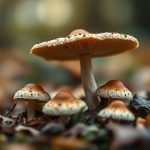
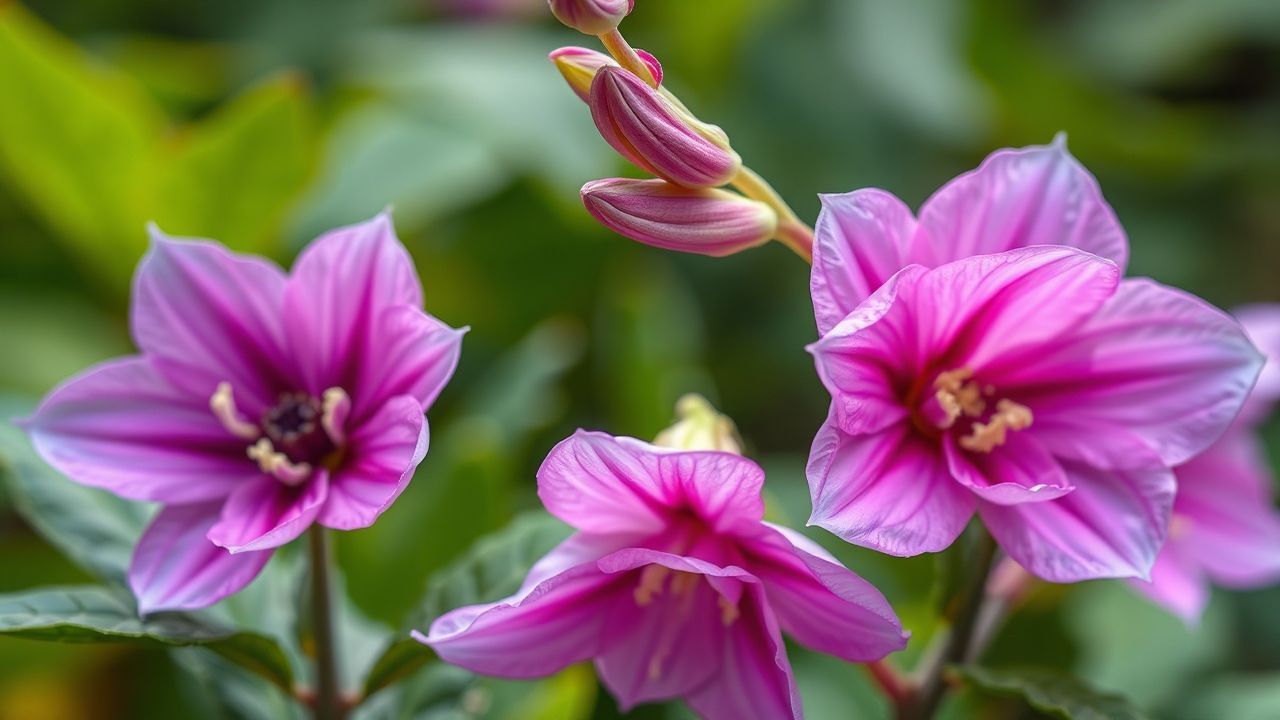

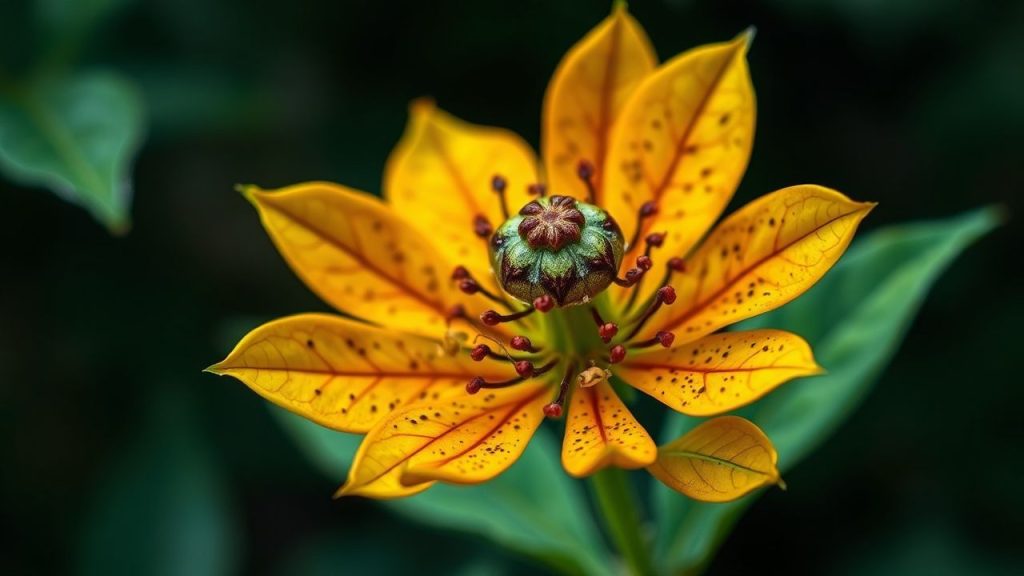
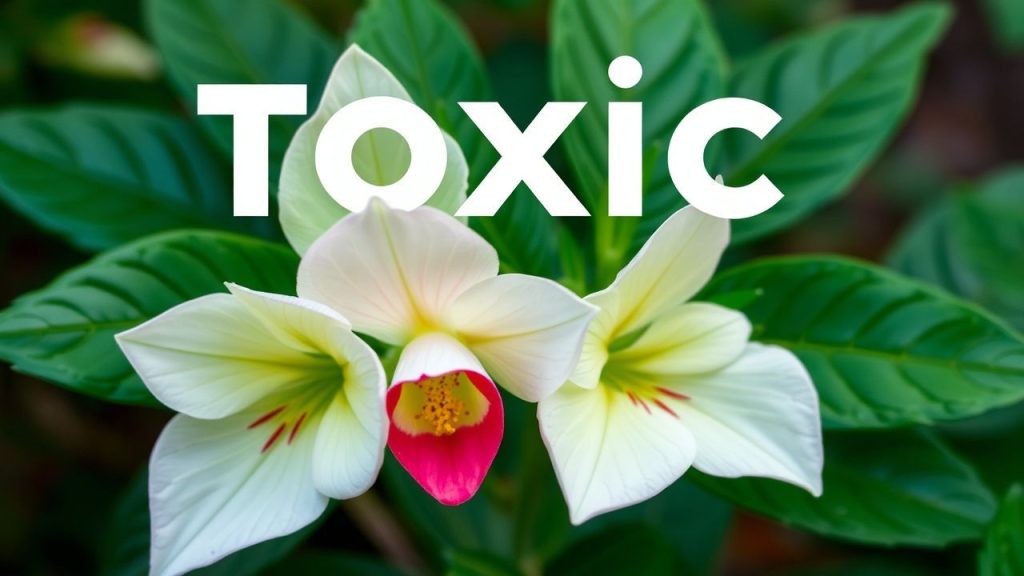
Poisonous plants can hide in plain sight: vibrant flowers, glossy berries, and ornamental foliage that lure hands and mouths. Recognizing common toxic species protects children, pets, and visitors while letting you keep a beautiful, managed landscape.
- Know the look: Learn quick visual cues for common poisonous plants.
- Protect the household: Keep high-risk specimens away from play areas and indoor displays.
- Prepare to respond: Post poison-control numbers and keep a plant-photo album for responders.
- Substitute smartly: Replace risky ornamentals in high-traffic zones with non-toxic alternatives.
Prep and Cook Time
Preparation Time: Fifteen minutes is enough to walk your property perimeter and tag suspect plants. Use gloves and visual ID aids during the sweep.
Emergency Response Planning: Ten minutes will let you list emergency contacts, note medication allergies, and place instructions near phones and the shed.
Yield
This guide yields actionable recognition skills for common poisonous plants and a compact checklist you can follow immediately. Apply these steps and reduce accidental exposures at home.
You will produce a simple map of high-risk zones and a labeled photo album for quick reference by family members and first responders.
Difficulty Level
Easy to medium. Identifying poisonous plants depends on observation and consistent habits rather than specialized tools. Most gardeners can complete the tasks with basic protective gear.
For large, deeply rooted, or mature specimens, arrange professional removal to minimize risk during extraction.
Ingredients
Prepare personal protection: gloves, long sleeves, closed shoes, eye protection, and clean pruning shears. Bring sealed waste bags for disposal.
Also carry a first-aid kit, a printed list of emergency contacts, and a plant reference or app. Keep identification photos stored on your phone and a laminated emergency card in the kitchen.
- Knowledge base: Field guides or trusted plant references
- Protective gear: Gloves, long sleeves, closed shoes, eyewear
- Tools: Clean pruning shears and sealed disposal bags
- Safety kit: First-aid kit, emergency numbers, medical notes
Instructions
Familiarize Yourself: Learn the most common poisonous plants in your region and their distinctive traits. Focus on leaf shape, flower structure, sap color, and berry clusters when scanning beds.
Perform a Garden Audit: Inspect borders and containers methodically and mark toxic plants with weatherproof labels. When removal is needed, wear protection and seal clippings for disposal.
- Identify: Confirm species using trusted references, then document location and risk level.
- Isolate or Remove: Relocate risky plants away from play zones, or remove if the exposure risk is high.
- Educate: Teach family members the plants to avoid and the first-aid steps they should follow.
- Maintain: Clean tools after handling to prevent cross-contamination with edible plants.
Chef’s Notes / Tips for Success
Substitute toxic ornamentals with non-toxic species in high-traffic areas. Herbs, many annuals, and native perennials can provide color without the same poisoning risk.
Create a labeled visual album of the plants on your property for quick recognition by household members and contractors. Keep photos dated and annotated with the plant’s location.
[NOTE]Professional removal reduces risk for mature or extensive infestations; contact a licensed landscaper if roots or branches are large.[/NOTE]
Rotate the card seasonally; fruiting and flowering phases change risk levels. A small, clearly labeled binder in the toolbox speeds identification when someone spots an unknown plant.
Common Poisonous Plants to Recognize
Below are high-priority poisonous plants that appear in many landscapes, with concise identification cues and hazard notes. Use the visual signals—milky sap, clusters of berries, tubular flowers—to flag likely risks quickly.
Each entry includes a verified botanical reference for deeper study so you can confirm identification before acting.
Oleander (Nerium oleander)
Oleander carries cardiac glycosides throughout its tissues. Leaves are leathery and lance-shaped and flowers form showy clusters; all parts pose poisoning risk if ingested.
Avoid burning clippings because smoke can disperse toxins. If used as a screen, place oleander away from play areas and tag plants clearly to alert visitors and workers.
Deadly Nightshade (Atropa belladonna)
Deadly nightshade produces dark, shiny berries that can attract children and wildlife. The plant contains tropane alkaloids that affect the nervous system and can cause severe symptoms.
Remove volunteer seedlings near paths and teach family members to recognize the glossy berries. Wear gloves when pulling plants or collecting samples for identification.
Castor Bean (Ricinus communis)
Castor bean seeds contain ricin, a highly toxic compound. Seeds are glossy and may resemble decorative beads; ingestion of even a few seeds can be dangerous.
Avoid planting castor beans in areas children or pets access. If you locate seeds, collect them with gloves and seal them for disposal according to hazardous-waste procedures in your municipality.
Foxglove (Digitalis purpurea)
Foxglove delivers cardiac-active glycosides in flowers and leaves. The tall tubular blooms are attractive in borders but present a clear ingestion hazard.
Place foxglove out of reach and label beds to inform visitors. Gardeners with young children should consider non-toxic substitutes for cottage-style plantings.
Other Common Offenders
Certain lilies, yew, and some ornamental bitters can harm pets or humans. Learn the local species that behave as toxic agents where you live and add them to your checklist.
Consult regional plant lists and maintain a prioritized map of which poisonous plants require removal versus isolation.
Emergency Response and First Aid
If ingestion or a significant exposure occurs, act quickly and stay calm. Remove plant material from the mouth and rinse exposed skin with soap and water.
Call local emergency services or poison control immediately. Provide the plant description, the part involved, the time of exposure, and the patient’s age and weight when possible.
Record symptoms and treatments given for responders. If safe, bring a sample or clear photo of the plant to aid clinicians in identification and treatment.
How to Garden Safely: Alternatives and Best Practices
Designate safe play spaces and plant non-toxic species nearby. Raised beds and fenced zones prevent pets and kids from accessing risky patches without constant supervision.
Label plants clearly and keep a running inventory of species on your property. Prune and remove seedlings of unwanted poisonous plants before they establish and spread.
Use internal resources to support long-term safety: add your plant inventory to the household binder and to an online log at your site dashboard. For further garden-safety ideas, see the Poisonous Plants tag and the homepage guide to safe planting at CookHarvest.
Serving Suggestions
When arranging bouquets or styling displays, verify every stem before placing it near edibles. Keep decorative plants separate from food-prep and dining areas.
For indoor choices, select well-documented non-toxic species and avoid novelty or unknown specimens in homes with young children. Maintain a clear policy for guests and caregivers about plant risks.
| Nutritional Info | Calories | Protein | Carbs | Fat |
|---|---|---|---|---|
| Toxic Plants (Do Not Ingest) | 0 kcal | 0 g | 0 g | 0 g |
| Non-Toxic Edible Plants (e.g., Basil) | 22 kcal (per 100g) | 3.2 g | 2.7 g | 0.6 g |
FAQ
Concise questions and answers follow to support quick schema-ready use and fast reader reference.
What are “toxic beauties” in plants?
“Toxic beauties” describes attractive plants that contain poisonous compounds in leaves, sap, seeds, or roots. Their appearance can mislead caretakers into underestimating risk.
Learn a few distinguishing features and consult authoritative references for confirmation before acting on suspicion.
How can I identify poisonous plants safely?
Avoid tasting or unnecessary handling of unknown plants. Use photographic identification and focus on leaf shape, flower form, and fruit type when identifying species.
If uncertain, keep a safe distance and consult a regional extension service or a printed field guide to confirm the ID.
Which plants commonly pose hazards to households?
Frequent offenders include oleander, deadly nightshade, castor bean, foxglove, and certain lilies that are toxic to pets. Each species has characteristic signs to watch for.
Map these plants on your property and remove or isolate those within reach of children or animals.
What should I do if someone is exposed?
Rinse skin or mouth after contact and move the person to fresh air if inhalation is suspected. Seek immediate medical guidance and provide plant details to responders.
Bring a photo or a clipped specimen, if it is safe to collect one, to help clinicians identify the toxin and advise treatment.
Where can I learn more authoritative information?
Consult regional university extension services and medical poison-control centers for specific toxicology and treatment advice. For general background on toxic exposures, refer to the poisoning overview at poisoning.
Use verified botanical pages such as Nerium oleander, Atropa belladonna, and Ricinus communis for species-specific details.
As you maintain your landscape, keep learning and stay observant. Beauty and risk often coexist, but disciplined identification, labeling, and removal strategies let you enjoy a safe garden.
See also: Poisonous Plants | CookHarvest home
Recommended Reading:
- Soothing Plantain Salve: DIY Bug Bite Relief at Home
- Fresh & Flavorful: Watercress Soup and Salad Recipes Guide
- Wild & Wonderful: Crafting the Perfect Wild Green Salad