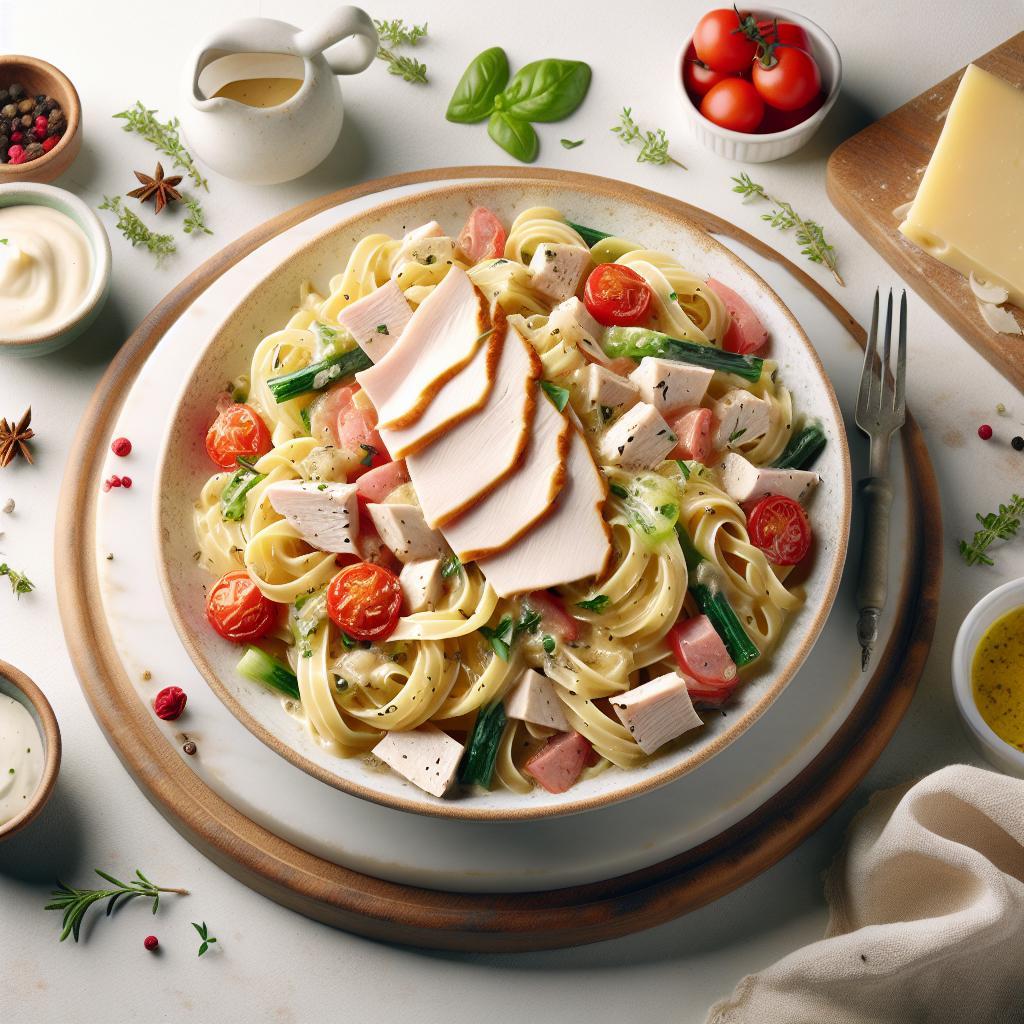

When comfort food meets culinary craft, Turkey Stroganoff Delight transforms lean turkey and a velvety sauce into a weeknight favorite that feels elevated. This version keeps the classic comfort while trimming fat and adding bright flavor notes for balance.
- Lean protein, big flavor: Ground turkey gives stroganoff a lighter profile without losing richness.
- Sauce control: A careful roux and off-heat sour cream finish prevent grainy or curdled sauce.
- Noodle choice matters: Wide egg noodles or pappardelle capture sauce better than thin pastas.
Prep and Cook Time
Preparation: 15 minutes. Gather ingredients, chop aromatics, and measure liquids before heat to keep the cook flow efficient.
Cooking: 30 minutes. Searing, deglazing, and a short simmer create a sauce with depth and proper body.
- Total: 45 minutes
Yield
Serves 4 hearty portions when paired with a simple salad or roasted vegetables for balance. Portion control matters because the sauce concentrates flavor and calories.
Scale easily: double the sauce base for 6–8 servings, and keep an eye on liquid ratios to maintain texture.
Difficulty Level
Medium. The method uses classical techniques—browning, roux formation, and gentle finishing—that reward attention to timing and temperature. These are approachable steps for a cook with basic pan skills.
Practice improves results: browning in batches and finishing the sour cream off-heat are small moves that produce consistent outcomes.
Ingredients
Below are the core components that deliver texture and flavor. Use full-fat sour cream for the silkiest finish; substitutions are possible but change the final mouthfeel.
Adjust seasoning and mushroom variety to taste. Crimini or button mushrooms work well because they release savory juices when properly caramelized.
- 12 oz wide egg noodles
- 1 lb ground turkey, preferably lean
- 2 cups cremini mushrooms, thinly sliced
- 1 medium onion, finely chopped
- 3 cloves garlic, minced
- 2 tbsp unsalted butter
- 2 tbsp olive oil
- 1 cup low-sodium chicken broth
- 1 cup sour cream, full-fat for creaminess
- 2 tsp Dijon mustard
- 1 tbsp all-purpose flour, sifted
- 1 tsp smoked paprika
- Salt and fresh-cracked black pepper, to taste
- Fresh parsley, chopped for garnish
Instructions
Follow an efficient mise en place to keep each step tight and consistent. Timing is the primary control for texture and flavor in this recipe.
Work at medium to medium-high heat; reduce heat before adding sour cream to protect its texture. Small adjustments make a big difference.
- Cook the noodles: Bring a large pot of salted water to a boil. Add wide egg noodles and cook until al dente, about 7–8 minutes; drain and toss with a drizzle of olive oil to prevent sticking.
- Sauté aromatics and mushrooms: In a large skillet over medium heat, melt butter with olive oil. Add onions and sauté until translucent, about 4 minutes; stir in garlic and cook another minute, then add mushrooms and cook until browned and their moisture has evaporated, roughly 6–7 minutes.
- Brown the turkey: Push mushroom mixture to the side and add turkey in batches if needed. Break it apart and brown until just cooked through, about 5–6 minutes, then combine with the mushroom mixture.
- Create the sauce base: Sprinkle flour over the mixture and stir to coat; cook 1–2 minutes to remove raw flour taste and form a light roux that will thicken the sauce evenly.
- Deglaze and simmer: Slowly pour in chicken broth while stirring to avoid lumps. Add Dijon mustard and smoked paprika, bring to a gentle simmer for 5–7 minutes until the sauce coats the back of a spoon.
- Finish with sour cream: Reduce heat to low and remove from direct high heat before stirring in sour cream to prevent curdling. Adjust seasoning and thin with reserved broth if needed.
- Combine and serve: Fold in the cooked noodles until well coated. Warm through briefly, then transfer to serving plates and garnish with parsley and a light sprinkle of smoked paprika if desired.
Serve immediately for best texture; if holding, reheat gently with a splash of broth. Overheating can separate dairy-based sauces quickly.

Choosing the Perfect Noodles for Maximum Flavor and Texture
The noodle choice determines how the dish feels on the fork. Wide egg noodles or pappardelle trap and carry sauce, delivering a satisfying bite that balances with turkey and mushrooms.
For background on noodle types and global varieties, see the noodle overview. Use fresh sheets or wide dried shapes to avoid a thin, slippery mouthfeel that defeats the sauce.
For more guidance on pasta shapes and sauce pairing, check our internal resource: Noodle Selection Tips. That page summarizes shape-to-sauce logic and quick swaps.
Secrets to Achieving the Ultimate Creamy Sauce – Tips from Culinary Experts
Texture control uses three levers: fat, starch, and temperature. A measured flour roux, the right amount of broth, and a gentle finish with full-fat sour cream create a stable, glossy sauce.
For ingredient context, read about sour cream properties and how fat content affects stability. Use full-fat for heat tolerance and mouth-coating richness.
Incorporating a small amount of Dijon contributes acidity and emulsification. Learn the condiment’s background at Dijon mustard.
Maintain low heat after adding dairy and stir continuously until the sauce homogenizes. If the sauce tightens too much, add reserved pasta water or broth in small increments to reach a silky consistency.
Serving Suggestions and Pairings to Complement Your Turkey Stroganoff Delight
Light, acidic sides offset creaminess well. A crisp green salad with lemon vinaigrette or quick-pickled cucumbers will brighten each forkful.
For texture contrast, serve roasted green beans or garlic-butter asparagus alongside the stroganoff. For bread pairing, crusty artisan loaves soak up sauce without competing with flavors.
If you wish to compare classic versions, consult our internal page: Classic Beef Stroganoff Recipe to study how beef’s richness changes sauce balance and portioning.
Tips for Success
Small technique shifts produce consistent, restaurant-quality results. Brown in batches to avoid steaming, and reserve some pasta water to fine-tune final viscosity.
Keep a thermometer or attentive eye on heat; most sauce issues come from overheating. Reheating should be gentle with stirring to keep the sauce cohesive.
- Use ground turkey with some fat for flavor; lean breast is fine but add a teaspoon of butter if necessary.
- Sear mushrooms until golden for maximum savory depth; do not overcrowd the pan.
- Reserve 1/2 cup broth or pasta water to adjust sauce at the end.
- Finish sour cream off heat to avoid separation.
Nutritional Information per Serving
A practical estimate per portion: approximately 420 calories, 35 g protein, 40 g carbs, and 15 g fat. These values vary by exact ingredient choices and portion size.
To reduce calories, swap half the sour cream for plain Greek yogurt or use whole-grain noodles for more fiber. Keep in mind texture and flavor will shift slightly with substitutions.
| Calories | Protein (g) | Carbs (g) | Fat (g) |
|---|---|---|---|
| 420 | 35 | 40 | 15 |
Final Thoughts
Turkey Stroganoff Delight proves that classic techniques adapt well to lean proteins without losing the comfort that makes stroganoff beloved. Swap ingredients thoughtfully and respect temperature control to get the best texture.
Practice the steps once or twice and they become second nature: warm pan, proper browning, measured roux, and a gentle dairy finish produce reliably excellent results every time.
FAQ
Q1: What exactly is Turkey Stroganoff?
Turkey Stroganoff swaps beef for turkey while retaining the creamy mushroom-based sauce that defines the dish. It keeps the core technique but lightens the protein profile.
The result is a comfort dish that often cooks faster than beef-based versions and pairs especially well with wide noodles or pappardelle.
Q2: Can I use a dairy-free substitute for sour cream?
You can substitute coconut cream or cashew cream for a dairy-free finish, but texture and flavor will shift. Use a neutral, full-fat plant cream for the best silkiness.
Test a small amount first and add off heat; plant-based creams tolerate heat differently and may require additional emulsifiers or broth to match the original mouthfeel.
Q3: How can I prevent the sauce from becoming grainy?
Prevent graininess by cooking the flour briefly to remove raw taste, adding broth slowly while whisking, and finishing sour cream off heat. Gentle, steady stirring and correct heat level are critical.
If a grainy texture appears, strain the sauce and re-emulsify with a small amount of warm broth or use an immersion blender to smooth it.
Q4: Is this dish suitable for freezing?
Yes. Freeze in airtight portions and thaw in the refrigerator before reheating. Rewarm gently over low heat with a splash of broth to restore sauce silkiness.
Avoid microwaving at high power since rapid heating can break emulsions and separate dairy-based components.
Q5: Which noodle alternatives work best?
Wide egg noodles, pappardelle, or fresh hand-cut noodles work best because they provide surface area and chew to capture sauce. Thin pastas like angel hair do not hold the sauce well.
For whole-grain options, choose thicker shapes to avoid a dry, crumbly mouthfeel; reserve extra broth to maintain creaminess if using denser noodles.
For further technique notes and a beef-based comparison, explore the Beef Stroganoff article and our internal resources linked above. Experiment with small adjustments until the dish reflects your flavor and texture preference.
See also: Turkey Stroganoff