
Unlock Bold Flavor with a homemade BBQ sauce that balances smoke, tang, and sweetness for a memorable glaze. This recipe uses pantry staples and clear technique to deliver sticky, layered flavor that elevates grilled meats and roasted veg.
- Bold, balanced flavor from smoke, acid, and sweeteners.
- Simple technique you can scale and tweak batch to batch.
- Make-ahead benefit: flavors meld overnight for better depth.
Overview: What This Sauce Does
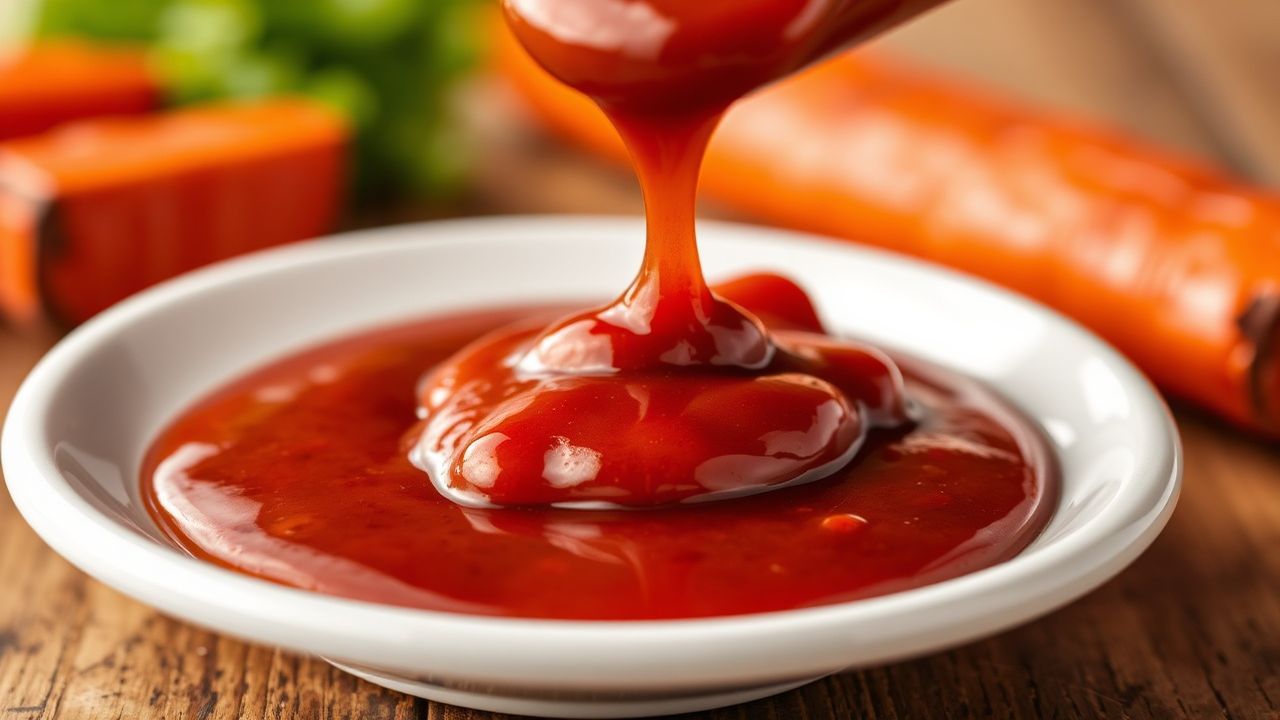
This sauce provides a thick, clingy glaze with clear flavor layers: umami depth, bright acidity, and controlled sweetness. As you cook, liquids reduce and sugars concentrate, which creates that lacquered finish prized for ribs and wings.
For more context on the broader cooking tradition, see barbecue on Wikipedia. That history explains why balancing smoke and acid matters for long-cooked proteins.
Prep and Cook Time
Preparation: 15 minutes. First, measure ingredients and finely chop aromatics to keep the cook step fast and controlled.
Cooking: 35–45 minutes simmer. Then reduce gently until the sauce coats a spoon and shines.
- Total Time: about 1 hour
Yield and Difficulty
Yield: Roughly 3 cups—enough for 6–8 servings as a condiment or glaze. You can halve or double reliably because the technique scales linearly.
Difficulty: Easy to moderate. The only skill you need is controlled simmering and tasting to adjust seasoning as you reduce.
Ingredients
Collect these items before you start. Keep tasting tools and a timer handy so you can focus on reduction and seasoning.
Substitutions matter. For example, swapping molasses for brown sugar changes color and depth; swapping honey for maple shifts floral notes.
Key Ingredients & Roles
Crushed tomatoes: form the body and acidity. For context on tomato varieties and processing, consult tomato.
Apple cider vinegar: gives bright, clean tang and helps balance sugar. Background on this ingredient is available at apple cider vinegar.
- 1 (28 oz) can crushed tomatoes (fire-roasted optional)
- 1/2 cup apple cider vinegar
- 1/3 cup honey or pure maple syrup for gentle sweetness
- 1/4 cup molasses for depth and color
- 3 tbsp Worcestershire sauce for umami; see Worcestershire sauce
- 2 tsp smoked paprika and 1 tsp ground cumin
- 1 tsp garlic powder or 3 cloves fresh garlic, minced
- 1 large yellow onion, finely chopped
- 1 tsp chili flakes or cayenne (adjust for heat)
- 1/2 tsp salt and 1/4 tsp black pepper
- 2 tbsp olive oil and 1/4 cup water as needed
Instructions
Follow a clear, staged method: sweat aromatics, build the sauce, then reduce slowly. Timing and taste adjustments during reduction determine the final balance.
Work actively: stir regularly to prevent sticking, and add water by tablespoon if it thickens too fast. Then remove early if you prefer a thinner dipping sauce.
- Heat the oil in a heavy saucepan over medium heat. Add chopped onion and sauté 5–7 minutes until soft and translucent.
- Add garlic and cook 30–60 seconds until fragrant, taking care not to brown the garlic.
- Pour in crushed tomatoes and stir to combine with the aromatics, creating a cohesive base.
- Add vinegar, honey, molasses, and Worcestershire then stir until evenly blended into the tomato base.
- Season with smoked paprika, cumin, garlic powder, chili flakes, salt, and pepper. Mix thoroughly to distribute spice particles.
- Bring to a gentle boil, then lower to a simmer. Cook uncovered 35–40 minutes, stirring periodically while the sauce reduces.
- Taste and adjust toward the end—add salt, sweetener, or heat in small increments until the balance suits your palate.
- Cool and store slightly before transferring into jars. Refrigerate when fully cooled.
Tips for Success
Slow reduction concentrates flavor and creates viscosity. Reduce at a low simmer to avoid scorching sugars, and stir every few minutes.
Texture control: use an immersion blender for a silky finish, or leave it chunky for rustic charm. If you need a thinner sauce, add water in small amounts.
Also, always taste after cooling a bit. Foods lose heat and your perception of acidity and heat shifts as the temperature drops, so adjust seasoning after the sauce cools slightly.
Serving Suggestions
This sauce excels as a finishing glaze for pork ribs, a dunk for wings, or a bold condiment on burgers. Its shine and thickness help it cling and build layers of flavor during the final cook stage.
Also use it as a base for baked beans, a topping for roasted vegetables, or mixed into pulled pork for a saucier sandwich. Small garnishes like chopped green onion provide freshness and visual contrast.
Nutritional Notes
Two tablespoons of typical homemade BBQ sauce run roughly 50–70 calories depending on sweetener choice and concentration. Honey and molasses add both calories and unique flavor molecules that deepen the profile.
If you monitor sodium, reduce added salt or choose a low-sodium Worcestershire alternative. For longer shelf life, store in airtight jars and freeze portions for months.
| Nutritional Info (per 2 tbsp) | Calories | Protein | Carbs | Fat |
|---|---|---|---|---|
| Homemade BBQ Sauce | 60 | 1g | 15g | 0.5g |
Storage and Make-Ahead
Store the cooled sauce in an airtight jar refrigerated for up to two weeks. For longer storage, freeze in portioned containers for up to three months and thaw before use.
Flavors meld over time; make-ahead sauce often tastes better the next day as acids and sweeteners harmonize. Reheat gently before glazing to restore fluidity.
FAQ
Below are the most common questions cooks ask when making homemade BBQ sauce. Each answer gives practical steps or alternatives to try at home.
These responses help you adjust technique, choose substitutions, and store your sauce safely for repeat use.
Q1: What makes homemade BBQ sauce better than store-bought?
Homemade sauce gives you control over sweeteners, salt, and heat, so you can tune the profile to your protein and palate. Also, you avoid preservatives and can use higher-quality ingredients for cleaner flavor.
Q2: How long should I simmer my sauce?
Simmer 20–40 minutes depending on desired thickness. Start tasting at 20 minutes and then at 5–10 minute intervals to adapt to your preferred viscosity.
Q3: Can I change the heat level safely?
Yes. Use milder smoked paprika as a base and add cayenne or chipotle in small increments. Remember that heat concentrates slightly during reduction, so add cautiously.
Q4: Can I use this sauce for other dishes?
Absolutely. Beyond grilled meats, use it in baked beans, as a pizza base for BBQ chicken, or mixed into mayo for a quick sandwich spread. It pairs well with bold cheeses and smoky sides.
Q5: What if my sauce is too acidic or too sweet?
If too acidic, add a touch more sweetener or a pinch of baking soda very cautiously to neutralize acid. If too sweet, introduce more vinegar, mustard, or a splash of tomato paste to rebalance.
For further reading on ingredient science, consult general references like garlic or molasses on Wikipedia to understand how flavor compounds develop.
See also: BBQ sauce