
Imagine transforming simple milk into a silky, probiotic-rich yogurt in your own kitchen. A yogurt maker is the appliance that controls temperature and time to turn milk and a starter culture into a stable, creamy product. This guide explains what a yogurt maker does, how it works, and how to get consistent results at home.
- Control: You decide fat level, sweetness, and culture strains.
- Consistency: Steady incubation improves texture and flavor.
- Nutrition: Fresh homemade yogurt delivers live cultures and protein.
- Economy: Homemade batches cost less than premium store brands over time.
What a Yogurt Maker Is
A yogurt maker is a purpose-built incubator that holds milk at a narrow temperature range for several hours so beneficial bacteria ferment lactose into lactic acid. The device removes guesswork by maintaining the thermal environment that thermophilic cultures prefer.
Most models use a low, consistent heat source and either a single pot or multiple jars to produce batch or portioned yogurt. The result is a stable network of milk proteins and acid that yields thickness and characteristic tang.
How It Works: The Science Simplified
Yogurt production relies on controlled fermentation by lactic acid bacteria. These microbes metabolize lactose and release lactic acid, which lowers pH and causes milk proteins to coagulate and thicken.
Temperature control matters because common yogurt bacteria—such as Streptococcus thermophilus and Lactobacillus delbrueckii subsp. bulgaricus—grow best near 43°C (110°F). A yogurt maker offers this stable environment, improving culture activity and texture uniformity.
Prep and Cook Time
Preparation: About 10 minutes to heat, cool, and add starter. This initial step sets the stage for an even fermentation.
Fermentation: Typically 6 to 12 hours depending on desired tartness and culture strength. Longer incubation increases acidity and firmness.
Yield and Difficulty
Yield: Standard home recipes produce roughly 4 cups (1 quart) per batch using 4 cups of milk. You can scale proportionally for larger devices with multiple jars.
Difficulty: Easy for home cooks who follow temperature and sanitation guidelines. Attention to heat and clean equipment gives repeatable results.
Ingredients
4 cups whole milk (for richness) or substitute lower-fat or non-dairy milk with process adjustments. Full-fat milk typically delivers creamier mouthfeel.
2 tablespoons plain yogurt with live cultures to act as the starter. Use a fresh, active starter or reserve starter from a previous batch for continuity.
Instructions
Follow a controlled sequence: heat, cool, inoculate, incubate, and chill. Each step supports the microbial and protein changes that form good yogurt.
Use a thermometer and clean utensils. Precision at the start avoids common problems like runny texture or inconsistent fermentation.
- Heat the milk. Warm milk to about 180°F (82°C) to denature whey proteins and reduce competing microbes. Stir regularly to prevent scorching.
- Cool the milk. Remove from heat and cool to about 110°F (43°C). This is the target incubation temperature for most yogurt cultures.
- Prepare the starter. Whisk 2 tablespoons of active yogurt with a small amount of cooled milk until smooth; then mix back into the cooled milk.
- Fill the containers. Pour the inoculated milk into jars or the main container provided with your yogurt maker.
- Incubate. Set the machine to maintain ~110°F (43°C) and ferment for 6–12 hours to desired tang and thickness.
- Refrigerate. Chill the finished yogurt for at least 2 hours; cooling stabilizes texture and slows bacterial activity.
- Customize and store. Add sweeteners, fruit, or strain for Greek-style yogurt. Store jars in the refrigerator for up to 1–2 weeks depending on freshness of the starter and milk.
Tips for Success When Crafting Homemade Yogurt
Sanitation and temperature control are the two most common determinants of consistent yogurt. Clean jars and utensils and avoid drafts during incubation.
Use whole milk for a richer mouthfeel and consider adding powdered milk (1–2 tablespoons per cup) if you want extra body without straining.
- Starter quality: Pick plain yogurt that lists live active cultures on the label or save starter from a recent successful batch.
- Stable temp: Erratic temperatures cause patchy texture; the yogurt maker eliminates most of that variability.
- Greek-style: Strain finished yogurt through cheesecloth or a fine sieve for 2–4 hours to remove whey and thicken.
- Non-dairy milks: Almond, coconut, and soy behave differently; thickeners or stabilizers often improve texture.
Leave the jars in the maker undisturbed during incubation. Minimizing movement reduces whey separation and preserves a uniform gel network.
Serving Suggestions
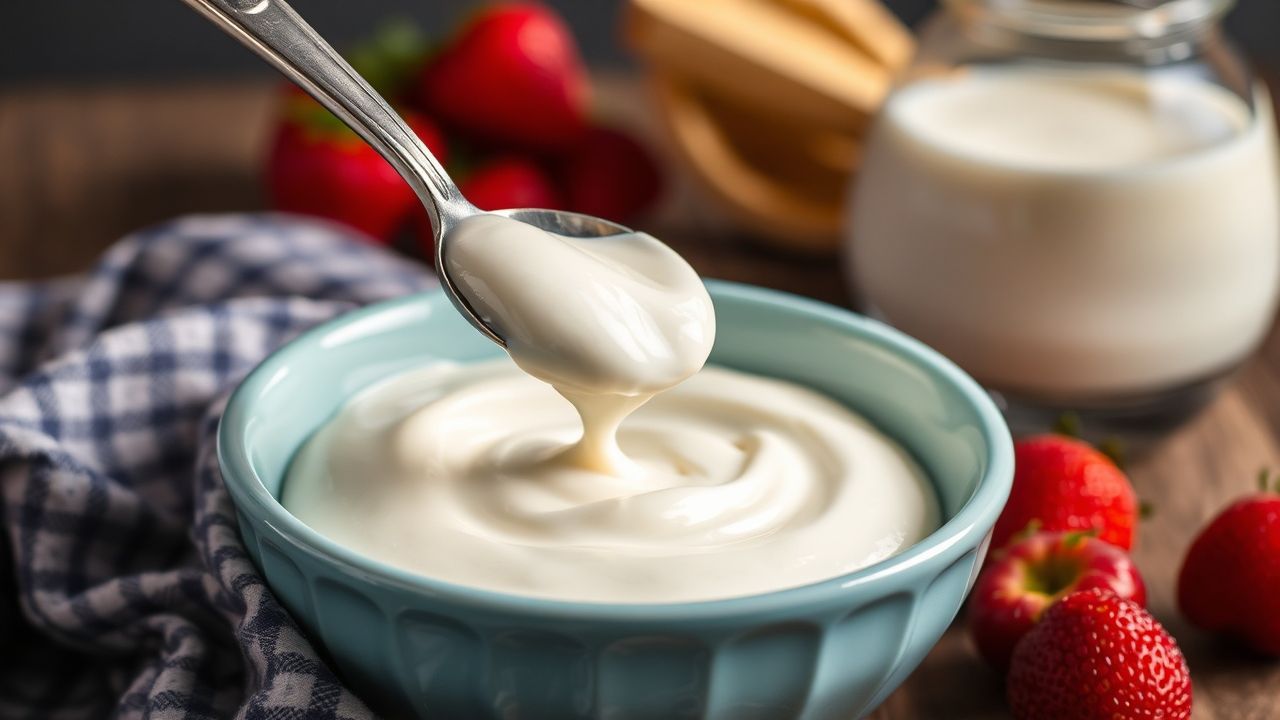
Homemade yogurt is versatile: serve plain, sweetened with honey, or dressed with fruit and nuts. Use it as a base for smoothies, marinades, dips, or chilled soups.
For savory applications, blend yogurt with cucumber, garlic, and herbs to create sauces like tzatziki or use it to tenderize meats in marinades.
Nutrition Snapshot
Yogurt provides protein, calcium, and live cultures when unpasteurized post-fermentation activity persists. Nutrient values vary by milk fat and strain selection.
Below is a typical estimate for 1 cup of whole-milk yogurt. Values change with straining and added ingredients.
| Nutrient | Amount per 1 cup (approx.) |
|---|---|
| Calories | 150 |
| Protein | 8 g |
| Carbohydrates | 12 g |
| Fat | 8 g |
Types of Yogurt Makers and Variations
Yogurt makers range from simple insulated pots to electric units with timers and multiple jars. Choose based on batch size, control needs, and space.
Some units offer programmable incubation and cooler compartments for layering flavors. Multi-jar systems let you create different flavors simultaneously without cross-contamination.
Relevant Science and Further Reading
The fermentation process in yogurt connects to broader topics in microbiology and food science. Read about yogurt history and microbial roles on authoritative pages.
Key reference topics include the general Yogurt entry and the role of Probiotic organisms in fermented foods. For milk composition, consult the Milk overview.
FAQ
How long should I incubate yogurt for the best texture?
Incubate 6–12 hours depending on desired tartness. Shorter times (6–8 hours) yield milder, softer yogurt; longer times increase acidity and firmness.
Check the flavor at the 6-hour mark and every 1–2 hours after if you prefer to control tang precisely.
Can I use leftover yogurt as a starter indefinitely?
You can reuse a few tablespoons from each batch as a starter for the next cycle. However, after several generations, culture balance may shift and performance can decline.
Rotate back to a fresh commercial starter occasionally to maintain predictable results.
Will non-dairy milks produce the same results?
Non-dairy milks require adjustments. Plant-based milks often lack the protein and sugar balance that dairy milk provides, so texture can be thin without thickeners.
Add stabilizers like agar, tapioca, or commercial thickeners and use specially formulated starter cultures for best outcomes.
What temperature should my yogurt maker maintain?
Target roughly 110°F (43°C) for most traditional yogurts using thermophilic strains. Maintain steady temperature within a few degrees to ensure consistent fermentation.
If your model allows, test with a thermometer in a jar of milk to validate the set point before committing a full batch.
Where can I learn more about lactic acid bacteria used in yogurt?
Explore resources about lactic acid bacteria and fermentation to understand strain differences and health effects. Scholarly summaries and encyclopedia entries provide reliable overviews.
Relevant scientific topics include Lactic acid bacteria and general fermentation processes for food preservation.
Final thought: A yogurt maker simplifies fermentation and improves repeatability. When you control heat, starter quality, and sanitation, you consistently get richly textured, flavorful yogurt tailored to your taste.
See also: yogurt maker