By using this site, you agree to the Privacy Policy and Terms of Use.
Accept

CookHarvest

  • Home
  • About Us
  • Homemade Staples
    • Bread & Butter
    • DIY Dairy
    • Sauces & Condiments
    • Spice Mixes
  • Canning & Pickling
    • Jams & Jellies
    • Pickled Veggies
    • Chutneys & Relish
    • Tomato Sauces
  • Drying & Curing
    • Dehydrated Snacks
    • Homemade Jerky
    • Smoked Meats
    • Dried Herbs
  • Wild Foods
    • Wild Greens
    • Wild Mushrooms
    • Wild Berries
    • Nuts & Acorns
  • More
    • Tasty Ideas
    • American Home Meals
      • Comfort Eats
      • One-Pot Meals
      • Quick & Easy
      • Southern Classics
    • International Recipes
      • Asian Recipes
      • Italian Flavors
      • Mediterranean Flavors
      • Mexican Eats

CookHarvest

  • Home
  • About Us
  • Homemade Staples
  • Canning & Pickling
  • Drying & Curing
  • Wild Foods
  • More
Search
  • Home
  • About Us
  • Homemade Staples
    • Bread & Butter
    • DIY Dairy
    • Sauces & Condiments
    • Spice Mixes
  • Canning & Pickling
    • Jams & Jellies
    • Pickled Veggies
    • Chutneys & Relish
    • Tomato Sauces
  • Drying & Curing
    • Dehydrated Snacks
    • Homemade Jerky
    • Smoked Meats
    • Dried Herbs
  • Wild Foods
    • Wild Greens
    • Wild Mushrooms
    • Wild Berries
    • Nuts & Acorns
  • More
    • Tasty Ideas
    • American Home Meals
    • International Recipes
Follow US
  • Advertising Policy
  • Contact Us
  • Cookie Policy
  • Copyright Notice
  • Disclaimer
  • Privacy Policy
  • Terms of Service
By Fimaw.com
Unlocking Flavor: The Art and Science of Lacto-Fermentation
CookHarvest > Blog > Canning & Pickling > Pickled Veggies > Unlocking Flavor: The Art and Science of Lacto-Fermentation
Pickled Veggies

Unlocking Flavor: The Art and Science of Lacto-Fermentation

Dennis Powell By Dennis Powell Published November 10, 2025
Share
SHARE

In a world where culinary boundaries are constantly expanding, one ancient technique is quietly experiencing a vibrant renaissance: lacto-fermentation. This age-old practice, rooted in tradition yet bursting with modern-day relevance, transforms humble ingredients into tangy, probiotic-packed delights that tantalize the taste buds and nourish the body. Unlocking flavor through lacto-fermentation is both an art and a science-a delicate dance between microorganisms and time that yields complex, layered tastes impossible to replicate by any other means. Join us as we delve into the fascinating process behind this microbial magic, exploring how bacteria can elevate simple foods into gourmet treasures and why lacto-fermentation continues to captivate chefs, food lovers, and health enthusiasts alike.

Contents
The Magic Behind Fermentation: Understanding Lactic Acid BacteriaPrep and Cook TimeYieldDifficulty LevelIngredientsInstructionsChef’s Notes: Tips for SuccessServing SuggestionsQ&AIn Retrospect

The Magic Behind Fermentation: Understanding Lactic Acid Bacteria

Unlocking Flavor: The Art and Science of Lacto-Fermentation begins with embracing the natural wonder of lactic acid bacteria (LAB), the microscopic champions responsible for transforming simple vegetables into tangy, complex delights. These friendly microorganisms thrive in saltwater brines, converting sugars into lactic acid, which not only creates that signature zing but also acts as a natural preservative. This biological alchemy has roots that stretch across cultures and centuries, from Korean kimchi to Eastern European sauerkraut, delivering layers of flavor deepening with time.

Prep and Cook Time

  • Prep Time: 20 minutes
  • Fermentation Time: 5-14 days (depending on ambient temperature and taste preference)

Yield

  • Makes approximately 4 cups of finished lacto-fermented vegetables

Difficulty Level

  • Easy to Medium – ideal for kitchen fermenters of all skill levels

Ingredients

  • 1 medium green cabbage (about 2 pounds), thinly sliced
  • 1 tablespoon sea salt (non-iodized, preferably kosher or Celtic salt)
  • 2 cloves garlic, finely minced
  • 1 teaspoon caraway seeds (optional, for aromatic depth)
  • 1 small carrot, peeled and grated (adds sweetness and crunch)
  • Filtered water (if needed, to cover vegetables during fermentation)

Instructions

  1. Prepare your workspace: Sterilize a quart-sized glass jar and fermentation weight to ensure a clean environment for your lacto-fermentation journey.
  2. Slice and salt the cabbage: Thinly slice the cabbage and place it in a large mixing bowl. Sprinkle 1 tablespoon sea salt over it, then massage vigorously with clean hands for 5-7 minutes. This wilts the cabbage, releasing natural juices to create the perfect brine.
  3. Mix in aromatics: Stir in the minced garlic, grated carrot, and caraway seeds. These ingredients enhance both taste and texture, layering sweet, savory, and earthy notes.
  4. Pack tightly into jar: Transfer the cabbage mixture into your jar, pressing down firmly with a wooden tamper or spoon to remove air pockets. The goal is to submerge everything beneath its own brine.
  5. Add weights and seal: Place a fermentation weight or a small, clean glass to keep vegetables submerged under the brine. Cover the jar with a cloth or an airlock lid to allow gases to escape while preventing contaminants.
  6. Ferment at room temperature: Store the jar in a cool, dark place at about 65-72°F (18-22°C). Check daily, pressing down if vegetables float above the brine. Taste testing should begin around day 5.
  7. Refrigerate when ready: Once your desired tang and texture develop, seal the jar with a lid and refrigerate to slow fermentation. Enjoy your homemade tangy lacto-fermented vegetables fresh or cold, straight from the jar!

Chef’s Notes: Tips for Success

  • Use high-quality sea salt free from additives – iodine and anti-caking agents can inhibit fermentation.
  • If your vegetables don’t release enough liquid, add a pinch of salt to filtered water and pour in to fully cover before weighting down.
  • Warm temperatures speed fermentation but can lead to mushy textures. Cooler rooms lengthen the process but result in crunchier veggies.
  • Feel free to experiment with herbs and spices – dill, mustard seeds, or ginger create exciting variations.
  • Always use clean utensils to avoid introducing unwanted bacteria.

Serving Suggestions

Serve your lacto-fermented vegetables as a vibrant condiment alongside grilled meats or sandwiches, or toss them into fresh salads for an added probiotic punch. Garnish with fresh parsley or a sprinkle of toasted sesame seeds for additional visual appeal and flavor contrast. Their refreshing tang complements creamy dishes like cheeses or spreads beautifully, balancing richness with bright acidity.

Nutrient Per 100g
Calories 25 kcal
Protein 1.2 g
Carbohydrates 5 g
Fat 0.1 g
Fiber 2.3 g
Vitamin C 15 mg (25% DV)

For more insights into other fermentation techniques, explore our Probiotic Fermented Foods Collection. To deepen your understanding of lactic acid bacteria, visit this comprehensive review by NCBI that delves into the science behind fermentation.

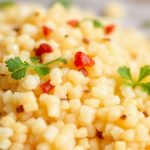
Lacto-fermented cabbage showcasing tangy texture and vibrant colors

Q&A

Q&A: Unlocking Flavor – The Art and Science of Lacto-Fermentation

Q1: What exactly is lacto-fermentation?
A1: Lacto-fermentation is a time-honored process where natural bacteria, primarily Lactobacillus species, convert sugars in vegetables and fruits into lactic acid. This acid not only preserves the food but also imparts a tangy, complex flavor and a delightful effervescence. It’s like a microscopic symphony transforming humble ingredients into living, probiotic-rich delicacies.

Q2: Why is it called “lacto”-fermentation-does it involve milk?
A2: Despite the name, lacto-fermentation doesn’t involve milk or dairy products. The “lacto” comes from lactic acid bacteria, which produce lactic acid during fermentation. These friendly microbes create an acidic environment that preserves your food and fosters remarkable flavors without the need for pasteurization or additives.

Q3: How does lacto-fermentation enhance flavor?
A3: The magic lies in biochemistry. As the lactic acid bacteria feast on sugars, they release lactic acid and other flavor compounds-think tangy, savory, and slightly sweet notes that deepen over time. These transformations create layers of taste, balance, and umami that fresh produce simply can’t deliver alone.

Q4: Is it only for vegetables, or can other foods be lacto-fermented?
A4: While vegetables like cabbage (think sauerkraut), cucumbers (pickles), and carrots are the stars of lacto-fermentation, many other foods are fair game. Fruits, dairy (like yogurt and kefir), sourdough starters, and even some meats can be transformed through lacto-fermentation, each developing its own distinct character and benefits.

Q5: What are some key tips for successful lacto-fermentation at home?
A5:

  • Use fresh, organic produce free from pesticides.
  • Salt properly-usually about 2% by weight-to create the ideal environment for bacteria.
  • Keep everything submerged in brine to prevent exposure to oxygen and unwanted molds.
  • Store at room temperature for initial fermentation, then refrigerate once the tangy flavor develops.
  • Be patient-flavors often blossom after days or weeks, depending on temperature and ingredients.

Q6: Are lacto-fermented foods good for your health?
A6: Absolutely! They’re packed with probiotics, those beneficial bacteria that nourish your gut microbiome, support digestion, and can boost immunity. The lactic acid also helps your body absorb nutrients better. Plus, fermented foods frequently offer antioxidants and vitamins enhanced by the fermentation process.

Q7: How does lacto-fermentation differ from other fermentation methods?
A7: Unlike alcohol fermentation, which converts sugars into ethanol and carbon dioxide, lacto-fermentation specifically generates lactic acid. Unlike vinegar fermentation, which involves acetic acid bacteria, lacto-fermentation preserves foods with mild acidity and live probiotics, delivering a fresh yet tangy zing without high alcohol or vinegar flavors.

Q8: Can everyone safely enjoy lacto-fermented foods?
A8: Generally, yes! But those with compromised immune systems or certain health conditions should consult their healthcare provider first. Also, individuals sensitive to histamines or sodium might want to pace their consumption-fermented foods are rich, vibrant, and sometimes intense.

Q9: How can one get creative with lacto-fermentation?
A9: The world of lacto-fermentation is your oyster! Experiment with different vegetables, spices, herbs, and even fruits. Add garlic, ginger, or chili flakes for bold bites, or try fermenting whole fruits like plums or cherries for unexpected delights. The fun is in the journey-every jar tells a new, flavorful story.

Q10: Where does the art meet science in lacto-fermentation?
A10: Art emerges in how you select ingredients, season your brine, and tune fermentation time to match your palate. Science ensures safe microbial growth, harnessing precise salt ratios, temperatures, and oxygen levels to nurture beneficial bacteria and prevent spoilage. Together, art and science unlock layers of sensory and health benefits in every crunchy bite.

In Retrospect

As the ancient craft of lacto-fermentation continues to captivate modern palates, it reminds us that the alchemy of flavor lies not only in ingredients but in time, patience, and microbial harmony. Unlocking this delicate dance between science and tradition opens up a world where ordinary vegetables transform into extraordinary taste experiences-teeming with depth, complexity, and vibrant life. Whether you’re a curious beginner or a seasoned fermenter, embracing lacto-fermentation invites you to become a steward of flavor, health, and culinary creativity. So, take a jar, gather your veggies, and let the invisible artisans at work beneath the surface reveal new realms of taste that transcend the familiar-because in every bubbling fermentation is a story waiting to be savored.
Unlocking Flavor: The Art and Science of Lacto-Fermentation

You Might Also Like

Unlocking the Secrets of the Italian Bean: A Culinary Gem

Mediterranean Salad Magic: Fresh, Flavorful, and Wholesome

Hearty Beef Stew Secrets: A Savory Comfort Classic Unveiled

Discover the Flavors of the Authentic Mexican Bake Delight

Wholesome Warmth: Crafting the Perfect Simple Chicken Soup

TAGGED:andarttheunlockingwith
Share This Article
Facebook Twitter Pinterest Whatsapp Whatsapp LinkedIn Telegram Threads
What do you think?
Love0
Sad0
Happy0
Sleepy0
Angry0
Dead0
Wink0
Previous Article Pepper Jelly Perfection: Crafting Hot & Sweet Recipes Pepper Jelly Perfection: Crafting Hot & Sweet Recipes
Next Article When Relish Turns Too Sour: Unpacking the Tangy Truth When Relish Turns Too Sour: Unpacking the Tangy Truth
Hearty One Pot Sausage & Bean Soup: Flavor in Every Spoon
One-Pot Meals
Crispy Delight: The Ultimate Fried Green Tomato Sandwich Guide
Southern Classics
Savor Garlic Butter Green Beans: A Flavorful Veggie Delight
Comfort Eats
Creamy Roasted Garlic Mashed Potatoes: A Savory Twist
Tasty Ideas

Most Viewed Posts

  • Soothing DIY Bath Salts with Dried Herbs & Blooms Guide (568)
  • Whip Up Magic: Homemade Butter for Perfect Baking Results (566)
  • Whip Up Creamy Buttermilk Ranch Dressing at Home Today (552)
  • Mastering Injera: The Art of Ethiopia’s Signature Bread (501)
  • Mastering the Art: How to Smoke Perfect Summer Sausage (465)

Tags

and art beef berry bread butter chicken crafting creamy crispy crunchy decadent diy easy flavorful fluffy for foraging guide hearty homemade how jam make master mastering mushroom nuts perfect savor savory sweet tangy the top turkey ultimate unlock unlocking why wild with yogurt your zesty

You Might Also Like

Brine vs. Dry Rub: Unlocking Flavor Secrets for Perfect Meat
Smoked Meats

Brine vs. Dry Rub: Unlocking Flavor Secrets for Perfect Meat

Dennis Powell Dennis Powell January 12, 2026
Crisp & Sweet: The Ultimate Guide to Dehydrated Apple Chips
Tomato Sauces

Crisp & Sweet: The Ultimate Guide to Dehydrated Apple Chips

Dennis Powell Dennis Powell January 12, 2026
Crafting Homemade Chicken Jerky: A Step-by-Step Guide
Homemade Jerky

Crafting Homemade Chicken Jerky: A Step-by-Step Guide

Dennis Powell Dennis Powell January 12, 2026
Wild Nuts Wonders: Elevate Your Cheese Board Flavorfully
Nuts & Acorns

Wild Nuts Wonders: Elevate Your Cheese Board Flavorfully

Dennis Powell Dennis Powell January 12, 2026
Savor the Flavor: Cheese & Herb Bread Pudding Recipe
Tasty Ideas

Savor the Flavor: Cheese & Herb Bread Pudding Recipe

Dennis Powell Dennis Powell January 12, 2026
Mastering Mushroom Tolerance: Step-by-Step Testing Guide
Wild Mushrooms

Mastering Mushroom Tolerance: Step-by-Step Testing Guide

Dennis Powell Dennis Powell January 12, 2026
Follow US
By Fimaw.com © All Rights Reserved.
  • Advertising Policy
  • Contact Us
  • Cookie Policy
  • Copyright Notice
  • Disclaimer
  • Privacy Policy
  • Terms of Service
Welcome Back!

Sign in to your account

Lost your password?