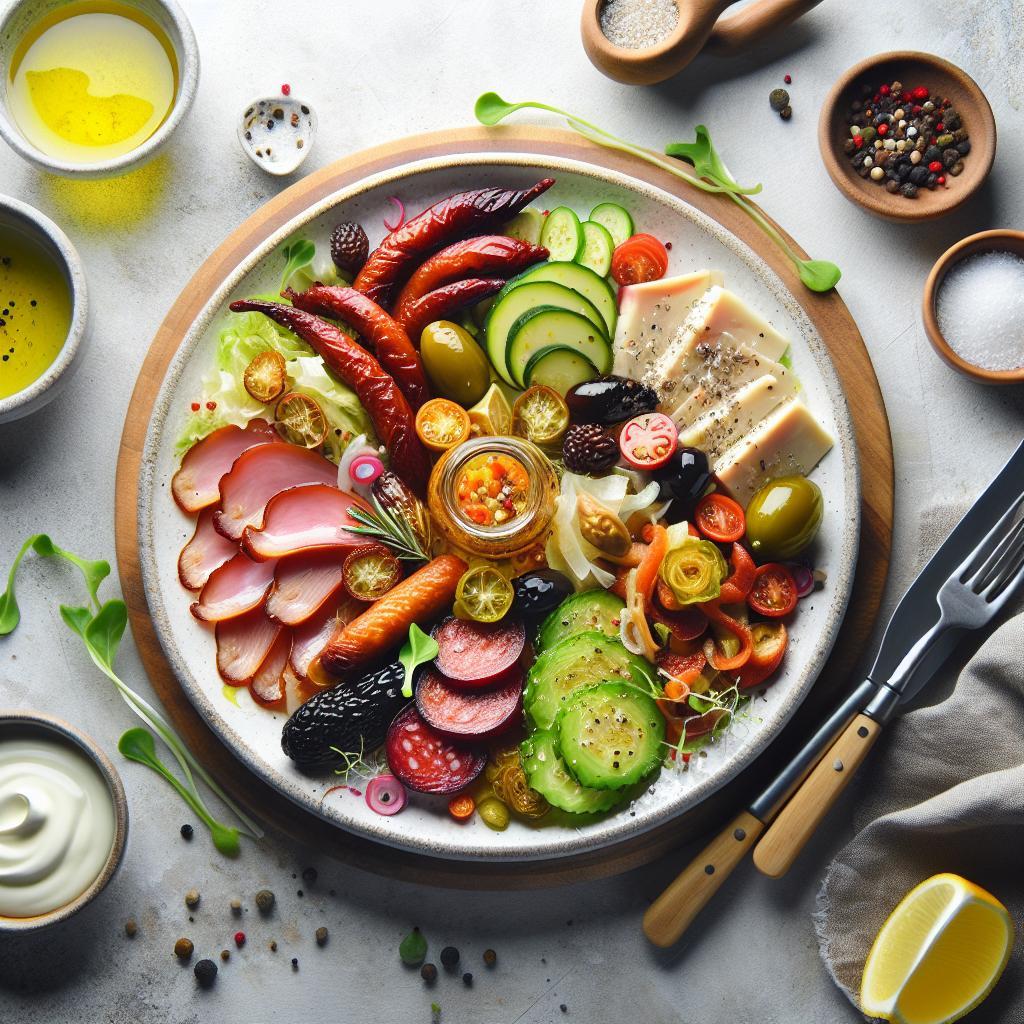

Lacto-fermentation converts simple vegetables into tangy, probiotic-rich foods by harnessing naturally occurring lactic acid bacteria. Home cooks and chefs prize the method for its layered flavors, long shelf life, and the subtle effervescence that develops as sugars become acids.
The process balances precise measurements with sensory judgment: salt ratios, temperature, and time shape texture and taste. This guide presents practical technique, a reliable sauerkraut-style recipe, safety signals, and creative serving ideas you can use right away.
- Short process: salt, pack, weight, ferment at room temperature.
- Key control points: 2% salt by weight, 18–22°C temperatures, full submersion in brine.
- Benefits: extended shelf life, probiotic value, intensified flavor.
The Magic Behind Fermentation: Understanding Lactic Acid Bacteria
Lactic acid bacteria (LAB) drive lacto-fermentation by consuming sugars and producing lactic acid, which preserves food and creates characteristic tang. For a technical overview of these microbes, consult lactic acid bacteria on Wikipedia, which summarizes species groups and metabolic roles.
Fermentation also produces minor organic acids and flavor compounds that deepen over time. For context on the broader biochemical pathway, see the general fermentation article on Wikipedia, which explains how different pathways produce acids, alcohols, or carbon dioxide.
Traditional preparations—from sauerkraut to kimchi—use similar principles: salt to inhibit undesirable microbes, submersion to exclude oxygen, and time for LAB succession. Understanding this sequence helps you adjust variables to favor crisp texture or faster acidification.
Simple Sauerkraut-Style Lacto-Fermentation Recipe
This basic recipe produces approximately four cups of finished lacto-fermented vegetables and trains your palate for more adventurous ferments. The method scales easily if you keep salt and weight ratios consistent.
Follow the steps below and then adjust aromatics, cut sizes, or fermenting time to suit your taste. The recipe emphasizes technique—massaging, packing, and maintaining brine—so results stay repeatable.
Prep and Cook Time
Prep Time: 20 minutes. Prepare clean jars and measure salt precisely to create predictable brines.
Fermentation Time: 5–14 days depending on room temperature and personal preference. Taste at day 5 and then daily until you hit your preferred tang and texture.
Yield
Makes approximately 4 cups of finished lacto-fermented vegetables when using one medium head of cabbage.
Store in the refrigerator after reaching your target acidity to slow fermentation and preserve texture for months.
Difficulty Level
Easy to Medium. The steps require attention but no specialized equipment beyond a jar and a weight.
Beginners succeed by following salt and submersion rules; experienced fermenters tweak recipes to refine nuance.
Ingredients
1 medium green cabbage (about 2 pounds), thinly sliced.
1 tablespoon sea salt (non-iodized), 2 cloves garlic minced, 1 teaspoon caraway seeds (optional), 1 small grated carrot, filtered water as needed.
Instructions
- Sanitize and prep: Clean a quart-sized glass jar and a fermentation weight. Use clean hands and utensils to limit contaminants.
- Slice and salt: Thinly slice cabbage into ribbons. Add measured salt and massage vigorously for 5–7 minutes until the cabbage releases a glossy brine.
- Add aromatics: Mix in garlic, grated carrot, and caraway. The carrot adds sweetness and visual contrast.
- Pack tightly: Transfer mixture to the jar, pressing firmly to remove air pockets and help the brine rise above the vegetables.
- Weight and cover: Use a fermentation weight to hold all solids under brine. Cover with an airlock lid or a cloth secured with a band to allow gas escape and exclude dust.
- Ferment at room temperature: Keep the jar in a cool, dark spot between 18–22°C. Press down daily and taste beginning on day 5 to monitor progress.
- Refrigerate when done: Seal and refrigerate once you achieve desired tang and texture; cold slows further acidification.
Chef’s Notes: Tips for Success
Use non-iodized salt. Iodine and anti-caking agents can interfere with LAB activity. If vegetables fail to release enough liquid, dissolve salt in filtered water and add just enough to cover fully.
Warm rooms speed fermentation but risk softer textures; cooler rooms slow fermentation and keep vegetables crisp. Experiment with herbs like dill or mustard seeds for variation.
Serving and Storage
Serve lacto-fermented vegetables as a condiment next to grilled meats, sandwiches, or cheese plates. They brighten rich dishes and add textural contrast through crunch and effervescence.
Keep finished ferments refrigerated in sealed jars. Properly prepared ferments can last months in the fridge while retaining probiotic activity; acidity and cold limit microbial change.
Nutrition and Microbiome Benefits
Lacto-fermented vegetables provide low calories, fiber, vitamin C, and live microbes that can support gut ecology when consumed regularly. The lactic acid and microbial metabolites also aid nutrient absorption in some contexts.
For readers seeking scientific background on probiotics and gut interactions, consult the general probiotic overview on Wikipedia which summarizes evidence and limitations in human studies.
| Nutrient | Per 100g |
|---|---|
| Calories | 25 kcal |
| Protein | 1.2 g |
| Carbohydrates | 5 g |
| Fat | 0.1 g |
| Fiber | 2.3 g |
| Vitamin C | 15 mg (25% DV) |
Common Questions and Troubleshooting
Fermentation can produce foam, gas bubbles, and an opaque brine—that is normal and often a sign of active microbes. Adjust salt and temperature if development is too slow or too fast.
Always taste small amounts at intervals and record your conditions; keeping a fermentation journal helps you replicate successful batches.
FAQ
What exactly is lacto-fermentation?
Lacto-fermentation is a biochemical process where lactic acid bacteria convert sugars into lactic acid, preserving food and producing tangy flavors. Species like Lactobacillus commonly drive the transformation.
Does lacto-fermentation involve dairy?
No. The prefix “lacto-” refers to lactic acid, not lactose or milk. Many vegetables and fruits ferment using LAB without dairy ingredients.
How do I control texture and sourness?
To keep vegetables crisp, ferment at slightly cooler temperatures and shorten time. For stronger sourness, increase fermentation time or warm the environment slightly while monitoring texture.
Are fermented foods safe for everyone?
Most healthy people enjoy fermented vegetables safely, but those with compromised immune systems or specific dietary restrictions should consult a clinician. High-sodium content may require moderation for people managing blood pressure.
Where can I learn more about traditional ferments?
Explore articles on traditional foods such as kimchi and sauerkraut for cultural context and recipe variations. Studying these examples helps you adapt flavors safely.
See also: lacto-fermentation