
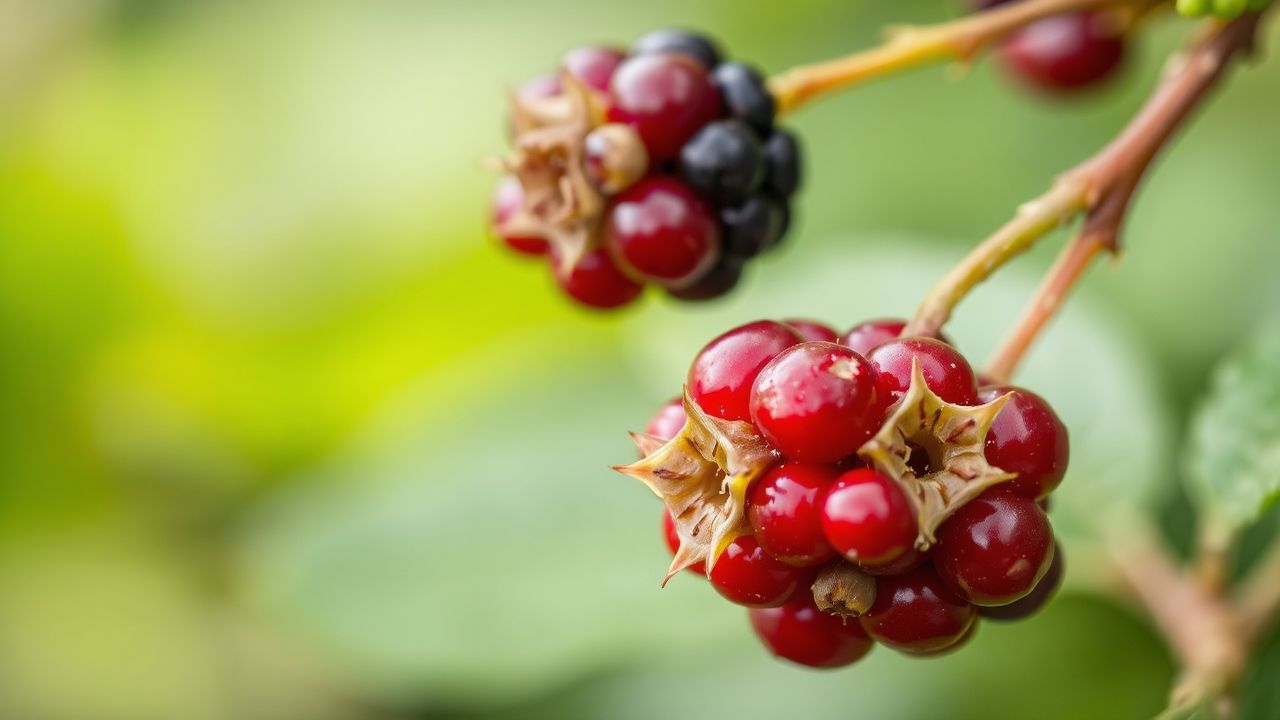

The Allure and Danger of Wild Berries
The vibrant colors of wild berries draw attention and promise a fresh bite of the outdoors. However, color and shine can mask potent plant toxins that produce rapid and serious illness.
- Learn to identify high-risk species before tasting anything outdoors.
- Watch for early gastrointestinal and neurological signs after any uncertain ingestion.
- Carry a reference and emergency contacts when foraging or hiking in berry country.
After the first bite, symptoms often guide diagnosis; some appear within minutes, while others take hours. Therefore, early recognition and a calm, methodical response improve outcomes.
Identifying Common Toxic Berries
Accurate identification reduces risk more than any guessing rule of thumb. Use plant keys, photographs, and regional guides to separate edible plants from hazardous look-alikes.
Also, carry a regional identification tool on your phone or in print; cross-check with experts when unsure. For structured guidance on plant features, consult botanical resources and field keys before sampling.
Key Toxic Berry Examples
Deadly Nightshade appears as glossy, dark berries on a plant with bell-shaped flowers; its scientific name is Atropa belladonna, and its tropane alkaloids affect the central nervous system. Clinically, expect anticholinergic signs such as dilated pupils, dry skin, and confusion.
Common holly species produce red berries that many people find decorative; see Ilex for species-level details. Holly toxins often cause nausea, vomiting, and abdominal pain, especially in children.
Pokeweed bears purple-black berries that resemble small grapes; the species Phytolacca americana contains saponins and alkaloids that can provoke severe gastrointestinal upset. Symptoms typically develop within hours and may require medical monitoring for fluid loss and electrolyte imbalance.
Bird-dispersed mistletoe has white berries that carry cardiotoxic and neuromuscular compounds; learn more at Viscum album. Effects can include bradycardia, low blood pressure, and dizziness in sensitive individuals.
General Identification Tips
Color alone does not determine safety; both edible and poisonous berries can be brightly colored. Focus instead on leaf pattern, flower shape, berry cluster structure, and seasonality when identifying plants.
Also, avoid the assumption that animals or birds can safely consume a berry. Different species tolerate different toxins, so animal behavior does not guarantee human safety.
Recognizing the Signs of Berry Poisoning
Symptoms vary with toxin type, dose, and patient factors such as age and weight. Clinicians group presentations into early gastrointestinal, neurological, and cardiopulmonary syndromes for rapid triage.
For general toxicology context, refer to standard references on poisoning and toxic reactions when reviewing clinical patterns. Rapid pattern recognition often determines whether outpatient care suffices or emergency evaluation is required.
Early Warning Symptoms
The most common early signs are gastrointestinal: nausea, vomiting, abdominal cramps, and diarrhea. Because these signs overlap with foodborne illness, always ask about recent wild-plant exposure when history suggests outdoor activity.
Neurologic early signs include dizziness, headache, excessive salivation, tingling at the mouth, and visual changes. In certain plant poisonings, patients describe a burning or numb sensation around the lips and mouth after ingestion.
Delayed and Severe Symptoms
Severe plant toxins can cause arrhythmias, seizures, respiratory depression, and altered consciousness hours after ingestion. Deadly Nightshade and similar anticholinergic plants produce delirium, hallucinations, and rapid heart rate in advanced cases.
Because delayed symptoms may mimic other medical problems, always mention suspected berry ingestion to emergency clinicians. Accurate exposure information speeds targeted treatment and reduces unnecessary testing.
Immediate Action and First Aid
When ingestion is suspected, act promptly yet calmly; panic raises heart rate and complicates symptom assessment. First steps focus on safety, symptom control, and getting professional guidance.
If severe symptoms occur—such as difficulty breathing, seizure activity, or loss of consciousness—call emergency services immediately. For less severe or uncertain exposures, contact your regional poison control resource for tailored instructions.
When to Seek Emergency Help
Call emergency services for respiratory distress, seizures, syncope, or persistent vomiting. Also seek urgent care for children or elderly patients, as smaller body mass increases toxicity risk and progression speed.
Provide responders with as much detail as possible: approximate time of ingestion, the plant type if known, number of berries eaten, and patient weight. If available, bring a sample or photo of the berry-bearing plant to the facility.
Basic First Aid Steps
Do not induce vomiting unless a poison control professional or emergency clinician instructs you to do so. Offer small sips of water to clear the mouth but avoid large volumes if the patient is drowsy, vomiting, or unable to swallow safely.
Keep the person seated and monitored; check airway, breathing, and circulation while awaiting help. If seizures or respiratory compromise occur, start basic life support according to your training and follow dispatcher or clinician directions.
Document all observed signs and the timeline of events while waiting for responders. Accurate timelines and symptom descriptions assist clinicians in selecting antidotes, supportive care, and observation intervals.
Preventing Accidental Berry Poisoning
Prevention reduces demand on emergency services and prevents needless suffering. Simple habits cut risk dramatically when you spend time in natural areas where berries grow.
Always teach children not to taste plants without adult approval and model cautious behavior during outdoor activities. Carry a compact plant guide, and when possible, forage with an experienced person until you can reliably identify species yourself.
Educate Yourself and Others
Study local toxic flora and memorize a handful of the most dangerous species in your region. Use regional extension services, horticultural societies, and vetted field guides to build practical identification skills.
Share simple, memorable rules with companions: do not pick unidentified berries, keep children supervised, and photograph unknown plants for later identification if safe to do so. For structured learning, consider a local workshop or guided foraging trip.
Safe Foraging Practices
Use multiple identification features—leaf shape, flower morphology, and berry cluster structure—before deciding a plant is edible. When doubts remain, leave the berry alone and harvest familiar, cultivated varieties instead.
For safe alternatives and cultivation advice, review in-depth guides on growing common edible shrubs like blueberries and raspberries. You can also consult internal resources such as our foraging safety guide and safe berry gardening for practical tips and local seasonality charts.
FAQ
Q1: Why should I be cautious about eating wild berries?
Many wild berries contain natural toxins that range from mildly irritating to life-threatening. Since visual cues often overlap between edible and poisonous species, identification errors are common and risky.
Q2: Which poisonous berries are most commonly mistaken for edible fruit?
Species frequently mistaken for edible fruit include Deadly Nightshade, pokeweed, and certain ornamental shrubs. Learn the regional species list and review images of leaves and fruit to reduce misidentification.
Q3: What immediate steps help if someone swallows an unknown berry?
Keep the person calm, remove remaining berries from the mouth, offer small sips of water if alert, and contact poison control or emergency services for direction. Provide photos or samples if possible to aid identification.
Q4: Can activated charcoal be given at home for berry poisoning?
Activated charcoal can bind many toxins but should only be administered under poison control or clinician instruction. Incorrect use may harm an unprotected airway, so defer to professional guidance.
Q5: How long should someone be observed after suspected berry ingestion?
Observation time depends on the suspected toxin but often ranges from several hours to overnight for delayed-onset toxins. Medical providers base monitoring duration on exposure details and initial clinical findings.
See also: berry poisoning