
Beneath a perfectly seared crust, beef stores a layered flavor architecture shaped by fat distribution, aging, and high-heat chemistry. This piece explains those mechanisms clearly and gives practical steps you can apply in every kitchen to extract deeper umami and texture from each cut.
- Understand marbling: intramuscular fat amplifies flavor and juiciness.
- Use heat smartly: Maillard reactions build savory complexity.
- Aging matters: controlled enzyme action concentrates beef character.
Overview of Beef Flavor Components
Beef flavor arises from three interacting domains: fat and intramuscular fat chemistry, protein breakdown and browning reactions, and seasoning that highlights savory notes. Each domain responds to different handling and cooking choices, so understanding them helps you target specific goals.
For example, the Maillard reaction drives crust flavor, while umami compounds amplify perceived savoriness. Meanwhile, fat carries volatile aromatics and mouthfeel that change with temperature and cooking time.
Prep and Cook Time
Plan timing to control tenderness and flavor infusion. Short, high-heat sears and longer, low-temperature roasts produce different flavor emphases; choose based on cut and desired texture.
Prep time and resting windows also alter chemistry. Resting after cooking lets juices redistribute, improving both texture and flavor intensity.
- Preparation: 20 minutes
- Marinating: 2 hours (optional)
- Cooking: 15 minutes
- Total Time: 2 hours 35 minutes
Yield and Recipe Scope
This approach targets a 2 lb ribeye and yields four portions for a family-style meal. The technique scales, but smaller steaks need shorter sear time and faster temperature control.
Adjust marinade volume proportionally and maintain similar surface-area-to-marinade ratios to keep flavor balance consistent when scaling the recipe.
Difficulty Level and Skill Focus
The method rates as medium; it assumes basic pan-searing and thermometer skills. The main challenges are timing the sear and reading doneness precisely to match intended texture.
Focus practice sessions on controlled sears and resting times. Repeated effort trains muscle memory for skillet heat and flip timing, which directly affect flavor development.
Ingredients
Ingredient choices emphasize umami enhancers, balanced acids, and aromatics that complement beef without masking it. Use high-quality, well-marbled cuts when flavor concentration matters.
Where possible, select beef labeled with clear production practices; breed and feed influence fatty acid profiles and therefore taste. For instance, grass-fed and grain-fed systems yield different flavor signatures (grass-fed beef).
- 2 lbs well-marbled beef ribeye steak (preferably dry-aged for intensified flavor)
- 3 tbsp soy sauce
- 2 tbsp extra virgin olive oil
- 1 tbsp Worcestershire sauce
- 1 tbsp aged balsamic vinegar
- 4 garlic cloves, finely minced
- 1 tsp freshly ground black pepper
- 1 tsp sea salt
- 2 tsp fresh rosemary, chopped
- 1 tsp smoked paprika
- 1 tbsp honey
- Fresh lemon zest (garnish, optional)
Instructions
Follow steps that sequence flavor extraction and texture control: build a marinade, allow enzyme-driven infusion if desired, bring meat to room temperature, then apply high-heat searing for Maillard development.
Finish by resting and slicing against the grain. Each step influences flavor intensity and mouthfeel in measurable ways.
Prepare the Marinade
In a bowl, whisk together soy sauce, olive oil, Worcestershire sauce, balsamic vinegar, minced garlic, rosemary, smoked paprika, honey, salt, and black pepper. This mix balances salt, acid, fat, and aromatics to deepen umami without overpowering.
Use just enough marinade to coat the meat surface. Too much liquid suppresses searing efficiency and weakens crust formation.
Marinate and Rest
Place the ribeye in a shallow dish and pour the marinade over, ensuring full coverage. Marinate refrigerated for at least 2 hours, ideally 4–6 hours for measured flavor infusion.
Remove meat 30 minutes before cooking and let sit at room temperature. This step promotes even internal cooking and consistent Maillard reaction across the surface.
Sear and Finish
Heat a cast-iron skillet over high heat until nearly smoking, then add a light coating of oil. Place the steak in the pan and sear 4–5 minutes per side without moving it, forming a deep brown crust that signals robust Maillard chemistry (Maillard reaction).
Check internal temperature with a probe: 130°F (54°C) for medium-rare, 140°F (60°C) for medium. Remove and rest 10 minutes for juices to redistribute, then slice against the grain into ½-inch strips.
Tips for Success
Choose cuts with clear intramuscular fat; that fat melts into the meat and carries aroma precursors that turn into flavorful volatiles during cooking. Research on intramuscular fat explains its sensory impact.
Avoid overcrowding the pan so the surface temperature stays high enough to brown efficiently. Use heavy pans when cast iron is not available to maintain heat stability.
- Choosing Beef: Opt for ribeye or striploin with visible marbling.
- Marinade Variations: Add a small amount of mushroom powder for more savory depth.
- Doneness Tip: Use a thermometer for repeatable results.
- Make-Ahead: Marinate up to 24 hours refrigerated to deepen flavors.
When you apply these tips repeatedly, your internal timing and heat control improve, and those small gains compound into consistently better steaks. Keep notes on seasoning amounts and sear times for each cut you test.
Serving Suggestions
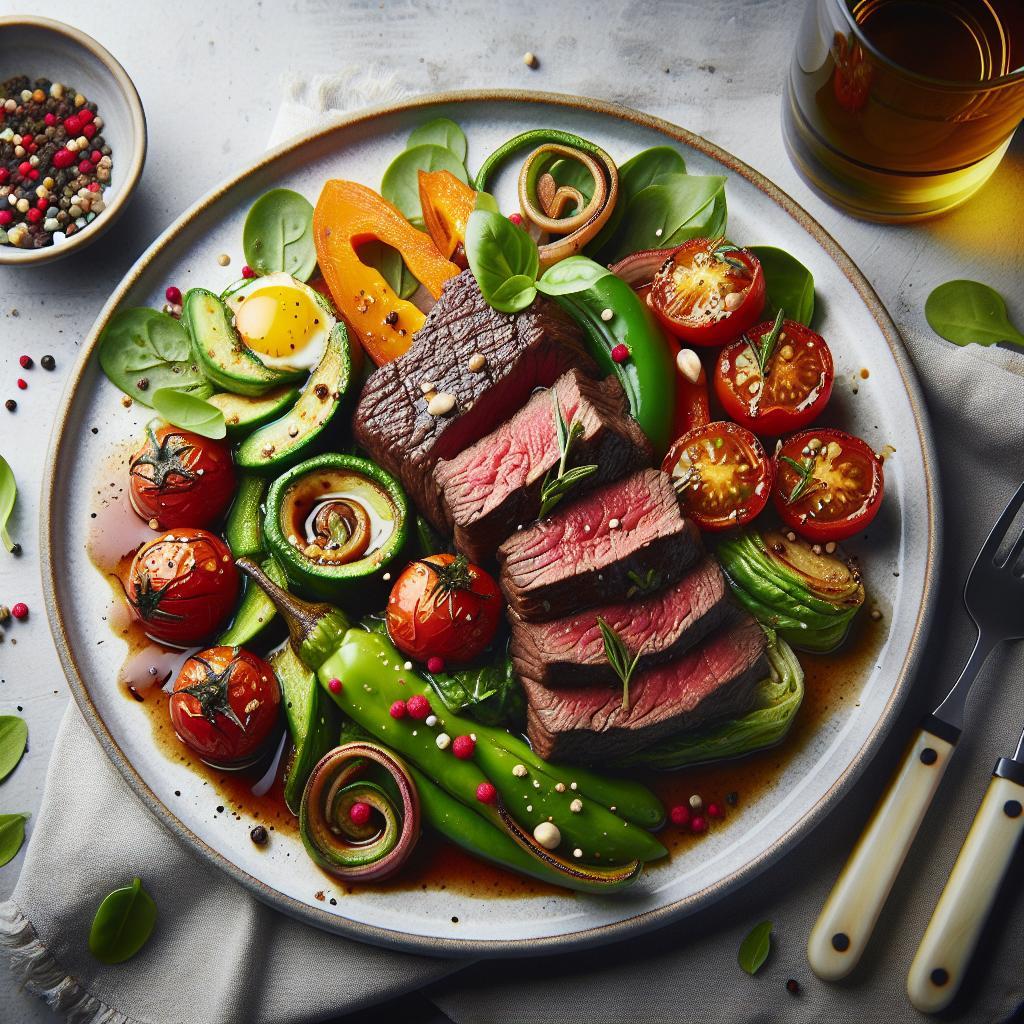
Serve with sides that contrast texture and brightness: creamy mashed potatoes, roasted root vegetables, or a peppery arugula salad all work well. Acidic elements like lemon zest or a light vinaigrette brighten the palate.
For a restaurant-style finish, spoon a reduced reserved marinade or a pan jus over sliced steak. Microgreens or fresh thyme add aromatic lift without adding heavy flavors.
Nutrition Snapshot
The dish delivers concentrated protein and fat; portion control and side selection determine overall meal balance. The table below shows typical per-serving macronutrients for a 2 lb ribeye divided by four.
| Nutrient | Per Serving |
|---|---|
| Calories | 450 kcal |
| Protein | 42 g |
| Carbohydrates | 5 g |
| Fat | 30 g |
Adjust portions and side vegetables to meet specific dietary goals. Leaner cuts reduce total fat and calories while changing the mouthfeel and requiring different cook schedules.
FAQ
The following questions address common concerns about extracting maximum flavor from beef.
What creates the deep savory flavor in seared beef?
High-temperature browning triggers complex reactions that produce hundreds of flavor compounds. These Maillard reaction products combine with dissolved amino acids to create the savory profile associated with seared beef.
How does marbling affect taste?
Intramuscular fat melts during cooking and transports flavor molecules while improving perceived juiciness. The fat also concentrates and releases aromatic compounds that shape the overall taste.
Does the animal’s diet change beef flavor?
Yes. Feed and breed influence fatty acid composition and subtle flavor notes; for instance, grass-fed beef often tastes more herbaceous, while grain-finished beef tends to taste richer and slightly sweeter.
Is aging important for flavor development?
Aging allows endogenous enzymes to break down proteins and tenderize muscle, while dry-aging also concentrates flavor through moisture loss. Both wet and dry aging have defined effects on texture and taste.
How long should I rest steak after cooking?
Resting for 5–10 minutes after cooking lets juices redistribute and improves tenderness and flavor intensity. Short rests are adequate for thinner cuts; thicker roasts benefit from longer rest times.
Wrapping Up
Beef flavor results from predictable chemical and physical processes you can control: fat distribution, enzymatic aging, seasoning balance, and targeted heat application. By managing each element, you convert good steaks into memorable ones.
Practice controlled sears, track resting times, and sample small recipe tweaks to find the flavor profile you prefer. Over time, those adjustments will yield reliably superior results.
See also: Beef Flavor