
Unlocking the Secrets of the Italian Bean: a Culinary Gem that delights taste buds with centuries of regional technique and simple chemistry. This article focuses on the culinary roles, varieties, and practical techniques that let you use Italian beans confidently in weeknight stews, salads, and spreads.
- Versatility: Italian beans adapt to soups, salads and purees without losing texture.
- Varieties matter: Cannellini and borlotti offer distinct textures and flavor profiles.
- Technique first: Proper soaking and gentle simmering deliver consistent tenderness.
- Sustainability: Beans provide high protein with low resource input compared with animal proteins.
Introduction and Culinary Context
The Italian bean sits at the intersection of flavor, history, and efficiency in the kitchen. As a dried legume, it stores well and absorbs aromatics while maintaining structure.
Across Italian regions, cooks favor specific beans for textural and flavor reasons. That regional choice informs recipes from Tuscany to Veneto and frames how you should treat each variety.
Common Italian Bean Varieties and Flavor
Cannellini beans provide a creamy, mild profile ideal for soups and purees. You can lean on that creaminess when building a rustic stew or when enriching sauces.
Borlotti beans offer a firmer bite and a subtle nutty tone, which fits salads and pasta where the legume should hold its shape. For details on these cultivars visit the Cannellini and Borlotti pages: Cannellini and Borlotti bean.
Prep and Cook Time
Preparation: 12 hours (soaking) is standard for dried beans to hydrate and reduce cooking variability. Proper hydration shortens hands-on time during simmering.
Active Cooking Time: Plan about 1 hour 30 minutes from sauté to finish for a pot-style stew that develops flavor. Time varies by bean age and size.
Yield
This recipe yields 6 generous portions, suitable for family dinners or batch-cooking for the week. Leftovers concentrate flavors and often taste better on day two.
Freeze individual portions in airtight containers for up to three months to preserve texture and flavor. Label containers with date and contents to track freshness.
Difficulty Level
Medium. The steps require attention to timing and gentle handling, but the method suits beginner cooks who follow process-driven instructions. Precise salt timing and low heat make the difference between intact beans and mush.
With a slow simmer and occasional stirring, most cooks achieve excellent results on their first attempt. Use a heavy-bottomed pot to distribute heat evenly and reduce hotspots.
Ingredients
Below is the ingredient list for a classic cannellini-based stew. Quantities scale easily for smaller or larger batches. Choose low-sodium broth to control final seasoning.
- 2 cups dried cannellini beans, soaked overnight and drained
- 1 medium onion, finely chopped
- 2 cloves garlic, minced
- 3 tablespoons extra virgin olive oil
- 1 large carrot, diced
- 2 celery stalks, diced
- 1 bay leaf
- 1 sprig fresh rosemary
- 4 cups vegetable broth (low-sodium)
- Salt and freshly cracked black pepper, to taste
- 1 teaspoon smoked paprika (optional)
- Fresh parsley, finely chopped for garnish
- Crusty artisan bread, optional for serving
Instructions
Soaking and Initial Prep
Rinse the beans under cool water and pick out any stones or split skins. Place the beans in a large bowl, cover with cold water by several inches, and let them hydrate overnight.
If you need a faster approach, use the quick-soak: bring beans and water to a boil for 2 minutes, remove from heat, cover, and let rest 1 hour. Drain and rinse before cooking.
Sautéing and Simmering
Heat the extra virgin olive oil in a large heavy-bottomed pot over medium heat. Add onion, carrot, and celery; cook until softened and translucent, about 8 minutes, stirring often to avoid color development.
Add minced garlic, bay leaf, and rosemary then cook 1 minute to bloom the aromatics. Stir in the drained beans and pour in the vegetable broth, bringing the pot to a gentle simmer.
Finishing Steps
Reduce heat to low, cover, and simmer for about 1 hour, stirring occasionally to prevent sticking. Check beans for tenderness after 50 minutes; older beans may need more time.
Remove the bay leaf and rosemary sprig, then season with salt and pepper. For a creamier body, blend about 1 cup of beans with some broth and stir back into the pot; simmer uncovered 5–10 minutes to thicken.
Tips for Success
Gentle handling preserves whole bean appearance and mouthfeel. Use a wooden spoon and low heat; boiling vigorously can split skins and create an undesirable mash.
Age affects cook time: older beans typically require a longer simmer. Store dried beans in a cool, dark place to preserve quality and predictability in cooking time.
Serving Suggestions
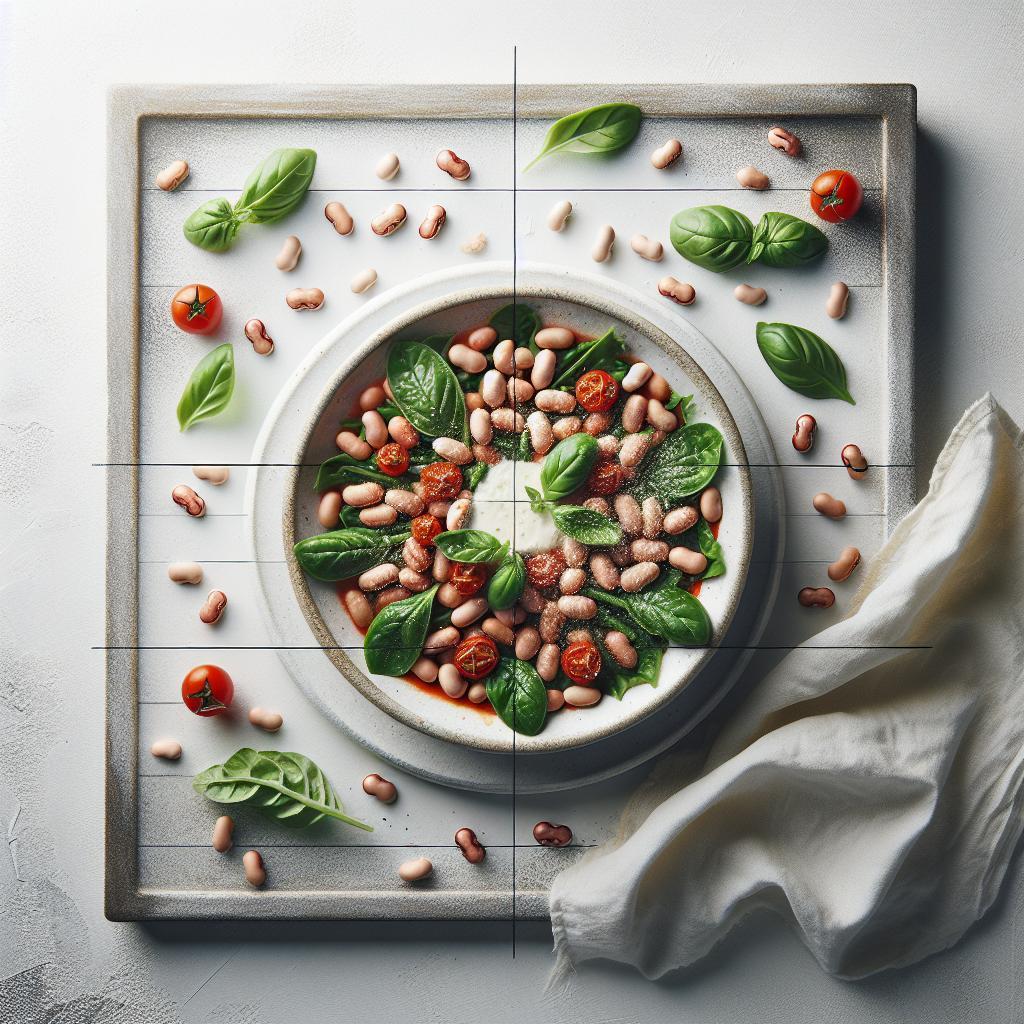
Serve the stew in warm bowls with a drizzle of extra virgin olive oil and a scattering of fresh parsley for brightness. Provide crusty bread to soak up the broth and complement the beans’ texture.
Pair with a crisp green salad dressed in lemon vinaigrette to cut the stew’s richness. Garnish with cracked black pepper and a pinch of smoked paprika for visual contrast and an aromatic lift.
Nutrition and Practical Value
Italian beans deliver plant-based protein, fiber, and minerals such as iron and magnesium. A single serving supports satiety and contributes to a balanced plate when combined with vegetables and whole grains.
The following table reflects typical macronutrient estimates per serving for a stew based on cannellini beans and vegetables. Nutrients vary with specific ingredients and portion sizes.
| Nutrient | Per Serving |
|---|---|
| Calories | 280 kcal |
| Protein | 15 g |
| Carbohydrates | 40 g |
| Fat | 7 g |
| Fiber | 11 g |
Regional Uses and Culinary Notes
Italian beans anchor many regional plates — from Tuscan zuppa to salads in the northeast. The choice of bean and technique reflects local ingredients and cooking traditions.
Use the beans as a structural element: pureed for creaminess or left whole for toothsome bite. For context on how beans fit into regional cuisine, see Italian cuisine.
Preservation and Batch Cooking
Beans freeze well when cooled quickly and stored in airtight containers. Portioning into single-meal servings shortens reheating time and retains texture better than large blocks.
Label containers with the date and reheating instructions. Reheat gently on the stove with a splash of broth to restore moisture rather than using high microwaves that can dry out the stew.

FAQ
What makes the Italian bean special for cooking?
Italian beans balance starch and protein to provide a creamy mouthfeel while holding shape under heat. They absorb aromatics and herbs, which allows cooks to layer flavors without overpowering the dish.
Their storability and nutrient density make them both practical and flavorful in traditional and modern recipes.
How do I choose between cannellini and borlotti?
Choose cannellini when you want a creamy, melting texture ideal for purees, soups, and thick stews. Cannellini smooths into sauces and adds body without strong flavor.
Pick borlotti for salads or pasta where a firmer bean and a slightly nutty flavor improve contrast. The speckled bean keeps its identity on the plate.
Can I use canned beans instead of dried?
Yes. Canned beans save time and reduce pre-planning, but they require gentler handling since they are already tender. Add canned beans late in cooking to warm without breaking them apart.
Rinse canned beans to remove excess sodium and packing liquids; then adjust seasoning after tasting. Canned beans shorten active cooking by up to 45 minutes.
Are there flavor-building techniques to elevate a simple bean stew?
Use a soffritto (finely diced onion, carrot, celery) as your flavor base and sweat until translucent to develop a savory backbone. Finish with a quality extra virgin olive oil for mouth-coating richness and aroma.
To add depth, consider toasting dried herbs briefly in oil or blending a portion of the beans into the cooking liquid to enrich texture without heavy dairy.
How do beans contribute to sustainable eating?
Beans require less land, water, and energy per gram of protein than most animal proteins, making them a climate-efficient protein source. They also fit well into plant-forward meal plans that emphasize resource-conscious choices.
Including beans regularly in meals reduces dependence on resource-intensive foods while delivering nutrients that support health and satiety.
For deeper cultivar and legume science, consult the legume reference at Legume.
Thank you for exploring this practical guide to Italian beans. Use the steps and tips here to make consistently excellent bean dishes that highlight texture, flavor, and nutritional value.
See also: Italian bean