
10 Expert Secrets to Perfectly Creamy Hummus Every Time
Perfectly creamy hummus depends less on luck and more on method. This guide breaks each step into actionable techniques so your dip achieves consistent silkiness at home.
- Soak and cook dried chickpeas for the smoothest base.
- Emulsify slowly with cold liquid to aerate and build silk.
- Pearl out optional steps—peeling and aquafaba—to reach restaurant texture.
Why texture matters and where it comes from
Texture defines the eating experience: coarse hummus feels starchy, while silky hummus rolls across the tongue. That mouthfeel depends on cell breakdown in the chickpea, oil-tahini emulsification, and trapped air from blending.
Understanding the science helps you control the result. For background on the dish’s culinary history and regional variations, see hummus on Wikipedia, which frames how technique evolved to favor smoothness.
Prep and cook time: planning for perfect texture
Timing matters. Dried chickpeas need an overnight soak and a gentle simmer to fully hydrate and break down starches. Canned chickpeas save time, but they usually yield a slightly less velvety base unless you compensate with extra emulsification.
Allow at least two hours from start to finish when using dried beans; this includes soaking, simmering, cooling, and blending. Below is a practical schedule to follow so each step has the time it needs.
Practical timing checklist
Soak dried chickpeas for 8–12 hours in plenty of water; this relaxes the cell walls before cooking. Simmer until tender; test by pressing a chickpea between your fingers—no grainy resistance should remain.
If you choose canned, rinse thoroughly and warm slightly before blending to loosen starches. Warmth and agitation help break down solids faster when processing.
Ingredients and what each contributes
Every ingredient plays a mechanical or flavor role. Chickpeas form structure, tahini supplies fat and silk, lemon and garlic add brightness, and olive oil smooths and seals the emulsion. Treat each as a tool, not just a flavor hit.
For botanical context on the legume at the center of the recipe, consult chickpea. For sesame paste background see tahini.
Ingredient proportions and swaps
Use about 1 cup dried chickpeas (yields roughly 2 cups cooked) with 1/3 cup tahini as a starting ratio. Adjust lemon, garlic, and salt to taste; these shape perceived creaminess by brightening and masking dryness.
Aquafaba—the cooking liquid—acts as an emulsifier and can replace cold water for richer mouthfeel. If you prefer a lighter profile, use chilled water and add oil more gradually.
Technique: blending, emulsifying, and final texture tweaks
Technique separates good from great hummus. Process in stages: pulse to break down solids, then run the motor while slowly adding liquid to build an emulsion. This controlled addition traps tiny air bubbles that translate to silkiness.
Use cold liquid sparingly to avoid thinning the batter. The goal is aeration, not dilution; add water an ounce at a time while watching body and gloss.
Peeling chickpeas and processing sequence
Removing skins is optional but effective for ultra-smooth purées. Pinch skins from a handful of cooked beans and blend them in—this small extra step eliminates tiny fibrous anchors that create grit.
Start with chickpeas, tahini, lemon, and garlic to build a stable paste. Then add salt and optional cumin, and finish by drizzling in cold water or aquafaba while the processor runs.
Emulsification and oil integration
Olive oil adds gloss and richness but does not replace slow emulsification. Add oil in a thin stream at the end, or fold it in after blending to keep the surface glossy and the body intact.
A high-powered food processor reduces blend time and minimizes heat build-up that can change flavor. If your motor strains, pause, scrape, and resume to protect texture.
Tips for success: troubleshooting and consistency
When hummus turns gritty, extend processing in 15–30 second bursts while scraping the bowl. Often, grit reflects incomplete breakdown, not a bad recipe. Patience and the right tool fix most issues.
Salt early and taste repeatedly. Salt draws flavors forward and reveals needed adjustments in lemon or garlic; seasoning affects perceived creaminess as much as texture does.
Common fixes and quick wins
If the dip is too thick, add aquafaba or cold water a teaspoon at a time and reprocess. If thin, slow the liquid and add a spoonful of tahini to rebuild body without losing emulsion.
Store hummus with a thin layer of olive oil on the surface to prevent drying and oxidation. Chill in an airtight container; flavors meld and texture relaxes, often improving after a few hours.
Creative serving suggestions
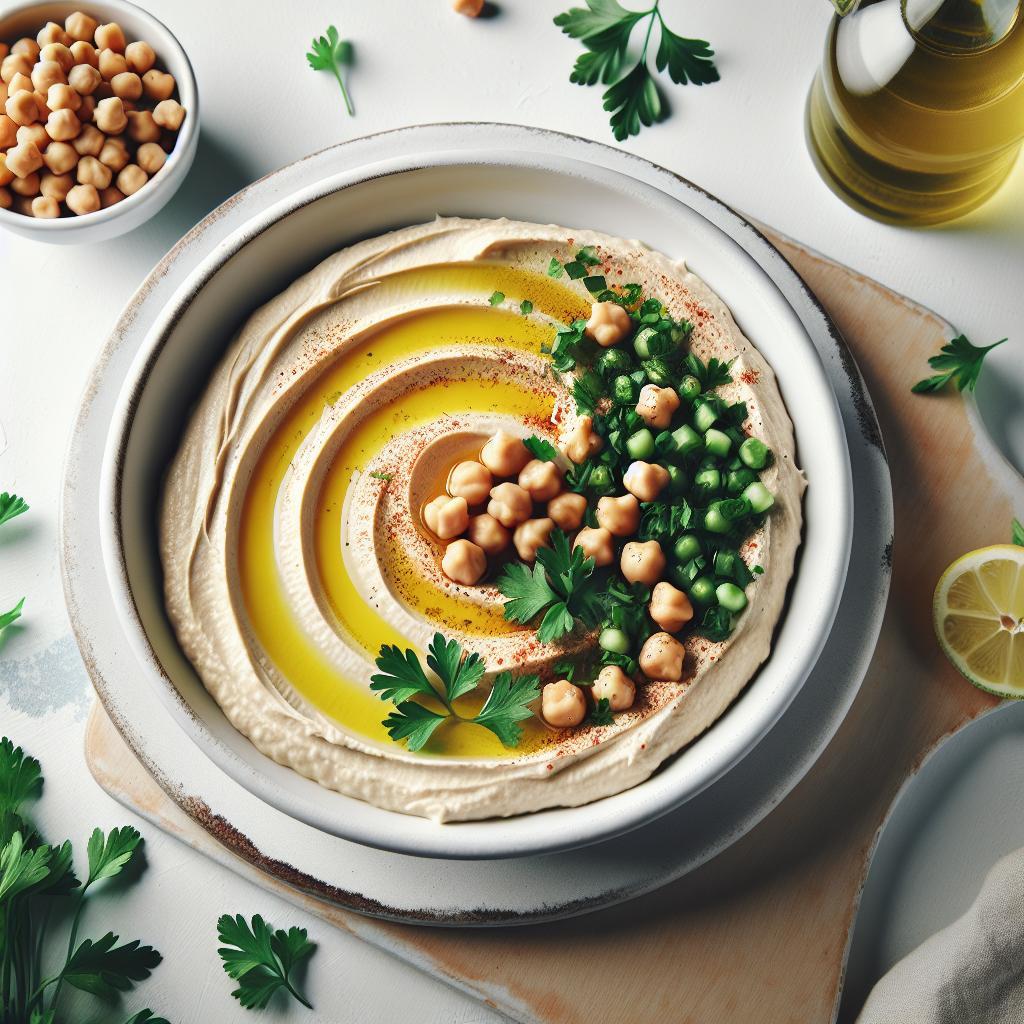
Presentation enhances the perception of creaminess. Create a shallow well with the back of a spoon and pour extra-virgin olive oil into it; the sheen signals silk before a single bite.
Combine textures: top creamy hummus with toasted nuts, za’atar, or roasted chickpeas to provide contrast. A contrast makes the base feel even smoother by comparison.
- Classic: Warm pita, a drizzle of oil, paprika, and parsley.
- Crunch contrast: Toasted pine nuts or crispy chickpeas.
- Use as spread: Slather on sandwiches or grain bowls for moisture and flavor.
Nutrition snapshot and portioning
Hummus provides plant protein, fiber, and healthy fats, with an average serving around 140–160 kcal depending on oil and tahini. Portioning helps manage calories while delivering satisfying satiety.
For label-style context, a standard 2-tablespoon serving supplies protein and healthy monosaturated fats; adjust serving size to match meal patterns and dietary needs.
FAQ
How do I get hummus ultra-smooth like restaurants?
Process longer in short intervals, remove skins if you can, and use aquafaba or cold water slowly to aerate. A high-speed processor shortens time and yields a finer structure.
Can I use canned chickpeas and still get creamy hummus?
Yes. Rinse well, warm slightly, and if texture lags, add aquafaba and blend longer. Canned beans will never quite match very soft home-cooked chickpeas but can produce excellent results with technique.
What does tahini quality change in the final dip?
High-quality, smooth tahini gives a creamier mouthfeel and avoids bitterness. Stir natural tahini well before measuring to reincorporate separated oils into the paste.
Is peeling chickpeas necessary?
No, but it helps. Peeling removes tiny fibrous skins that scatter light and create perceived grit. If you seek perfection, set aside 10–15 minutes to skin a portion of the beans.
How should I store homemade hummus?
Refrigerate in an airtight container with a light olive oil seal on top. Properly stored, flavors meld and the hummus remains fresh for up to 4 days; freezing is possible for longer storage but may change texture.
These processes and choices will consistently push your hummus toward that luscious, spoonable ideal. Apply the methods above, and refine by tasting—texture and balance respond to small, smart adjustments.
For deeper context on olive oil as an ingredient, review olive oil information. To explore variations of garlic and its culinary uses, see garlic.
See also: Hummus