
When Mint Jelly Tastes Like Grass: What’s Going On?
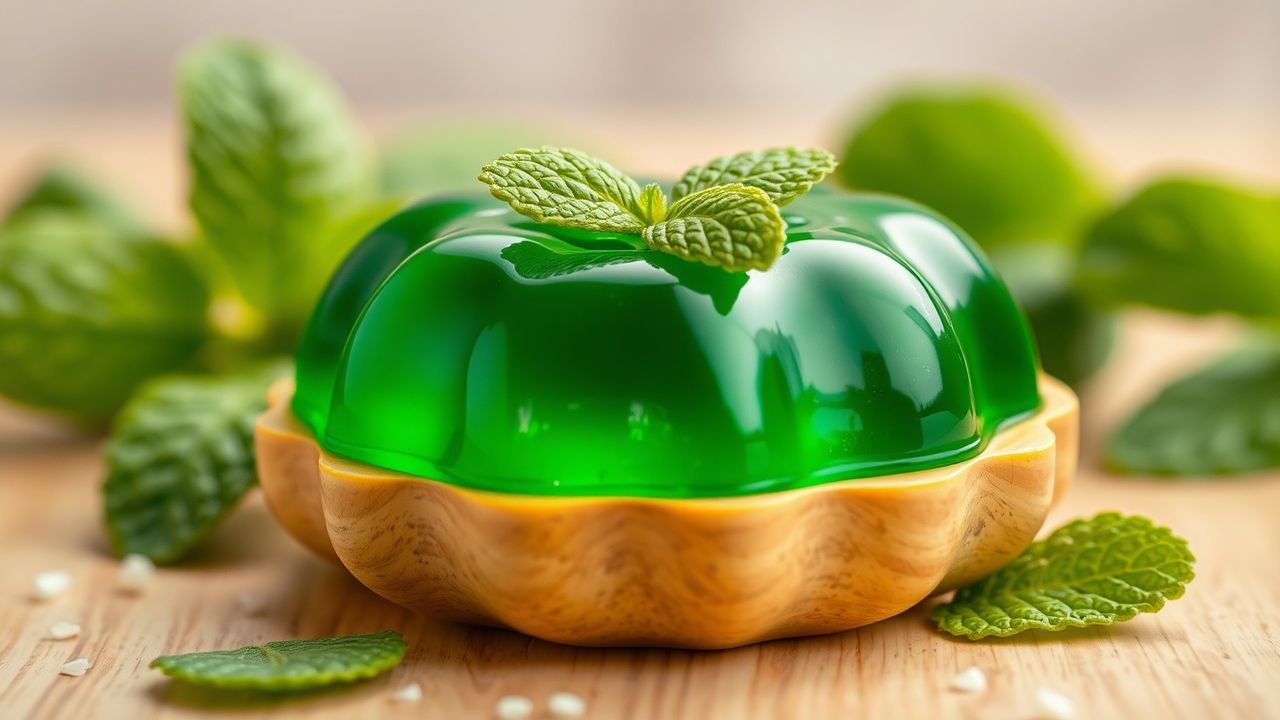
You spoon a glossy, emerald dollop of mint jelly onto roast lamb and expect bright, cooling mint. Instead, you get a green, grassy bite that surprises the palate. That shift from sweet mint to meadow-like herbaceousness has clear causes and straightforward solutions.
- Fresh mint chemistry can push chlorophyll and tannins into the jelly.
- Processing choices — steeping, boiling or using stems — change the flavor profile.
- Simple fixes include adjusting acid, sugar, or technique to rebalance aroma.
- Storage and variety both influence whether jelly stays bright or turns grassy.
Understanding the Flavor Shift: Exploring Why Mint Jelly Sometimes Tastes Like Grass
The green, grassy note in mint jelly comes from plant compounds that are not the mint oil you expect. When you extract flavor from the leaf, you also extract chlorophyll and phenolics that read as green or bitter.
Moreover, those compounds interact with sugar and pectin during cooking and cooling, which alters how the aroma reaches your nose. Therefore, small changes in technique change the final flavor noticeably.
Chemistry: Mint Oils, Chlorophyll and Tannins
Mint’s characteristic coolness comes from volatile terpenes and menthol-rich oils. When you disturb the leaf cell structure too much, you release chlorophyll and tannins alongside those oils.
For readers who want references, see Mentha on Wikipedia for mint chemistry and chlorophyll for why green pigments taste vegetal. These compounds explain the grassy sensation.
How Heat and Time Shift Flavors
Heat drives out volatile oil and exposes heavier, green compounds. Consequently, prolonged boiling or blending leaves a more herbaceous result than a brief steep.
Thus, the way you heat mint matters. Gentle infusion preserves menthol and floral esters, while extended simmering emphasizes plant ‘green’ flavors and tannins.
The Role of Freshness and Ingredients: How Quality Impacts Mint Jelly’s Taste
Freshness affects both aroma and perceived sweetness. Older mint and leaves with stems have higher levels of chlorophyll and bitter tannins.
Likewise, ingredient purity — sugar type, lemon acid, and water quality — alters the balance and clarity of flavor. Small differences become obvious in a simple jelly.
Mint Variety and Harvest Timing
Spearmint and peppermint differ in terpene ratios; spearmint reads sweeter while peppermint reads stronger and cooler. Picking young, tender leaves reduces the green edge.
For background on plant varieties and cultivation, consult Mentha. Choosing the right cultivar makes a measurable difference.
Ingredient Quality: Acid, Sugar and Pectin
Acid brightens flavor and lifts volatile mint top-notes. Sugar balances bitterness. Meanwhile, pectin sets texture but can dull aroma if overused.
For technical context on gelling agents, see Pectin. Adjusting lemon juice or sugar restores aroma balance without masking mint entirely.
Tips for Choosing and Storing Mint Jelly: Ensuring the Perfect Minty Experience
Choose products or make jelly with explicit mention of fresh mint extract or whole-leaf infusions. Avoid jars that list only generic “natural flavors”.
After opening, refrigeration slows chemical changes that push the taste toward grassy. Always reseal tightly and follow best-before guidance on the jar.
Label Reading and Brand Signals
Look for clear ingredient lists: fresh mint, lemon, sugar, and pectin. Brands that cite fresh extract usually indicate better aroma retention.
Also, inspect color and translucency. Bright, translucent green suggests a clean extraction; murky or brown-tinged jelly often tastes flatter or more vegetal.
Storage Practices That Preserve Aroma
Store opened jars in the refrigerator and use within a month for peak brightness. Longer storage increases the chance of green or stale notes developing.
If you make homemade jelly, keep unopened jars in a cool, dark place and refrigerate after opening. For more on shelf-life, see Food preservation.
Practical Fixes and Recipe Adjustments
You can rescue a grassy batch without starting over. Small additions and technique shifts restore the balance between mint oil and green plant notes.
The following adjustments work whether you buy commercial jelly or make your own. They help recover the bright, cooling mint flavor most palates expect.
Quick Kitchen Fixes
Add a squeeze of fresh lemon juice to brighten volatile aromatics. Also, a touch more sugar can round out tannic edges without making the jelly cloying.
Alternatively, blend a small batch of fresh spearmint oil or extract into a spoonful of jelly and whisk to combine. Start small, taste, and stop once the mint reads right.
When cooking, avoid boiling leaves directly for long periods. Instead, steep off-heat and strain. That trade-off keeps aroma and reduces green bitterness.
Recipe Technique: Steep, Strain, and Gentle Heat
Steep chopped leaves in hot water, then strain through cheesecloth. Next, dissolve sugar in the infusion and bring to a brief full boil only after adding pectin.
This sequence minimizes the time leaves sit in hot liquid and prevents excessive chlorophyll and tannin leaching. It also secures a clearer, brighter jelly.
Recipe: Homemade Mint Jelly (Easy Method)
This recipe favors infusion over boiling and uses standard liquid pectin. It yields a clear, mint-forward jelly when you follow the timing and strain carefully.
Keep each step short and avoid crushing leaves during straining. That reduces unwanted green extraction and keeps the flavor focused on mint oil.
Prep and Cook Time
Preparation: 15 minutes. Prepare leaves and equipment. Aim for short contact time between heat and plant matter.
Cooking: 20 minutes. Bring the sweetened infusion to a rolling boil only briefly after pectin addition. Then cool quickly.
Yield
Approximately 2 cups (serves 6–8). Use smaller jars for faster cooling and less wasted product if you want to test adjustments.
Seal jars hot for shelf stability if you plan to store unopened. Refrigerate after opening and use within four weeks for best aroma.
Difficulty Level
Easy to Medium. The method is forgiving but demands attention to steeping time and heat control to prevent grassy notes.
Practice makes consistent results. Keep notes on leaf age and variety for future batches.
Ingredients
- 2 cups fresh mint leaves, washed and finely chopped
- 1 ½ cups water
- 2 cups granulated sugar
- 2 tablespoons fresh lemon juice
- 1 pouch (3 oz) liquid fruit pectin
Use young leaves and avoid stems. If you must use dried mint, halve the quantity because dried herbs concentrate flavor.
For troubleshooting on gelling, review the pectin package instructions and adjust sugar as indicated for a firmer set.
Instructions
- Simmer the Mint: Combine chopped mint leaves and water in a saucepan. Heat until just below a boil, remove from heat, and steep covered for 30 minutes.
- Strain the Mixture: Press the infusion through cheesecloth into a clean pan. Avoid squeezing solids hard to reduce chlorophyll transfer.
- Cook the Base: Return liquid to the pan, add sugar and lemon juice, and stir until sugar dissolves. Heat gently for about 5 minutes.
- Add Pectin: Stir in liquid pectin and bring to a full rolling boil. Boil exactly 1 minute while stirring constantly to activate thickening.
- Jar the Jelly: Skim foam, pour hot jelly into sterilized jars leaving ¼ inch headspace, and seal immediately.
- Cool and Store: Let jars cool at room temperature, then refrigerate once opened and use within 4 weeks for peak flavor.
Avoid crushing leaves when straining and do not reheat the strained solids. Those actions push unwanted green compounds into the jelly.
If the jelly still tastes grassy, consider adding ½ teaspoon of lemon zest or a small pinch of citric acid per cup to lift top notes without oversweetening.
Chef’s Notes
Substitution: When fresh mint is unavailable, use high-quality dried mint at half the fresh amount. Re-test steeping time.
Troubleshooting: Never boil fresh mint leaves directly. Instead, steep then strain. For a clearer finish, filter the liquid a second time.
Make-ahead jars stay stable when sealed properly. Store unopened jars in a cool, dark place and label with the date.
Serving Suggestions
Spread mint jelly over roasted lamb or sharp cheeses to contrast richness with bright herbal sweetness. You can also mix a spoonful into yogurt or vinaigrette for layered flavor.
Glaze vegetables or brush onto grilled meats near the end of cooking to maintain aromatics. The grassy edge can work in savory contexts as a complex note.
Explore related recipes via internal guides: Explore additional recipes and storage best practices for more ideas and techniques.
Q&A
Q: Why does my mint jelly taste like grass instead of minty sweetness?
A: The grassy flavor usually stems from chlorophyll and tannins released during extraction. When those compounds dominate, they mask the volatile mint oils you expect.
Gentle infusion and careful straining preserve menthol and esters, reducing the green impression.
Q: Is grassy mint jelly safe to eat, or has it gone bad?
A: Grassy flavor alone typically signals imbalance, not spoilage. However, check for mold, off-smells, or bulging lids to confirm safety.
If in doubt, discard the product. Food safety overrides salvaging flavor.
Q: How does mint variety affect the flavor of mint jelly?
A: Different Mentha species show varied terpene profiles; spearmint tends sweeter while peppermint delivers a sharper menthol punch. Choose variety to match your flavor goal.
See Mentha for cultivar differences and selection guidance.
Q: Could the preparation method cause this grassy taste?
A: Yes. Over-steeping, boiling leaves too long, or including stems increases green compounds in the final product. Steep instead and strain promptly.
Small technique changes produce a big difference in aroma and overall flavor balance.
Q: How can I prevent my mint jelly from tasting like grass in future batches?
A: Use young leaves without stems, steep instead of boil, strain carefully, and balance with lemon and sugar. Adjust pectin to avoid dulling aroma.
Keep notes on leaf age, variety, and steep time to reproduce the best results consistently.
For a technical primer on jelly definitions and confectionery context, consult Jelly (confectionery).
See also: mint jelly