
Whisk sauces shows how to create truly silky sauces by hand using controlled emulsification, precise temperature management, and a steady wrist. You will learn seven practical steps that deliver hollandaise-style emulsions without any electric processing.
- Hand-emulsified whisk sauces achieve glossy textures with temperature control and gradual fat addition.
- Small adjustments in butter temperature and whisk cadence rescue or refine texture quickly.
- A quality whisk and the right bowl size make consistent results repeatable.
- Rescue techniques let you recover a broken emulsion without waste.
Whisk sauces overview
Hand-whisking creates emulsions by dispersing fat into a continuous aqueous phase so droplets remain suspended. This process depends on droplet size, surface tension, and an emulsifier such as egg yolk lecithin; see emulsion for the core science.
When you practice whisk sauces, you control three variables: fat temperature, addition rate, and whisking rhythm. These variables decide whether the sauce becomes glossy and stable or separates into oil and liquid.
Prep and cook time for whisk sauces
Plan focused, uninterrupted timing. The active whisking window usually runs 10–15 minutes once ingredients and tools are ready.
Set mise en place: bring egg yolks to room temperature, keep butter warm but not hot, and position a shallow bowl or pot so your wrist has clearance. Simple prep halves the number of surprises during whisk sauces work.
Yield and difficulty for whisk sauces
A standard batch yields enough sauce for four servings and finishes proteins or vegetables with a bright sheen. Technique rates medium: you need steady hands and attention to heat.
Repeated practice converts conscious steps into muscle memory. Track butter temperature and addition rate in a notebook so successful trials become reproducible when you make whisk sauces again.
Ingredients for whisk sauces
Use fresh egg yolks at room temperature and warm clarified or melted butter for consistent incorporation. The yolk supplies lecithin that stabilizes droplets; read about egg yolk composition to understand why.
Standard ingredient list below balances richness with stability. If you plan to scale, preserve the yolk-to-fat ratio to retain the same droplet volume distribution when you whisk sauces.
- 3 egg yolks, at room temperature
- 1 tablespoon Dijon mustard
- 1 tablespoon white wine vinegar
- 1 cup unsalted butter, melted and warm
- Salt to taste
- White pepper, freshly ground, to taste
- Fresh lemon juice (optional, a few drops)
Instructions for whisk sauces
Break the process into phases: base mixing, controlled fat addition, temperature management, and finishing. Treat each phase as a short, repeatable task rather than one continuous effort.
Work in a medium bowl that gives wrist clearance and room to whisk. If you need indirect heat, use a shallow double-boiler setup; review the double boiler principle to avoid direct scorching.
1. Prepare the base
Whisk the egg yolks, Dijon mustard, and white wine vinegar until the mixture lightens and gains slight body. This step forms the protein and lecithin matrix that will suspend butter droplets.
Use short, brisk strokes with a balloon whisk for initial lift. Proper base structure reduces the risk of early separation when you add fat in the next phase of whisk sauces.
2. Emulsify by hand
Start by adding a few drops of warm melted butter while whisking constantly, then move to a thin, steady stream. Keep movements rhythmic so fat droplets shear into small, stable sizes.
If the mixture thickens too fast, pause and whisk gently; if it stays thin, add butter in finer streams. Practical feedback during whisk sauces tells you whether to accelerate or slow the addition rate.
3. Maintain temperature and finish
Work over very low indirect heat or in a warm room to keep the mixture fluid without cooking the eggs. Moderate warmth helps the emulsion marry and remain glossy while you complete whisk sauces.
When all butter is incorporated, season with salt, white pepper, and lemon juice to taste. The finished sauce should coat the back of a spoon and show a uniform sheen.
4. Troubleshooting a broken sauce
If the sauce separates, rescue it by whisking a teaspoon of warm water into a clean bowl and very slowly whisking the broken sauce into that water. Small volumes of water re-establish the continuous phase and reduce droplet crowding.
For persistent separation, start with a fresh yolk and incorporate the broken sauce slowly into the fresh base. These rescue steps recover batches and are essential when you practice whisk sauces at scale.
Clarified butter reduces variables during the critical fat-addition phase. If you prefer whole butter for flavor, keep it warm and strain any foam before you begin to minimize sudden temperature drops while you whisk sauces.
Maintain a low-heat buffer when you use a double-boiler. Rapid heat spikes denature proteins in the yolk and produce grainy textures rather than the satin-smooth finish you aim for with proper whisk sauces.
Tips for success with whisk sauces
Small technique details make a large difference: room-temperature eggs, warm (not hot) butter, and a comfortable whisk grip improve control. These tiny wins add up to predictable results when you make whisk sauces often.
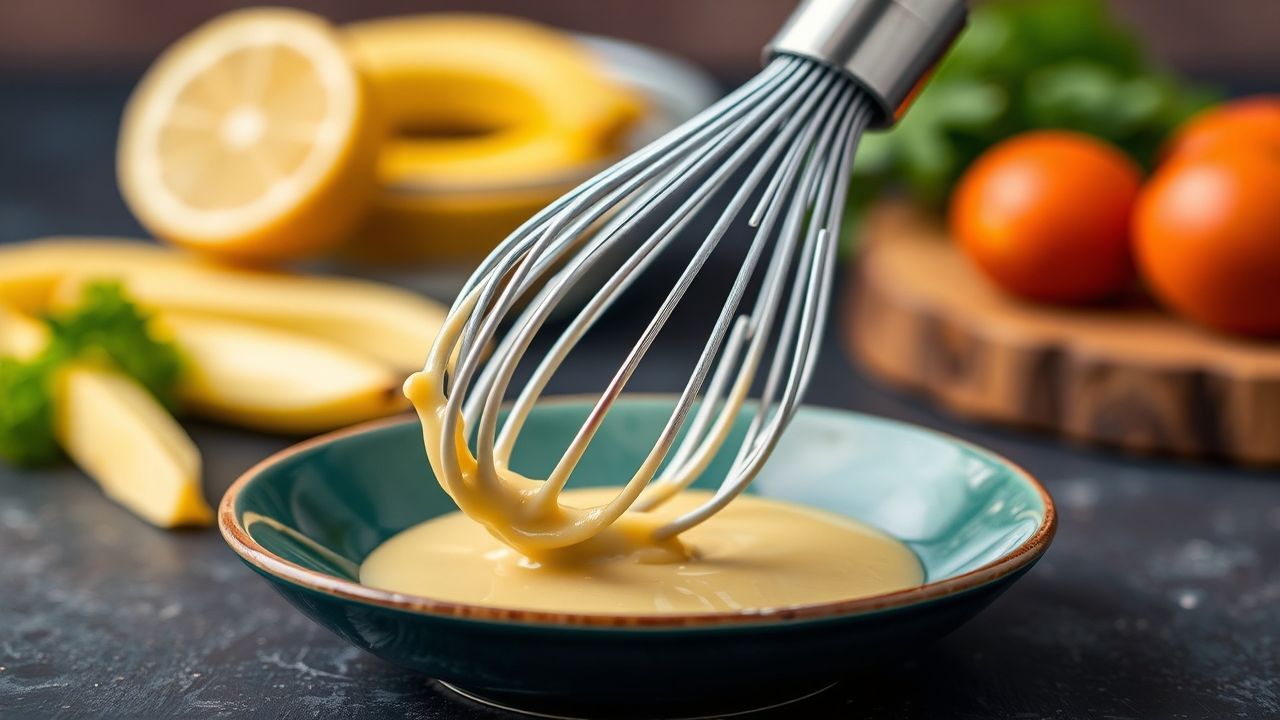
Choose your whisk to match the task: a balloon whisk for aeration, a flat whisk for pan scraping. Learn what each wire pattern does and match it to the texture you want when you prepare whisk sauces.
Serving suggestions for whisk sauces
Serve immediately for peak gloss and texture; whisk sauces lose structure as they cool. Rewarm briefly over low indirect heat while whisking if needed, and serve within a short window.
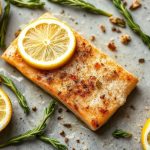
Use this technique to finish grilled asparagus, pan-seared fish, or roasted chicken for a luxe finish. For traditional pairings, apply this method to sauces in the family of Hollandaise sauce and derivative compound sauces.
Nutritional information for whisk sauces (per serving)
These sauces are fat-forward because of butter and egg yolks; account for portion control when pairing with sides. Use clarified butter or partial substitutions to alter the nutrient profile with minimal texture loss.
Estimate values below as a guideline; exact totals depend on ingredient brands and portion size. Modify serving sizes if you need lower calories while retaining the essential emulsion technique that defines whisk sauces.
| Calories | Protein | Carbs | Fat |
|---|---|---|---|
| 340 kcal | 5 g | 1 g | 36 g |
Practice and variations for whisk sauces
Practice builds muscle memory. Time short, focused sessions to refine rhythm, and keep notes on butter temperature and addition rate so you can replicate successes.
Try small variations: swap a portion of butter for clarified butter for a leaner sheen, or add fresh herbs after the emulsion forms to preserve brightness. Such controlled experiments expand your practical command of whisk sauces.
FAQ
Q1: Why whisk by hand instead of using a blender?
Hand-whisking gives direct control over droplet size and temperature, which affects mouthfeel and sheen. You avoid over-aeration that can thicken or dull the finish.
Blenders work quickly but sometimes create an overly dense texture. Manual whisk sauces maintain a fluid, glossy character when performed properly.
Q2: What is the best whisk for this technique?
Choose a whisk that feels balanced and matches the task. A balloon whisk excels at initial aeration and emulsification, while a flat whisk helps scrape pan edges and control droplet distribution.
Study whisk design in practical terms; the whisk (cookware) article explains wire patterns and use cases that inform tool selection for whisk sauces.
Q3: How do I know when the sauce is ready?
The correct finish will coat the back of a spoon and show a uniform sheen without streaks of oil. Texturally, it should feel silky and slightly thickened yet remain pourable.
Test by dragging a finger across the spoon back; the sauce should leave a clean trail rather than reflowing instantly. Use this tactile test as a repeatable checkpoint when preparing whisk sauces.
Q4: Can I use whole eggs instead of yolks?
Whole eggs can work in some emulsions but change flavor, color, and stability because egg whites contain different proteins. Classic hollandaise-style whisk sauces rely on yolk lecithin for strength and mouthfeel.
For recipes that call for the richness of yolks, stick to yolks or follow a tested whole-egg variant that adjusts ratios and heat control accordingly.
Q5: What if my sauce cools and thickens too much?
Gently rewarm the sauce over a low double-boiler while whisking, or add a teaspoon of warm water and whisk to re-loosen the texture. Maintain low heat to avoid cooking the eggs.
For persistent firmness, briefly whisk in a warm neutral liquid and serve soon after. Prolonged reheating risks separation, so keep rewarm cycles short when you handle whisk sauces.
With focused attention to temperature, fat-addition rate, and whisk choice, you will produce glossy, hand-emulsified whisk sauces reliably. Practice the seven steps until the rhythm becomes automatic.
See also: Whisk sauces: related guides and Hollandaise techniques
See also: Whisk sauces